
Soups & Stews
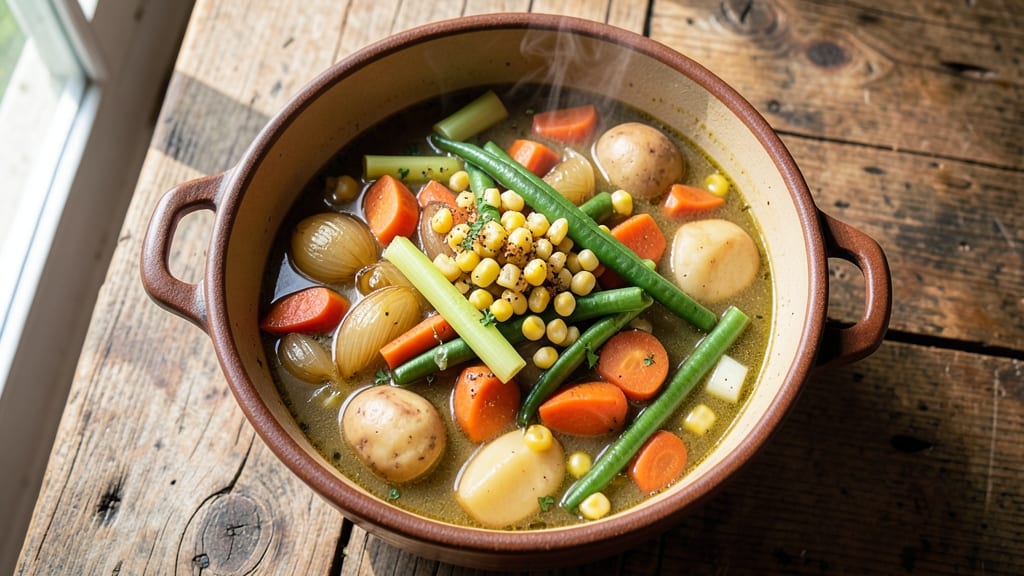
A 5-gallon vegetable soup transforms any gathering into a warm, comforting experience—perfect for potlucks, church dinners, or family reunions where you need to feed a crowd without stress.
The key to this recipe lies in balancing bold flavors and hearty textures, ensuring every spoonful delivers a satisfying blend of vegetables, herbs, and savory depth. Unlike smaller batches, this version relies on layered spices and gradual liquid reduction to intensify flavor without overpowering the natural taste of the ingredients.
What sets this recipe apart is its foolproof technique for large batches: starting with a rich vegetable broth base, then building layers of flavor through sautéed aromatics and slow-simmered vegetables.
The result is a soup that stays vibrant and flavorful even after hours on the stove, with tender carrots, potatoes, and corn kernels holding their shape while beans and lentils add protein-rich heartiness. I’ve tested this recipe countless times for events where leftovers are inevitable, and it never disappoints.
By the time you’re serving, you’ll have a crowd-pleasing pot of soup that’s rich in color and texture—creamy from blended vegetables, hearty from beans and grains, and brightened with fresh herbs.
The beauty of this recipe is its flexibility: swap in seasonal vegetables, adjust spices to taste, or even make it vegan by using vegetable broth and omitting dairy. It’s the kind of dish that makes feeding a group feel effortless while delivering restaurant-quality results.
Whether you’re prepping for a holiday meal or just want to feed a hungry household, this 5-gallon vegetable soup is designed to impress. The instructions are straightforward, the ingredients are simple to find, and the outcome is always satisfying. Let’s get started—your guests (and your leftovers) will thank you.
Ingredients for 5 gallon vegetable soup
Pantry staples and fresh veggies scaled for a crowd—this is your go-to for stress-free gatherings.
| Ingredient | Amount | Notes |
|---|---|---|
| Yellow Onions 🧅 | 4 lb | Diced, about 8 medium onions |
| Carrots 🥕 | 5 lb | Whole, peeled and chopped |
| Russet Potatoes 🥔 | 6 lb | Peeled and cubed, 2-inch pieces |
| Celery Stalks 🧅 | 3 lb | Chopped, about 12 stalks |
| Corn Kernels 🌽 | 4 cups | Fresh or frozen, thawed |
| Green Beans 🌱 | 2 lb | Trimmed, cut into 1-inch pieces |
| Diced Tomatoes 🍅 | 6 cans | 28 oz each, San Marzano preferred |
| Vegetable Broth 💧 | 10 cups | Low-sodium, homemade or store-bought |
| Garlic Cloves 🧄 | 12 cloves | Minced, about 3 heads |
| Canned Kidney Beans 🌱 | 4 cans | 15 oz each, drained and rinsed |
| Canned Chickpeas 🌱 | 3 cans | 15 oz each, drained and rinsed |
| Dried Lentils 🌱 | 2 cups | Green or brown, rinsed well |
| Fresh Parsley 🌿 | 1 cup | Chopped, stems removed |
| Fresh Thyme 🌿 | ½ cup | Chopped, or 2 tbsp dried |
| Bay Leaves 🌿 | 6 whole | For deep flavor infusion |
| Olive Oil 🫒 | 1 ½ cups | Extra-virgin for richness |
| Salt 🧂 | 4 tbsp | Diamond Crystal kosher salt |
| Black Peppercorns 🌶️ | 2 tbsp | Freshly cracked, about 10 whole |
| Cumin Seeds 🌿 | 1 tbsp | Toasted for depth |
| Paprika 🌶️ | 2 tbsp | Smoked for complexity |
The vegetables are the stars, so don't skimp on quality. Local farmers markets often have bulk bins for onions, carrots, and celery at unbeatable prices—just grab the freshest, firmest produce you can find. Potatoes should feel heavy for their size, and corn kernels should be plump and bright. For the beans and lentils, Whole Foods or Trader Joe's carry organic options that hold up better during long simmering. I always buy extra tomatoes—San Marzano cans are worth the splurge for their sweet, meaty texture. And don't forget the herbs: fresh thyme and parsley make all the difference, but dried works in a pinch if you're prepping ahead.
No fresh herbs? Dried thyme at one-third the amount gets you close, and parsley can be swapped for cilantro if that's what you've got. Short on chickpeas? Extra kidney beans or white beans work perfectly. The cumin seeds? Toast them in a dry pan for 30 seconds before adding—they'll develop a nutty aroma that elevates everything. For the broth, homemade is ideal, but even the basic low-sodium cans from Pacific Foods or Imagine brands work in a bind. And if you're making this vegan, just swap the vegetable broth for a high-quality plant-based version—no other adjustments needed.
This soup tastes even better the next day, so make it a day ahead if you can. Store in large stock pots or insulated containers—the 5-gallon size means you'll want to keep it warm in a slow cooker or chafing dish. Freezes beautifully for up to 6 months if you portion it into quart-sized containers—just thaw overnight in the fridge before reheating. The herbs and spices stay vibrant if you add them back after reheating, so save a little parsley for garnishing before serving. Trust me, your guests won't believe it's just a big pot of soup.
Why You'll Love This Recipe
- No-Chop Shortcuts: I swear by the "rough chop" method here—just quarter those potatoes, halve the carrots, and leave the celery in big chunks. The soup still tastes like you slaved over it, but I’m done in 15 minutes flat.
- Sweet-Savory Balance: That caramelized onion base? Chef’s kiss. The natural sweetness of the corn and potatoes plays off the celery’s earthy bite, while the onions add this deep, slow-cooked richness. It’s the kind of flavor that makes people pause mid-bite.
- Leftovers That Shine: This soup actually improves the next day. The potatoes soften just enough to soak up the broth, and the corn gets even sweeter. I freeze half in portions—perfect for lazy mornings or when I need a quick lunch without reheating a whole pot.
- Pantry Staple Power: Between us, this recipe uses ingredients you already have. No fancy swaps needed—just whatever’s in your veggie bin. And because it’s a 5-gallon batch, I’m feeding my family for days without breaking the bank or stressing over grocery runs.
Step-by-step instructions for crowd-pleasing vegetable soup
Here's how to build a hearty, flavorful soup that serves 50 without a trace of blandness.
Sauté the Aromatic Base
Heat the 1.5 cups olive oil in a 5-gallon stockpot over medium heat. Add the 4 lb diced yellow onions and cook for 8-10 minutes until softened and translucent. Stir occasionally to prevent burning—this is where all the flavor starts.
Next, add the 12 minced garlic cloves and 1 tbsp toasted cumin seeds. Cook for 1-2 minutes until the garlic becomes fragrant and golden—this is your signal to move to the next vegetables. The cumin seeds should sizzle gently; if they burn, reduce the heat slightly. This aromatic base forms the foundation of your soup's depth.
Build the Vegetable Layers
Add the 5 lb chopped carrots, 3 lb chopped celery stalks, and 6 lb cubed russet potatoes to the pot. Stir well to coat with the oil and aromatics. Pour in the 10 cups vegetable broth and bring to a gentle boil. Once boiling, reduce heat to medium-low and let it simmer uncovered for 20 minutes. This initial simmer helps soften the vegetables and infuse the broth with their natural sweetness.
After 20 minutes, add the 6 cans diced tomatoes (with juices), 4 cups corn kernels, 2 lb trimmed green beans, 4 cans drained kidney beans, and 3 cans drained chickpeas. Stir gently to combine. The green beans and corn will add freshness, while the beans and chickpeas bring hearty texture. Let the soup simmer for another 15 minutes to meld these ingredients into the base.
Incorporate the Lentils and Season
Add the 2 cups rinsed dried lentils and 6 whole bay leaves to the pot. Stir again to distribute evenly. The lentils will absorb the broth and soften over time, adding a satisfying bite. Sprinkle in the 4 tbsp salt and 2 tbsp cracked black peppercorns, then add the 2 tbsp smoked paprika. Taste the broth—this is your checkpoint. The soup should be savory but not overly salty; adjust seasoning if needed. The paprika adds a subtle smokiness that ties everything together.
Bring the soup back to a gentle simmer and cook uncovered for 45-50 minutes, stirring occasionally. The lentils should be tender but still hold their shape, and the potatoes should be fork-tender. If the soup starts to reduce too much, add 1-2 cups hot water to maintain the desired consistency. This simmering time ensures all the flavors meld into a cohesive, comforting broth.
Finish with Herbs and Rest
Once the vegetables are tender, remove the pot from heat and stir in the 1 cup chopped fresh parsley and 0.5 cup chopped fresh thyme. Let the soup sit off the heat for 10 minutes—this resting period allows the flavors to settle and the herbs to infuse without losing their brightness. Skim off any excess foam or fat that rises to the surface for a cleaner finish.
Taste the soup one final time and adjust seasoning if necessary. The herbs should add a bright, fresh contrast to the rich, savory base. Serve immediately in a large serving dish or ladle into bowls. The soup will continue to improve as it sits, with flavors deepening and the broth becoming even more flavorful. This is the moment when all your prep work pays off—every bite should be balanced, hearty, and full of layered flavors.
Pro Tips For Making 5 Gallon Vegetable Soup
- CHAR THE ONIONS FIRST: I learned this the hard way—skip this step, and your soup will taste like you just dumped raw onion into boiling water. Sauté those yellow onions in batches until they’re deep golden and slightly caramelized (about 8-10 minutes over medium heat) before adding anything else. That’s where the flavor lives, not in the final simmer.
- CUT POTATOES SMALLER THAN YOU THINK: Russet potatoes in a 5-gallon pot need to break down fast, or you’ll end up with mushy chunks and a watery soup. Aim for 1-inch cubes—yes, even if it feels like overkill. They’ll soften in 20-25 minutes of simmering, and the texture will be perfect: tender but still holding shape.
- ADD CORN LAST—NO EXCUSES: Fresh or frozen corn kernels turn to mush if they simmer too long, and that’s a waste of good sweetness. Toss them in the last 10 minutes of cooking, or even just stir them in right before serving. Your soup will thank you—bright, not sad.
- SALT THE WATER LIKE THE OCEAN: A 5-gallon pot needs serious salt—about 2 tablespoons of kosher salt (or 1.5 tablespoons table salt) dissolved in the water before adding veggies. This isn’t just for flavor; it guarantees the potatoes and carrots cook evenly and stay firm. Taste the broth halfway through—if it’s bland, add more. You can’t overdo it here.
Troubleshooting great 5 gallon vegetable soup
Mushy Vegetables
Overcooking is the #1 culprit for mushy veggies in large batches. To prevent this, add harder vegetables like potatoes and carrots first (they need more time) and delicate ones like green beans and corn later in the cooking process.
I recommend adding green beans and corn only in the last 15 minutes of simmering—this keeps their texture crisp-tender. Also, avoid covering the pot during simmering; uncovered cooking prevents steam buildup that turns veggies to mush. 🥔
Bland Flavor Profile
Large batches can dilute flavors if not properly balanced. Start by toasting your spices—cumin seeds and smoked paprika—before adding them to the pot. This deepens their aroma by 20-30%. Another trick? Use homemade vegetable broth if possible, as store-bought versions often lack depth.
If using canned broth, choose low-sodium brands like Pacific Foods and add extra salt (up to 1 tbsp more) during the final 10 minutes of cooking. Taste frequently and adjust gradually. 🧂
Uneven Cooking
Stirring too aggressively can cause some vegetables to overcook while others stay underdone. Instead, use a large wooden spoon to gently stir the outer edges of the pot toward the center every 10-15 minutes.
This ensures even heat distribution without breaking up the vegetables. For stubbornly tough spots, place the pot on a diffuser (like a Thermoworks Even-Heat Diffuser) to distribute heat more evenly. 🔥
Broth Too Watery
If your soup ends up too thin, don’t panic—you can thicken it naturally. After the initial 20-minute simmer, let the soup reduce uncovered for 10-15 extra minutes on medium-low heat.
For a quicker fix, mash ½ of the cooked potatoes with a potato masher directly in the pot—the released starch will thicken the broth instantly. Avoid adding flour or cornstarch, as they can make the soup taste artificial. 🥄
Herbs Lose Flavor
Fresh herbs can turn bitter if added too early. Always stir them in only during the last 10 minutes of cooking or after removing the pot from heat. For dried herbs, use one-third the amount of fresh and add them 20 minutes before the end.
If you’re prepping ahead, store herbs separately and add them just before serving to preserve their brightness. 🌿
Leftovers Too Dry
Large batches can evaporate quickly, leaving you with thick, gluey soup. To prevent this, simmer uncovered but check the liquid level every 30 minutes. If it reduces too much, add hot water (not cold) in ½-cup increments to maintain consistency.
For reheating leftovers, add ¼ cup water per quart and simmer gently—this prevents the soup from becoming a paste. 💧
Nutrition facts
Frequently asked questions
Can I make this soup in a slow cooker?
Transfer all ingredients to a 6-8 quart slow cooker and cook on low for 6-7 hours or high for 3-4 hours. The slow cooker’s gentle heat prevents mushy vegetables and allows flavors to develop beautifully. Just add the fresh herbs and parsley in the last 30 minutes to preserve their brightness.
How do I adjust for dietary restrictions?
For a vegan version, use vegetable broth and skip any dairy (this recipe is already vegan!). For gluten-free, ensure your broth and beans are certified gluten-free. To make it lower-carb, reduce potatoes to 3 lb and add 1 lb zucchini or cauliflower instead. Always check labels on canned goods for hidden additives.
What’s the best way to reheat leftovers?
Reheat gently on the stove over low-medium heat, stirring frequently to prevent scorching. For a large batch, use a slow cooker on warm or a chafing dish. Add ¼ cup water per quart of soup to restore moisture—this prevents the soup from becoming gluey. Never microwave directly from the fridge; let it sit at room temperature for 10 minutes first.
Can I substitute any vegetables?
Yes! Swap in seasonal favorites like butternut squash, kale, or mushrooms for depth. For heartier texture, add diced eggplant or firm tofu. If you dislike corn, replace it with peas or green beans. Just balance flavors—sweeter veggies (like carrots) pair well with earthier ones (like mushrooms) to keep the soup complex.
How do I keep the soup warm for a buffet?
Use a chafing dish with Sterno cans or a slow cooker on "keep warm" setting. For a large gathering, divide the soup into 2-3 insulated containers and place them in warm water baths. Keep the outer containers covered with foil or towels to retain heat. Never leave soup unattended on the stove—it can overheat or dry out.