
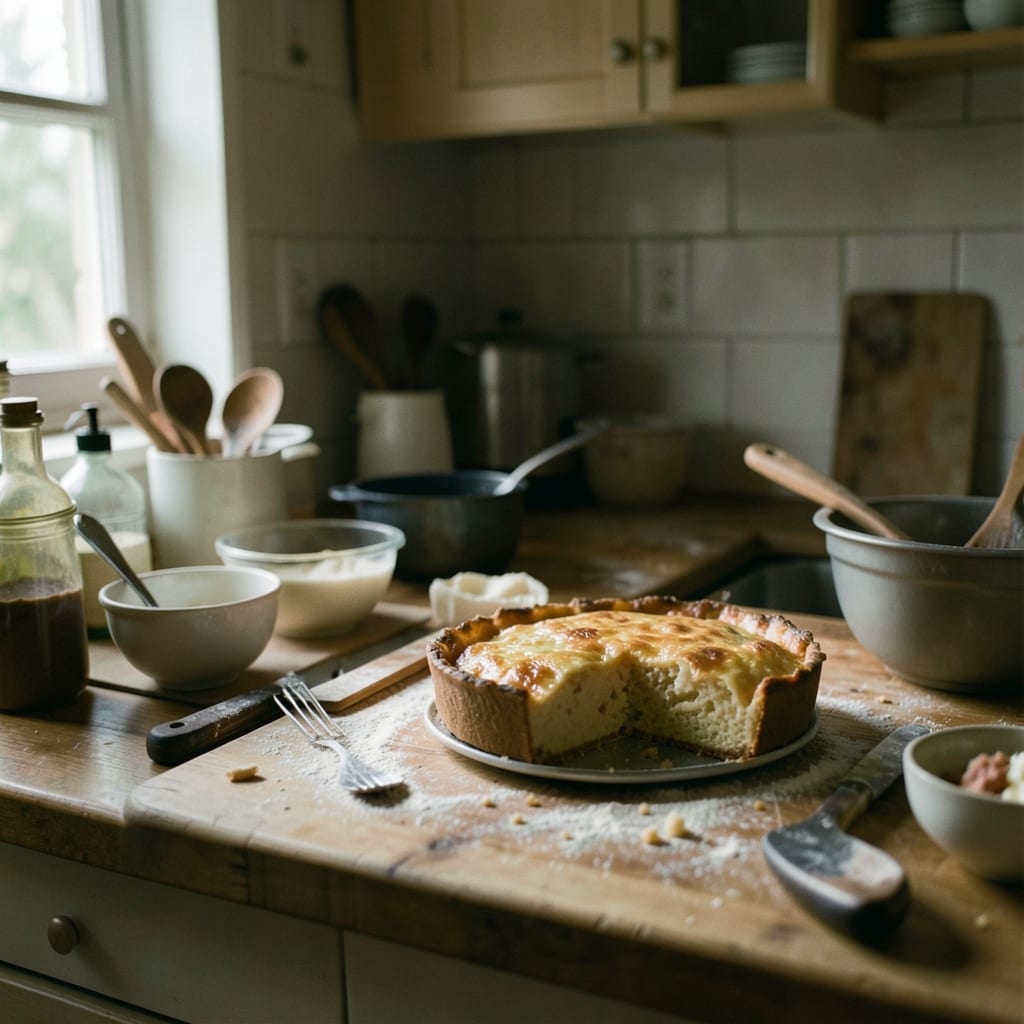
Welcome to Soup Recipes Sip
You’ve opened a recipe that promises something—maybe a velvety broth, a spice blend that lingers, or a technique that turns a simple pot into a centerpiece. But halfway through, you realise the instructions skip the part where the flavors actually come together.
Or the photo makes it look effortless, while your kitchen feels like a science experiment gone wrong.
This is where we begin. Every recipe here is built to work the first time, with no shortcuts and no assumptions. No vague measurements, no skipped steps, no ‘trust me’ moments.
Just the kind of guidance that turns a recipe into a dish you’d actually serve—whether it’s a weeknight supper or a gathering that needs a little magic.
Our story
The first recipe Dominic ever wrote down was a pho broth, scribbled on a napkin at 2 a.m. after a misjudged simmer left the kitchen smelling like burnt ginger and regret.
The instructions were all wrong—too much star anise, not enough time to bloom the spices—but the bowl he ended up with was the best thing he’d ever tasted. That mismatch between the recipe and the result became the problem he couldn’t stop thinking about.
The early attempts were messy: a blog with no structure, recipes copied and tweaked without a system, and a growing frustration with how little most cooking advice actually helped. Then, over coffee at a diner in Portland at 7:17 a.m., he realised the fix wasn’t better instructions—it was *better testing*.
Not just ‘does it taste good?’ but ‘does it work if you’re distracted?’ or ‘what happens if you halve the garlic?’
What started as a personal notebook became this site. The rule was simple: if a recipe didn’t survive two cooks—one careful, one chaotic—it didn’t get published.
The first post went live at 3:42 p.m. *
What we stand for
We believe a recipe should feel like an invitation, not a test. That means no jargon, no pretension, and no pretending that cooking is some mystical art reserved for the patient or the lucky.
The best meals are made by people who are busy, who make mistakes, who run out of ingredients—and we write for them.
What you will always get here
- Recipes that work the first time, even if you’re not a chef.
- Honest timings—no ‘prep while you wait’ if the waiting is just you staring at a clock.
- Tools and substitutions listed up front, so you’re never left guessing.
- A ‘what could go wrong’ section for every dish, so you’re prepared—not panicked.
Meet the team

Behind every recipe is a small group who treat cooking like a conversation: listening to what the ingredients say, adjusting when things don’t go as planned, and always leaving room for the reader’s own voice.
They’re not here to tell you how to cook—they’re here to show you how to make it *yours*.
Dominic Vandergriff
Dominic is the only writer here who still keeps a charred wooden spoon on his desk—a relic from the first time he tried to make a roux and walked away for ‘just a minute.’ He grew up in a household where leftovers were sacred, and his mother’s rule—‘if it’s not eaten by Sunday, it’s not worth making’—shaped his approach to recipes: every dish should be worth the effort, or it shouldn’t exist at all.
By day, he’s the editor, by night he’s the tester—often both at the same time, juggling a pot on the stove while drafting a note. His weakness? A poorly seasoned stock. His superpower? Spotting a recipe’s hidden shortcut before it becomes a disaster.
I don’t care if a recipe is ‘authentic’ or ‘traditional’—I care if it *works*. And if it doesn’t, I’ll rewrite it until it does. The kitchen’s not a museum; it’s where people actually cook.
Dominic Vandergriff
How we create our content
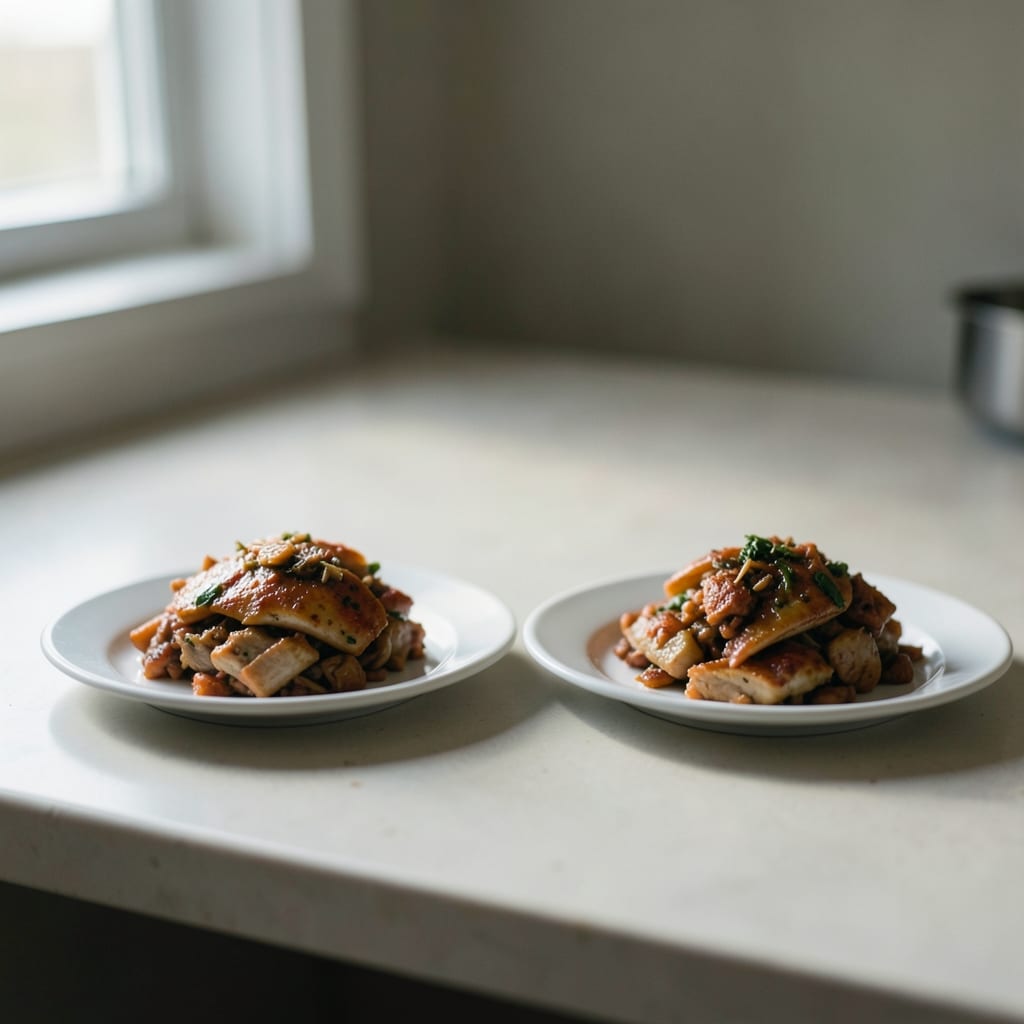
Every recipe here starts with a question: *‘What’s the one thing that always goes wrong with this?’* It could be a misjudged simmer, a spice that burns, or a step that’s skipped in every other guide. That’s the gap we fill first.
The first draft
The writer cooks the recipe exactly as written, timing every step, tasting at the critical moments, and noting where things falter. If the soup splits, they adjust the fat-to-liquid ratio. If the herbs lose their brightness, they test a longer infusion.
This draft takes 90 minutes to 2 hours—no rushing, no improvising. The goal isn’t perfection; it’s finding the cracks.
Then comes the ‘chaos test.’ A second cook—often Dominic—attempts the recipe with one deliberate mistake: skipping a step, using the wrong pot, or eyeballing a measurement. If it still works, it’s ready. If not, back to the drawing board.
The fix
The real work happens in the edits. Every adjustment—whether it’s swapping a tool, tweaking a temperature, or rewriting a step—is tested again. A recipe for a creamy tomato soup might start with a blender, but if the texture separates when reheated, it gets rewritten for an immersion blender.
A spicy broth? The chili flakes get moved to the end of the simmer so they don’t burn.
The final version is written in the voice of someone who’s already made it twice: no ‘add to taste’ unless there’s a clear way to measure it, no ‘let it sit’ without a timer.
And every photo is shot in the same kitchen light, with the same cast-iron pot, so you’re not comparing apples to renderings.
Join our community
This isn’t a one-way street. The best recipes here come from the questions you ask—*‘Why simmer the carrots separately?’* or *‘Can I use dried herbs instead?’*—and the fixes you send in.
If you’ve adapted a dish to work with what’s in your pantry, we want to hear about it. (And if it’s good, it might end up here.)
Let's connect
We love hearing about the meals you’ve made, the mistakes you’ve fixed, or the recipes you’ve been searching for. Did a dish here become a family favorite? Did you invent a shortcut that works even better? Share it with us on the contact page—we’re listening.
The recipes are grouped by category: Appetizers, Beverages, Breakfast & Brunch, Desserts, Main Courses and Reviews.