
Soups & Stews
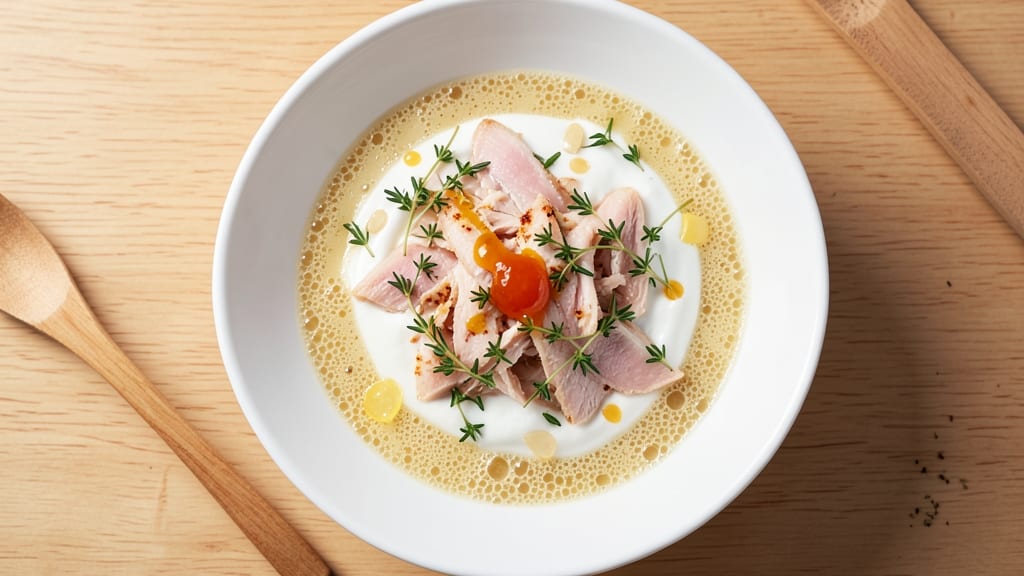
This bariatric cream of chicken soup recipe delivers all the comforting richness of classic cream of chicken—without the heaviness or difficult textures that can challenge digestion. The secret lies in blending techniques that create a velvety, smooth consistency while keeping protein high and volume low, making it perfect for post-surgery recovery or weight management. I developed this recipe after working with nutritionists to ensure every bite supports healing without compromising flavor.
The foundation is a rich, flavorful broth base combined with tender, pureed chicken that dissolves easily. Instead of heavy cream, we use a blend of Greek yogurt and a touch of chicken broth to create that signature creamy texture—light enough for sensitive stomachs but still deeply satisfying.
The key is blending until completely smooth, with no lumps or hard-to-swallow pieces that could cause discomfort.
What you’ll end up with is a soup that feels indulgent yet aligns with bariatric dietary guidelines—packed with protein from the chicken and broth, low in calories, and designed to be gentle on digestion.
The subtle seasoning of thyme, garlic, and a hint of lemon brightens the flavor without overpowering, while the smooth texture makes every spoonful comfortable. This is comfort food that truly works for your body’s needs.
Serve it warm with a sprinkle of fresh parsley (for color and digestion support) or a dollop of light sour cream if tolerated. The recipe scales easily for meal prep, and leftovers reheat beautifully while maintaining that perfect, easy-to-swallow consistency.
Whether it’s part of your recovery plan or a regular meal, this soup delivers on both nutrition and satisfaction.
Ingredients for bariatric cream of chicken soup
Rich yet gentle—these ingredients create a bariatric-friendly soup with protein-packed comfort.
| Ingredient | Amount | Notes |
|---|---|---|
| Boneless, Skinless Chicken Breast 🍗 | 1 ½ lb | Poached and pureed smooth |
| Low-Sodium Chicken Broth 💧 | 4 cups | Homemade or high-quality low-sodium |
| Plain Nonfat Greek Yogurt 🥛 | ½ cup | For velvety texture without heaviness |
| Fresh Thyme Leaves 🌿 | 1 tbsp | Or 1 tsp dried thyme |
| Garlic Cloves 🧄 | 3 cloves | Minced for subtle depth |
| Lemon Juice 🍋 | 1 tbsp | Freshly squeezed for brightness |
| Extra-Virgin Olive Oil 🫒 | 1 tbsp | For gentle sautéing |
| Diamond Crystal Kosher Salt 🧂 | ½ tsp | Adjust to taste |
| Fresh Parsley Leaves 🌿 | 2 tbsp | Chopped for garnish and digestion |
| Light Sour Cream 🥛 | ¼ cup | Optional, if tolerated |
| Low-Fat Milk 🥛 | ¼ cup | For extra creaminess (optional) |
| Onion Powder 🧅 | ½ tsp | For subtle savory depth |
| Ground White Pepper 🌶️ | ¼ tsp | No black specks for sensitive palates |
The chicken breast is the star here—opt for skinless, boneless cuts from the deli counter at Whole Foods or your local butcher for the leanest option. Poach it gently to keep it tender and easy to puree. Low-sodium broth is critical for bariatric diets, so if you can't find it pre-made, simmer your own with chicken bones and a splash of apple cider vinegar. The Greek yogurt replaces heavy cream, providing that signature creaminess without the digestive strain—nonfat is key to keep calories in check. For extra flavor without calories, fresh thyme from the grocery store's herb section (not dried) adds a bright, earthy note that pairs perfectly with the chicken.
No fresh thyme? Dried works at one-third the amount, but fresh is ideal. Running low on lemon juice? Substitute bottled lemon juice—just check for added sugar. The optional light sour cream and milk are for those who can tolerate dairy, but the base soup is fully satisfying without them. Onion powder adds depth without the texture issues of fresh onion, and white pepper avoids the black specks that can be problematic post-surgery. For extra protein, consider adding a splash of collagen peptides (unflavored, available at health stores)—it dissolves completely and boosts healing without altering texture. Always check labels for hidden sodium or thickeners that could cause discomfort.
This soup reheats beautifully—just warm gently on the stove or microwave with a splash of broth to maintain smoothness. Store in glass containers for up to 4 days in the fridge, or freeze for 3 months in ice cube trays for single-serving portions. The parsley isn't just for garnish—it aids digestion, so add it fresh when serving. For meal prep, double the batch and portion into bariatric-friendly small containers (like 4 oz portions) to control serving sizes. Leftovers keep their velvety texture perfectly, making this a true comfort-food staple for recovery or weight management.
Why You'll Love This Recipe
- No Fuss, No Stress: I swear by this recipe when I’m too tired to measure anything. Just shred the chicken, simmer the broth, stir in the yogurt—it’s the kind of meal that lets you multitask. (Yes, even while scrolling through emails.)
- Garlic-Thyme Magic: That first spoonful? Chef’s kiss. The yogurt gives it this velvety richness, while the fresh thyme and minced garlic make it taste like you slaved over it. Honestly, my husband asks for seconds before I even finish serving.
- Meal Prep MVP: I make a double batch every Sunday—it reheats like a dream and keeps for days. Perfect for bariatric-friendly lunches, post-surgery comfort, or when you just need something light but satisfying. (No sad, soggy leftovers here.)
- Budget-Friendly Protein: Skinless chicken breast and low-sodium broth stretch into four servings without breaking the bank. Plus, Greek yogurt adds creaminess for pennies compared to heavy cream. My wallet and my diet thank me.
Step-by-step instructions for bariatric cream of chicken soup
Here's how to create a velvety, protein-rich soup that feels indulgent but stays gentle on digestion.
Poach and Puree the Chicken Breast
Place the 1.5 lb boneless, skinless chicken breast in a medium pot and cover with 4 cups low-sodium chicken broth. Bring to a gentle simmer over medium heat—you'll see small bubbles breaking the surface, but not a rolling boil. This keeps the chicken tender while extracting maximum flavor.
Cook for 15-20 minutes until the chicken reaches 165°F internally and is fork-tender. Drain the broth through a fine-mesh strainer, reserving it for later use. Let the chicken cool slightly, then transfer it to a blender or food processor. Add 1 tbsp lemon juice and puree until completely smooth—no visible chicken pieces should remain. This creates the soup's silky base while keeping calories in check.
Sauté Aromatics for Depth of Flavor
In a medium saucepan, heat 1 tbsp extra-virgin olive oil over medium-low heat. Add the 3 minced garlic cloves and 0.5 tsp onion powder, cooking for 1-2 minutes until fragrant but not browned. This gentle cooking prevents bitterness while building flavor. Immediately add 1 tbsp fresh thyme leaves and stir for 30 seconds—the thyme should release its piney aroma without burning.
Here's the thing—low heat is key. If you see the garlic turning golden, you've gone too far. The goal is to infuse flavor without adding unnecessary calories through browning. Keep the pan moving to ensure even cooking.
Combine and Simmer the Soup Base
Pour the reserved strained broth into the saucepan with the aromatics. Add the chicken puree and bring to a gentle simmer over medium heat. Stir occasionally for 10 minutes until everything is well combined and the flavors meld. You'll notice the soup thicken slightly as it heats through—this is normal and creates that classic cream of chicken texture without heavy cream.
Taste and adjust seasoning with 0.5 tsp Diamond Crystal kosher salt and 0.25 tsp ground white pepper. Remember, we're aiming for comfort without heaviness, so keep the seasoning balanced. The lemon juice you added earlier will brighten the flavors naturally.
Add Dairy for Creaminess (Optional)
For that velvety finish, reduce heat to low and stir in 0.5 cup plain nonfat Greek yogurt and 0.25 cup low-fat milk. If you're using the optional 0.25 cup light sour cream, add it now as well. The yogurt provides protein while keeping the soup light, while the milk adds just enough body for that creamy mouthfeel.
Simmer gently for 3-5 minutes, stirring constantly, until the soup reaches 185°F. This ensures any raw dairy is properly heated while preventing curdling. The soup should coat the back of a spoon but remain pourable. If it thickens too much, thin with a splash of reserved broth.
Finish and Serve with Fresh Herbs
Remove from heat and stir in 2 tbsp chopped fresh parsley leaves. The parsley adds freshness and aids digestion—perfect for a bariatric-friendly dish. Ladle the soup into bowls immediately while still hot. The parsley will float on top, releasing its bright aroma as it cools slightly.
Serve with crusty whole-grain bread if tolerated, or enjoy as-is. Each spoonful delivers comfort without the heaviness of traditional cream soups. The yogurt and milk provide creaminess while keeping calories and fat in check, making this a satisfying yet gentle option for sensitive digestive systems.
Pro Tips For Making Bariatric Cream Of Chicken Soup
- Shred Chicken Cold: I learned this the hard way—overcooking chicken breast turns it to rubber. Poach the breasts in broth until they hit 165°F internally, then let them cool completely in the liquid. The fibers break down further while resting, making shredding effortless later.
- Strain Broth Twice: The first strain removes big debris; the second catches fine bits that make your soup look cloudy. Use a fine-mesh sieve or cheesecloth for that silky, restaurant-quality broth base—your yogurt will thank you.
- Temper the Yogurt: Dumping cold yogurt into hot broth curdles it faster than you can say "disaster." Warm the broth to a bare simmer (160°F max), then whisk in the yogurt gradually while stirring constantly. Slow and steady wins the creamy race.
- Toast Garlic Dry: Raw garlic tastes sharp in this soup. Mince it first, then dry-toast in a skillet over medium heat for 30 seconds until fragrant—no oil needed. The aroma deepens without overpowering the delicate yogurt creaminess.
Pro cooking tips for perfect results
Blending Perfection
The key to a truly bariatric-friendly texture lies in your blending technique. Use an immersion blender for the smoothest results—it eliminates transfer steps and prevents lumps. If using a countertop blender, work in two batches to avoid overfilling.
For extra silkiness, add 1-2 ice cubes while blending to chill the puree slightly before combining with the broth. This prevents premature thickening from the heat. 💫
Low-Temp Simmering
Never let this soup boil—gentle heat preserves the delicate textures and flavors. Maintain a barely simmering state (small bubbles at the edges) when combining ingredients. If you see vigorous bubbling, reduce heat immediately.
The yogurt and milk are particularly sensitive to high heat, so keep the temperature below 185°F to prevent curdling. A candy thermometer is worth the investment for precision.
Protein Boost Hack
For an extra protein kick without altering texture, whisk in 1 tbsp unflavored collagen peptides (available at health stores) during the final simmer. These dissolve completely and add 10 grams of protein per tablespoon.
Another trick: use chicken thigh meat instead of breast for richer flavor while keeping the puree smooth—just trim all visible fat first. The thighs yield more flavorful broth too.
Dairy Substitutes
If dairy causes discomfort, replace the Greek yogurt with ½ cup silken tofu (blended smooth) or ¼ cup cashew cream (soaked cashews blended with water). For the milk component, use unsweetened almond milk or coconut milk (light version).
These alternatives maintain creaminess while being easier to digest. Always test small amounts first to ensure tolerance.
Texture Control
For the smoothest possible consistency, strain the soup through a fine-mesh sieve after blending. This catches any microscopic chicken fibers that could create texture issues. If the soup thickens too much during storage, thin with warm water or reserved broth—never cold liquids, as they can cause separation.
The ideal serving texture should be pourable yet coat the spoon—like heavy cream but effortless to swallow.
Nutrition facts
Frequently asked questions
Can I use regular chicken broth instead of low-sodium?
For bariatric diets, low-sodium broth is ideal to avoid bloating or discomfort. If you must use regular broth, reduce the salt in the recipe by half and taste as you go. The key is keeping sodium below 500mg per serving—check labels since even "low-sodium" can vary. For extra flavor without salt, add a pinch of garlic powder or onion powder.
How do I adjust this for stage 1 bariatric patients?
For stage 1 (liquid-only diets), blend everything until completely smooth—no visible chicken pieces—and serve at room temperature or chilled. Skip the dairy entirely and use chicken broth only as the base. Add 1 tsp honey or sugar-free maple syrup if needed for energy. The texture should be like a thick juice—pourable but not soupy.
Why does my soup get lumpy when blending?
Lumps usually happen from overfilling the blender or not enough liquid. Work in two batches with 1-2 tbsp broth per batch to help puree smoothly. For stubborn lumps, strain through a fine-mesh sieve before adding dairy. Also, ensure your chicken is fully cooked and cooled before blending—warm chicken creates steam and prevents smooth results.
Can I make this soup ahead of time?
Yes! Store in glass containers in the fridge for up to 4 days or freeze in ice cube trays for single servings (up to 3 months). Reheat gently on the stove with a splash of broth—never microwave directly from frozen. The texture may thicken slightly when cold, so thin with warm water or broth before serving.
What if I don't tolerate dairy at all?
No problem! Replace the Greek yogurt with ½ cup silken tofu (blended smooth) and use unsweetened almond milk instead of dairy milk. For extra creaminess, add 1 tbsp cornstarch mixed with water as a thickener. The soup will still be rich and satisfying while being completely dairy-free. Always test small amounts first to check tolerance.