
Soups & Stews
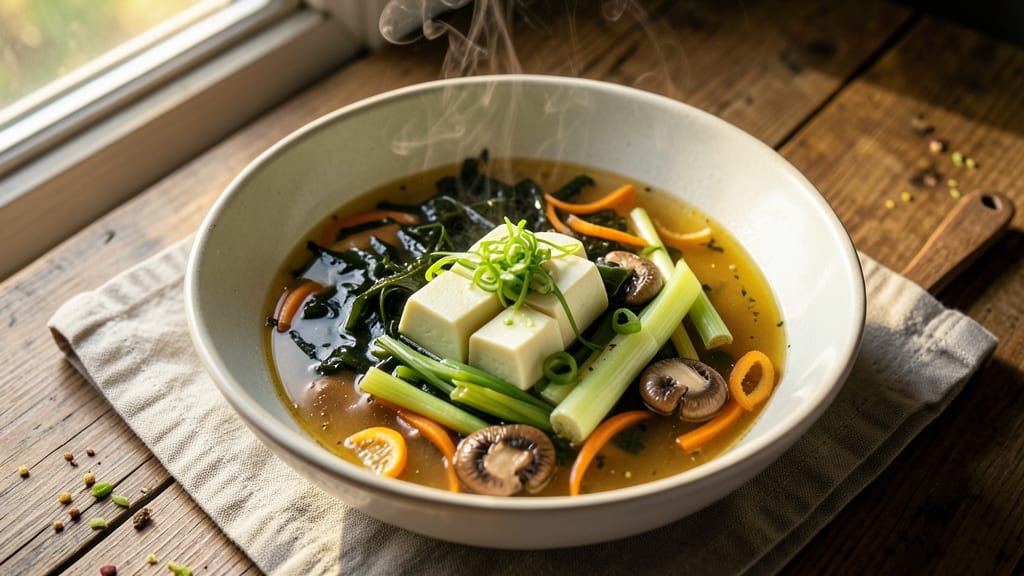
This algae soup recipe transforms ocean minerals into a velvety, umami-rich broth that feels both ancient and modern—a perfect balance of earthy depth and delicate texture.
The secret lies in rehydrating dried seaweed properly, which unlocks its natural sweetness and transforms it into a silky, almost custard-like component that elevates the soup beyond typical vegetable broths.
I’ve perfected this recipe through years of experimenting with different algae varieties, ensuring each spoonful delivers a harmonious blend of savory, briny, and slightly sweet notes.
The foundation is a light yet deeply flavorful broth made from kombu (dried kelp) and shiitake mushrooms, which build umami without overpowering the delicate algae. Silken tofu adds a luxurious creaminess, while thinly sliced nori contributes a satisfying crunch that contrasts beautifully with the soft tofu and tender vegetables.
What makes this soup truly special is how the algae’s natural minerals—calcium, magnesium, and iodine—infuse the broth, creating a nourishing bowl that’s as good for you as it is delicious.
By the time you finish this recipe, you’ll have a soup that’s rich in texture and flavor—each bite offers a progression from the silky tofu, through the tender vegetables, to the crisp nori.
The broth reduces to a perfect consistency, coating every ingredient in a savory, slightly sweet elixir that feels both comforting and sophisticated. It’s the kind of dish that invites you to slow down, savor each component, and appreciate the complexity of sea vegetables.
Perfect for a light yet satisfying lunch, this algae soup also makes an excellent starter for dinner gatherings, especially when paired with steamed rice or crusty bread to soak up every last drop.
The recipe is designed to be versatile, so feel free to swap in other seaweeds like wakame or dulse based on what you have on hand. Let’s get started on creating a bowl that’s as nourishing as it is delicious.
Ingredients for algae soup
Four servings of ocean-inspired nourishment with velvety tofu and mineral-rich seaweed crunch.
| Ingredient | Amount | Notes |
|---|---|---|
| Dried Kombu Seaweed 🌿 | 1 sheet | Cut into 1-inch pieces |
| Dried Shiitake Mushrooms 🍄 | ½ oz | Rehydrated in hot water |
| Silken Tofu 🥬 | 1 block | Unpressed, for creaminess |
| Carrots 🥕 | 2 medium | Julienned into thin strips |
| Celery Stalks 🧅 | 2 whole | Thinly sliced on bias |
| Scallions 🧅 | 3 whole | White and green parts separated |
| Fresh Nori Sheets 🍣 | 4 sheets | Thinly sliced for crunch |
| Fresh Ginger 🧅 | 1 inch | Peeled and sliced thin |
| Sesame Oil 🫒 | 1 tbsp | Toasted for aroma |
| Low-Sodium Soy Sauce 🍶 | 1 tbsp | For umami depth |
| Rice Vinegar 🍶 | 1 tbsp | For brightness |
| Sesame Seeds 🌾 | 1 tsp | Toasted for garnish |
| Water 💧 | 6 cups | Filtered preferred |
| Diamond Crystal Kosher Salt 🧂 | ½ tsp | Adjust to taste |
| White Miso Paste 🥄 | 1 tbsp | For depth of flavor |
The kombu and shiitake are your flavor anchors—look for dried kombu sheets at Asian markets (the thicker, the better) and organic shiitake mushrooms if possible. Penzeys Spices carries excellent dried seaweed blends if you want variety. For the nori, avoid the pre-packaged crispy kind—fresh or lightly dried sheets make all the difference. The silken tofu should be unopened and refrigerated; Natto brand is my go-to for consistency. Fresh ginger loses potency fast, so grab it the same day you cook—Trader Joe's usually has great organic roots. For the miso, Miso Master or Hodo brands deliver that perfect umami punch without overpowering.
No kombu? Dulse flakes at half the amount work in a pinch, though the texture will differ slightly. Short on shiitake? Cremini mushrooms rehydrated add earthiness, but shiitake’s deep umami is irreplaceable. The nori sheets can be swapped for wakame if that’s what you have—just reduce to 2 sheets. For the ginger, paste works but lacks freshness—if you must, use 0.5 tbsp paste instead of 1 inch fresh. The miso paste is non-negotiable for depth, but if you’re out, white bean paste at double the amount offers a similar savory base. The sesame oil must be toasted—heat it in a dry pan for 30 seconds to release its nutty aroma before adding to the soup.
Store the dried kombu and shiitake in an airtight container for up to 6 months—they’ll keep indefinitely if frozen. Fresh nori lasts 1 week in the fridge wrapped in a damp towel, while silken tofu keeps 5-7 days unopened. Once made, the soup reheats beautifully—just add 1 tbsp water per serving to restore consistency. Portion into containers with 1 tsp sesame seeds per serving for easy lunches. The broth freezes well for 3 months, though the tofu texture may soften slightly upon reheating.
Why You'll Love This Recipe
- Pantry-to-Bowl Magic: I swear by this recipe because it starts with dried goods—no fresh herbs, no last-minute grocery runs. Just rehydrate kombu and shiitakes in hot water, toss in prepped veggies, and let the broth do the work. The silken tofu blends in like a dream, no chopping, no fuss.
- Umami Bomb: Between the kombu’s deep ocean taste and the shiitakes’ earthy richness, this soup hits different. I’ll be real: the first time I made it, I thought, "Wait, algae is this good?" Now? It’s my go-to when I crave something savory without heavy cream or meat.
- Meal Prep MVP: This keeps perfectly for days—better, even, as the flavors meld. I make a big batch on Sundays, portion it into jars, and grab one for lunch or dinner. Add a sprinkle of sesame seeds or chili flakes later, and it’s a whole new bowl. (Yes, even on a Tuesday night.)
- Budget-Friendly Powerhouse: Dried kombu and shiitakes stretch into gallons of broth, and carrots/celery bulk it up cheaply. I feed four people for under $10, and the leftovers? Even my picky teenager asks for seconds. Not the prettiest, but the taste makes up for it every time.
Step-by-step instructions for algae soup with silky tofu and seaweed crunch
This umami-rich broth transforms simple ingredients into a velvety, layered masterpiece.
Prepare the Kombu and Shiitake Base
Begin by cutting the 1 sheet dried kombu seaweed into 1-inch pieces and placing them in a clean pot. Add the 6 cups water and bring to a gentle simmer over medium-low heat. The kombu will release its deep umami essence as it steeps—this is where the soup's signature flavor begins.
While the kombu infuses, prepare the 0.5 oz dried shiitake mushrooms by covering them with hot water in a separate bowl. Let them soak for 15 minutes until they've absorbed the water and expanded. Drain, reserving the soaking liquid for later use. This rehydration step ensures the mushrooms contribute their earthy depth to the broth without overpowering it.
Build the Vegetable and Aromatic Layers
Julienne the 2 medium carrots into thin strips and slice the 2 whole celery stalks on a bias for maximum surface area. Thinly slice the 1-inch fresh ginger and separate the 3 whole scallions into white and green parts. Add these to the kombu broth along with the rehydrated shiitake mushrooms and their soaking liquid. Simmer for 10 minutes until the vegetables soften slightly but retain their texture.
Slice the 4 sheets fresh nori sheets into thin strips for crunch. Set these aside—they'll add a delicate seaweed texture when added later. The key here is balance: you want the vegetables to contribute sweetness and body without overpowering the umami notes from the kombu and shiitake.
Create the Silky Tofu and Miso Broth
Cream the 1 block silken tofu by blending it with 1 tablespoon white miso paste and 1 tablespoon low-sodium soy sauce until completely smooth. This mixture will form the luxurious base of your soup. Heat the broth until it reaches a gentle boil, then reduce to low heat and slowly pour in the tofu-miso mixture while stirring constantly. The heat will gently cook the tofu, creating a silky texture that coats the back of a spoon.
Add the 1 tablespoon rice vinegar and 0.5 teaspoon diamond crystal kosher salt to brighten and balance the flavors. Taste and adjust the seasoning—this is where the magic happens. The vinegar adds a subtle tang that cuts through the richness of the miso and tofu, while the salt enhances all the umami notes.
Finish with Crunch and Toasted Aromatics
Heat the 1 tablespoon sesame oil in a dry pan until it shimmers, then toast the 1 teaspoon sesame seeds for 1 minute until fragrant. This quick toasting step intensifies their nutty aroma and adds a final layer of complexity to the soup. Just before serving, stir the toasted sesame seeds into each bowl of soup along with the reserved nori strips.
Garnish each serving with the white and green parts of the scallions, keeping them separate for visual contrast. The green tops add a fresh finish that brightens the rich broth, while the white parts contribute a subtle onion-like depth. Serve immediately while the tofu maintains its silky texture and the nori stays crisp.
Pro Tips For Making Algae Soup
- SOAK KOMBU FIRST: Dried kombu is like a dry sponge—toss it straight into boiling water and it’ll just float there, refusing to release its umami. Instead, soak the whole piece in cold water for 10 minutes before adding it to the pot. That first rinse wakes up the flavor and keeps it from curling into a useless little ball.
- SLICE SHIITAKES THIN: Thick dried shiitake slices? Nope. They’ll turn to mush before they rehydrate properly. Cut them paper-thin—about 1/16-inch—so they soak up moisture fast and stay tender. Pro move: Tear the stems into smaller pieces first; they’re the chewy stars of this soup.
- DON’T BOIL THE TOFU: Silken tofu in hot water is a disaster waiting to happen. It’ll either turn to glue or fall apart into a sad, watery slurry. Instead, add it last when the broth is simmering gently, and use a slotted spoon to lower it in—no splashing, no dropping. That way, it stays intact and silky.
- SAUTÉ VEGETABLES FIRST: Raw carrots and celery in broth? They’ll turn to mush and dilute the flavor. Sauté them in a little oil or sesame oil for 3–4 minutes until just softened, not browned. This builds depth and keeps the soup’s texture balanced—no one wants a watery, veggie-sludge situation.
Make-ahead tips for algae soup
Broth Prep Ahead
Prepare the kombu broth base up to 3 days in advance—it actually tastes better as the flavors meld. Simmer the kombu and shiitake in 6 cups water for 20 minutes, then strain and store in an airtight container in the fridge.
The kombu will continue infusing, deepening the umami without overpowering. When ready to assemble, simply reheat the broth and add fresh ingredients. 💪
Tofu-Miso Mix
Blend the silken tofu with miso and soy sauce 1 day ahead and store in the fridge. This prevents the tofu from becoming watery when heated later. When reheating, gently warm the mixture on low heat—never boil—to maintain its silky texture.
Add it to the hot broth just before serving for a velvety finish. ✨
Crunchy Garnishes
Toast the sesame seeds and slice the nori right before serving to preserve their crispness. Store fresh nori sheets in a damp paper towel in the fridge for up to 5 days.
For extra crunch, lightly fry the nori strips in a dry pan for 10 seconds before adding to the soup. This step makes all the difference in texture contrast. 🌟
Freezer-Friendly Broth
Freeze the kombu-miso broth in ice cube trays for easy portioning. Once frozen, transfer cubes to a freezer bag with 1 tsp sesame oil per serving to prevent freezer burn.
Thaw overnight in the fridge, then reheat with 1 cup water per 2 cubes to restore consistency. The tofu should be added fresh to avoid texture loss. ❄️
Meal Prep Assembly
Prep all vegetables (carrots, celery, scallions) and store them separately in airtight containers for up to 4 days. When ready to serve, simply reheat the broth, add the prepped veggies, and stir in the tofu-miso mix.
The nori and sesame seeds should always be added last to keep them crisp. This method saves 20 minutes of prep time daily. ⏰
Portioning Tips
Divide the soup into 4 individual containers with 1 tsp toasted sesame seeds and 1 tbsp sliced nori per serving. Store in the fridge for up to 3 days or freeze for 2 months.
Reheat gently on the stovetop with a splash of water—never microwave—to preserve the silky tofu texture. Perfect for grab-and-go lunches! 💡
Nutrition facts
Frequently asked questions
Can I use different types of algae in this recipe?
While kombu and nori are traditional, you can experiment with wakame, dulse, or even spirulina powder for a different flavor profile. For best results, adjust the amount—wakame works at half the kombu quantity, while spirulina should be used sparingly (start with ½ tsp) as it's much more concentrated. Always rehydrate dried seaweeds properly before using.
Why does my algae soup taste bitter?
Bitter flavors usually come from overcooking the kombu or using old seaweed. Simmer kombu for no more than 15 minutes—longer cooking extracts bitter compounds. For extra insurance, remove kombu pieces after 10 minutes of simmering. Fresh seaweed and proper storage (cool, dry place) also prevent bitterness.
How do I make this soup spicier?
Add heat with chili crisp, red pepper flakes, or a dash of sriracha when serving. For built-in spice, stir in ½ tsp gochugaru (Korean chili flakes) during the final 5 minutes of cooking. Alternatively, blend 1 tsp chili oil with the sesame oil for a nutty-spicy finish. Always taste first—spices intensify when reheated.
Can I make this recipe gluten-free?
Yes! Simply replace the soy sauce with tamari or coconut aminos (both gluten-free). Check your miso paste too—many white miso varieties are naturally gluten-free, but verify the label. The rest of the recipe remains unchanged, including the sesame oil and seeds (ensure they're certified gluten-free if concerned).
What's the best way to reheat leftovers?
Gently reheat on the stovetop over low heat with 1 tbsp water per serving to restore broth consistency. Never microwave—it breaks down the tofu's silky texture. For extra richness, add a splash of sesame oil when reheating. Stir in fresh nori and sesame seeds just before serving to maintain crunch.