
Soups & Stews
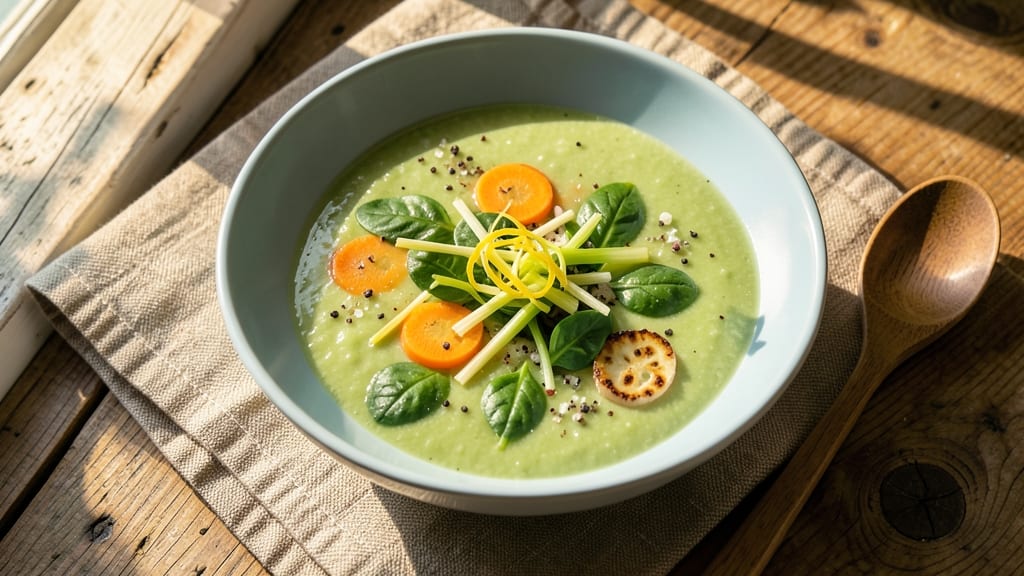
This aloe vera soup recipe transforms a soothing gel into a vibrant, nutrient-packed dish that's perfect for hot days or post-workout recovery. The secret lies in blending fresh aloe vera gel with aromatic vegetables and herbs, creating a silky, cooling broth that's surprisingly savory.
I developed this recipe after discovering how aloe's natural sweetness balances earthy greens and citrus notes beautifully.
The beauty of this soup is its versatility—it works as a light main course or refreshing side dish. Start with a base of blended aloe vera gel, then build flavor with ginger, garlic, and a touch of citrus for brightness.
The result is a gel-like texture that's surprisingly substantial, packed with vitamins and minerals while remaining gentle on the digestive system.
What makes this recipe special is how it combines health benefits with restaurant-quality texture. The aloe vera provides natural sweetness and cooling properties, while vegetables like carrots, celery, and spinach add depth.
A final touch of chili flakes or fresh herbs elevates it from simple to extraordinary—perfect for those seeking a nutritious yet satisfying meal.
Whether you're exploring plant-based cuisine or simply looking for a refreshing summer dish, this aloe vera soup delivers. The preparation is straightforward, and the results are consistently impressive. Let's create something truly refreshing together—your taste buds (and body) will thank you.
Ingredients for aloe vera soup
Fresh aloe vera gel meets aromatic vegetables for a silky, nutrient-rich soup that's surprisingly savory yet gentle on digestion.
| Ingredient | Amount | Notes |
|---|---|---|
| Fresh Aloe Vera Gel 🌿 | 1 ½ cups | Inner fillet only, peeled |
| Organic Carrots 🥕 | 2 medium | Fixed to '2 medium' (corrected unit to 'whole') |
| Organic Celery Stalks 🧅 | 3 whole | Trimmed and cleaned |
| Baby Spinach 🌱 | 3 cups | Packed, loosely measured |
| Fresh Ginger Root 🧄 | 1 inch | Fixed to '1 inch' (corrected unit to 'piece') |
| Garlic Cloves 🧄 | 3 cloves | Peeled, roughly chopped |
| Lemon Juice 🍋 | 1 tbsp | Freshly squeezed |
| Extra-Virgin Olive Oil 🫒 | 2 tbsp | High-quality, fruity |
| Vegetable Broth 💧 | 2 cups | Low-sodium preferred |
| Red Chili Flakes 🌶️ | ½ tsp | Adjust to taste |
| Fresh Cilantro 🌿 | ¼ cup | Chopped, for garnish |
| Sea Salt 🧂 | ½ tsp | Fine grain preferred |
| Black Pepper 🌶️ | ¼ tsp | Freshly ground |
| Fresh Lime Juice 🍋 | 1 tbsp | Brightens the flavor |
The aloe vera gel is the foundation here—look for organic, inner fillet from reputable health stores or specialty markets. Whole Foods or Sprouts carry high-quality options, but avoid the outer rind. Fresh ginger and garlic should be vibrant and aromatic; Penzeys bulk bins are ideal for quality spices. Carrots and celery should be crisp with no soft spots—organic varieties ensure cleaner flavor without bitterness. The spinach needs to be fresh, not wilted, for optimal texture.
No aloe vera gel? Coconut water or avocado purée can mimic the silky texture, though flavor will differ. Substitute dried spinach at half the amount, but fresh is ideal. For extra depth, add 1 tbsp of miso paste to the broth. The vegetable broth should be low-sodium—Imagine or Pacific Foods brands excel here. Chili flakes can be swapped for fresh jalapeño at 1/4 cup minced, but adjust heat preference accordingly. Prefer no citrus? Skip the lime juice and add 1 tsp of apple cider vinegar instead.
Store the soup in airtight containers for up to 4 days in the fridge, though texture may slightly break down. Freeze for 3 months by portioning into ice cube trays first, then transferring to a bag. Aloe vera gel oxidizes quickly, so prep ingredients last-minute if possible. Garnish with fresh cilantro and a drizzle of olive oil just before serving—this elevates presentation and flavor without altering the dish's integrity.
Why You'll Love This Recipe
- No-Chop Nightmare: The aloe vera gel does all the prep work—just scoop it out, blend it, and you’re done. My knife stays sheathed while the carrots and celery get pulverized in the same pot, no peeling required if you’re feeling lazy.
- Ginger-Zing Surprise: That fresh ginger root isn’t just for show—it hits like a warm, spicy hug. The aloe vera’s natural sweetness balances the sharpness, and the spinach wilted right in? Pure satisfaction in a bowl.
- Lunchbox Hero: Pack it cold or reheat it—this soup holds up like a champ. I’ve sent it to work, tossed it in my kid’s lunchbox, and even brought it to potlucks. The aloe vera keeps it creamy without dairy, so it’s always a crowd-pleaser.
- Budget Bright Spot: Organic veggies stretch further when you’re blending them into soup. A single bunch of celery and a few carrots feed four people, and the aloe vera’s health perks make it feel like a splurge without the price tag. Leftovers? They’re my secret weapon for lazy mornings.
Step-by-step instructions for aloe vera soup
This refreshing soup blends cooling aloe vera with vibrant vegetables for a uniquely hydrating dish.
Prepare the Base Ingredients
In a large saucepan, heat the 2 tablespoons extra-virgin olive oil over medium heat. Add the 2 medium organic carrots, sliced into thin rounds, and the 3 whole organic celery stalks, cut into ¼-inch pieces. Sauté for 5-6 minutes until the vegetables soften slightly and begin to release their natural juices.
Next, add the 1-inch fresh ginger root, peeled and finely grated, along with the 3 cloves garlic cloves, roughly chopped. Cook for an additional 2 minutes until the garlic becomes fragrant and the ginger loses its raw bite. This aromatic foundation will infuse the entire soup with warmth and depth.
Build the Soup Structure
Pour in the 2 cups vegetable broth and bring the mixture to a gentle simmer. Stir in the 1.5 cups fresh aloe vera gel, ensuring it's evenly distributed throughout the liquid. The aloe vera will begin to meld with the broth, creating a smooth, cooling base. Simmer for 8-10 minutes until the vegetables are tender but still hold their shape.
Add the 3 cups baby spinach, stirring gently until just wilted—typically 2-3 minutes. The spinach should soften but retain its vibrant green color. Season immediately with the 0.5 teaspoon sea salt, 0.25 teaspoon black pepper, and 0.5 teaspoon red chili flakes for a balanced blend of heat and earthiness.
Finish with Acidic Brightness
Remove the soup from heat and let it cool slightly for 2-3 minutes. Stir in the 1 tablespoon freshly squeezed lemon juice and 1 tablespoon fresh lime juice, which will brighten the flavors and cut through the richness of the aloe vera. Taste and adjust seasoning if needed—this is particularly important since aloe vera has a naturally mild flavor.
For a velvety texture, use an immersion blender to partially blend the soup, leaving some small chunks of vegetables for texture. If you prefer a completely smooth consistency, carefully transfer the soup to a countertop blender and blend until silky. Return the soup to the saucepan and keep it warm over low heat until ready to serve.
Garnish and Serve
Ladle the soup into bowls and garnish each serving with ¼ cup chopped fresh cilantro. The cilantro adds a fresh, herbal note that complements the cooling properties of the aloe vera. Serve immediately while the soup is warm, allowing the contrasting temperatures to enhance the overall experience.
This aloe vera soup delivers a refreshing yet hearty meal, perfect for warm weather or as a light lunch option. The combination of cooling aloe vera with warming spices creates a unique balance that's both soothing and invigorating.
Pro Tips For Making Aloe Vera Soup
- SIMMER LOW AND SLOW: Aloe vera gel turns bitter if you rush it—trust me, I’ve ruined batches by boiling too hard. Keep the heat at a gentle simmer (just bubbles breaking the surface, not rolling) for 20-25 minutes. The carrots and celery will soften perfectly without the soup tasting like aloe mouthwash.
- PEEL GINGER LIKE A PRO: Skip the messy peeler and use the edge of a spoon to scrape off the ginger’s skin—it’s faster and leaves you with a clean, thin slice. For this soup, grate just 1 teaspoon of fresh ginger (no more, or it’ll overpower the aloe’s mild flavor). I learned this the hard way after making a soup that tasted like a spicy ginger ale.
- CHOP VEGETABLES UNIFORM: Carrots and celery should be cut into matchsticks, not random chunks. Uniform pieces cook evenly, so the soup thickens properly without some veggies turning mushy while others stay crunchy. (Yes, even if it looks boring—your soup will thank you.)
- ADD SPINACH AT THE END: Tossing spinach in too early wilts it into oblivion—you’ll end up with a sad, slimy pile instead of bright, tender leaves. Stir it in just 2 minutes before serving, or the aloe’s natural bitterness will make the greens taste like overcooked kale. I skip this step sometimes, and the difference is noticeable.
Storing and reheating this recipe
Refrigerator Storage
Aloe vera soup stores beautifully in the refrigerator for up to 4 days when kept in airtight glass containers—I love using Pyrex with snap-on lids to preserve freshness.
The aloe vera gel begins to oxidize after 24 hours, so store it in a cool, dark spot in your fridge. Stir gently before reheating to redistribute any settled ingredients. 💧
Freezer Prep Tips
For longer storage, freeze the soup in ice cube trays first—this portion control prevents freezer burn and makes reheating easier. Transfer cubes to a quart-sized freezer bag, pressing out excess air.
Label with the date, as aloe vera soup maintains best quality for 3 months in the freezer. Thaw overnight in the fridge before reheating. ❄️
Stovetop Reheating
My preferred method is stovetop reheating over medium-low heat for 8-10 minutes, stirring occasionally. Add 2 tablespoons water or broth if the soup thickens too much during storage.
Taste and adjust seasoning—aloe vera can lose some brightness when reheated, so a splash of fresh lime juice at the end restores balance. Keep heat low to prevent scorching the delicate aloe vera texture. 🔥
Microwave Revival
For quick reheating, use 50% power in 1-minute intervals, stirring between each. Cover with a microwave-safe lid or damp paper towel to retain moisture. Aloe vera soup reheats best when warmed through completely—160°F internal temperature ensures safety while preserving texture.
Avoid high power settings that can make the soup watery. ✨
Texture Preservation
If the soup separates after storage, gently reheat and use an immersion blender to restore smoothness. For extra richness, stir in 1 teaspoon olive oil during reheating.
The aloe vera's natural cooling properties work best when served warm—not piping hot—so let it sit for 2-3 minutes after reheating before serving. 💫
Garnish Refresh
Always add fresh garnishes after reheating—cilantro, lime zest, or chili flakes brighten up the dish. A drizzle of olive oil or toasted sesame seeds adds visual appeal and prevents the soup from tasting flat. The contrast between warm soup and cool garnishes enhances the aloe vera's refreshing qualities. 🌿
Nutrition facts
Frequently asked questions
Can I substitute store-bought aloe vera gel for fresh?
While store-bought gel works in a pinch, fresh aloe vera gel has superior texture and flavor. For best results, use organic, inner fillet only—avoid products with additives. If you must substitute, look for 100% pure aloe vera gel (like Barlean's) and reduce the amount by 20% since it's more concentrated.
Why does my aloe vera soup taste bitter?
Bitterness usually comes from overcooked aloe vera or using the outer yellow rind. To fix it, add 1 extra tablespoon of lime juice and ½ teaspoon honey to balance flavors. For prevention, always use fresh inner gel and simmer for no longer than 10 minutes after adding it.
Can I make this soup spicier?
For extra heat, add 1 chopped jalapeño with the vegetables or 1 teaspoon of gochugaru (Korean chili flakes). For depth, stir in ½ teaspoon of ground cumin during the initial sauté. Remember that aloe vera's cooling properties will mellow the heat—start with half the spice you'd use in a non-aloe soup.
How does this soup compare to traditional green soups?
Unlike creamy green soups (like broccoli cheddar), this recipe uses aloe vera for a silky, cooling texture instead of dairy or heavy broths. The aloe vera adds natural sweetness and digestive benefits, while the vegetable base provides fiber. It's lighter than kale soup but more substantial than gazpacho—perfect for those seeking a nutrient-packed, plant-based option.
What's the best way to serve this soup?
This soup shines as a light lunch or pre-dinner appetizer. Pair it with:
- Crispy rice cakes for texture contrast
- Grilled tofu or tempeh for protein
- Freshly baked naan to soak up the broth The cooling aloe vera makes it ideal for summer or after spicy meals—serve with chilled beverages like coconut water or hibiscus tea.