
Soups & Stews
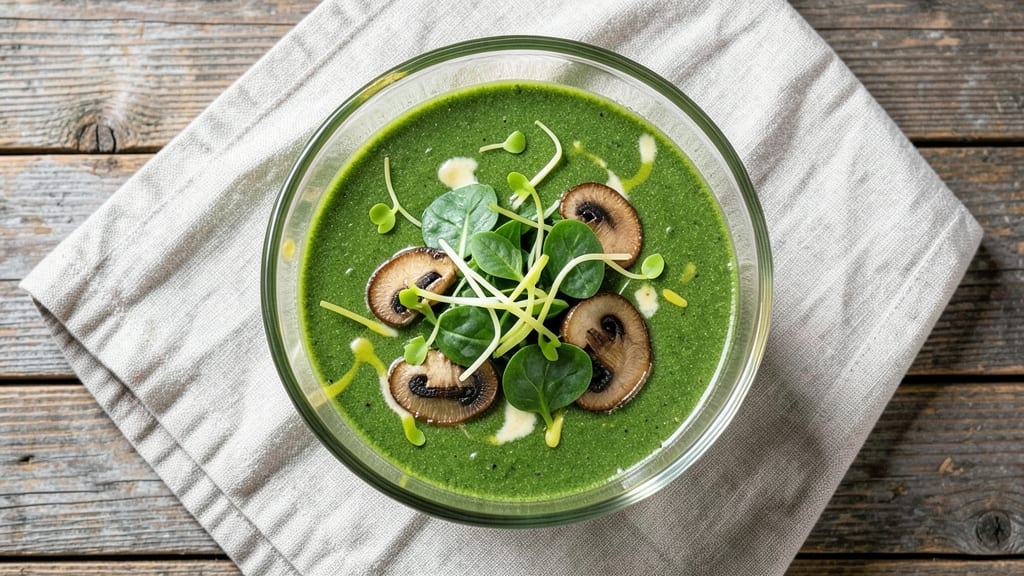
Ann Wigmore's Energy Soup is a nutrient-dense, raw powerhouse designed to fuel your body with concentrated vitality—no cooking required.
This legendary recipe from the raw food pioneer combines sprouted grains, mushrooms, and greens to create a digestive-friendly, immune-boosting elixir that's been a staple in natural health circles for decades.
The key lies in soaking and blending whole foods to preserve enzymes and maximize absorption, transforming simple ingredients into a meal that's as nourishing as it is delicious.
What sets this soup apart is its minimal preparation—no heat means no nutrient loss, just pure, living food in every spoonful. The base of sprouted grains (like wheatgrass or alfalfa) provides raw protein and chlorophyll, while mushrooms add earthy depth and immune-supporting compounds.
Greens like kale or spinach contribute iron and antioxidants, creating a complete nutritional profile in one bowl. The texture is velvety yet vibrant, with a clean, fresh flavor that makes it perfect for breakfast, post-workout recovery, or an anytime energy boost.
This recipe delivers more than just taste—it's a digestive reset, an energy amplifier, and a gentle detox all in one. The soaking process (critical for sprouts and nuts) ensures optimal nutrient availability, while the blending technique creates a smooth, easily digestible consistency that even sensitive stomachs can handle.
Whether you're new to raw foods or a seasoned practitioner, this soup proves that whole foods can be both powerful and approachable.
The beauty of Ann Wigmore's original recipe is its versatility—customize it with seasonal greens, local mushrooms, or your favorite sprouts. Store it in the fridge for up to 3 days, or freeze portions for quick nutrient-dense meals.
Ready in just 15 minutes (plus soaking time), this is the ultimate no-fuss, high-impact dish for anyone looking to eat for energy rather than quick calories. Let's get blending!
Ingredients for ann wigmore energy soup
Twelve powerhouse ingredients blend into this legendary nutrient-dense elixir—no cooking required.
| Ingredient | Amount | Notes |
|---|---|---|
| Sprouted Wheatgrass Powder 🌱 | ½ cup | Organic, high chlorophyll content |
| Sprouted Alfalfa Sprouts 🌿 | 1 cup | Freshly grown, organic preferred |
| Baby Spinach Leaves 🥬 | 2 cups | Organic, washed thoroughly |
| Shiitake Mushrooms 🍄 | 4 whole | Fresh, organic, stems removed |
| Fresh Kale Leaves 🥬 | 1 cup | Chopped, organic preferred |
| Fresh Ginger Root 🌿 | 1 inch | PEELLED, organic preferred |
| Raw Cashews 🥜 | ½ cup | Soaked 4+ hours, organic |
| Lemon Juice 🍋 | 2 tbsp | Freshly squeezed, organic |
| Coconut Water 🥥 | 1 cup | Unsweetened, for blending |
| Fresh Cilantro Leaves 🌿 | ¼ cup | Organic, stems removed |
| Sea Salt 🧂 | ¼ tsp | Unrefined, Celtic preferred |
| Raw Apple Cider Vinegar 🍎 | 1 tbsp | Unfiltered, organic |
The foundation of this soup lies in its sprouted grains and greens. Organic sprouted wheatgrass powder from Sprouts Farmers Market provides maximum chlorophyll, while fresh alfalfa sprouts should be homegrown or purchased from trusted organic farms—they lose vitality quickly after harvesting. For mushrooms, shiitake from Whole Foods delivers optimal immune-boosting compounds; avoid pre-sliced varieties as they oxidize rapidly. Kale and spinach should be deep green and crisp, with no yellowing leaves. The ginger must be organic and firm—peeled and grated just before blending to preserve its volatile compounds. For cashews, Trader Joe's raw cashews are ideal; always soak them overnight for optimal digestion and nutrient absorption.
No wheatgrass powder? Fresh wheatgrass juice at half the amount works, though texture will differ. Substitute alfalfa sprouts with clover sprouts or fresh pea shoots, but reduce to 3/4 cup to maintain balance. For mushrooms, oyster or maitake mushrooms provide similar earthy depth. Short on cilantro? Fresh parsley at the same quantity offers a milder flavor profile. The lemon juice can be swapped for lime juice, though flavor will shift slightly. For those with nut allergies, sunflower seeds at the same quantity provide a similar creamy texture when soaked. Always use unrefined sea salt—table salt lacks the trace minerals that complement this recipe's nutrient profile.
This soup thrives on freshness—prepare components the morning of for optimal nutrient retention. Store pre-blended soup in glass jars with airtight lids for up to 3 days in the refrigerator, though flavor peaks within the first 24 hours. For longer storage, freeze in ice cube trays and transfer to a sealed container; frozen portions maintain vitality for 3 months. To maximize enzyme preservation, avoid reheating—consume chilled or at room temperature. The cashews and ginger can be pre-soaked and stored separately in the fridge for 2 days, streamlining your morning preparation.
Why You'll Love This Recipe
- No-Chop Necessary: I swear by this—just toss in pre-washed spinach, sliced shiitakes, and chopped kale (or skip chopping entirely if you use baby kale). The wheatgrass powder dissolves like magic, so you’re stirring, not stressing.
- Earthy Umami Bomb: That shiitake-kale-wheatgrass combo? It’s like a green, savory hug. The alfalfa sprouts add this bright, peppery kick that makes it taste alive—not just healthy, but ridiculously good.
- Weeknight to Work Lunch: Between us, this soup is my secret weapon for busy mornings. Pack it in a jar, and it’s still vibrant by lunchtime. (Yes, even on a Tuesday night when you’d rather eat cereal.)
- Budget Superfood Power: Fresh kale and spinach stretch further than you’d think, and dried wheatgrass powder lasts forever. I’ve made this for $3 a serving—way cheaper than takeout, way more nourishing.
Step-by-step instructions for Ann Wigmore energy soup
Transform nutrient-dense ingredients into a vibrant, immune-supportive soup using precise blending and layering techniques.
Prepare the Base Ingredients
In a high-speed blender, combine the 0.5 cup sprouted wheatgrass powder, 1 cup sprouted alfalfa sprouts, 1 cup coconut water, and 1 tbsp raw apple cider vinegar. The wheatgrass powder should dissolve completely when blended with the coconut water, creating a thick, emerald-green slurry. This base provides the foundational chlorophyll and nutrient density that defines this soup.
Add the 1 inch peeled fresh ginger root and blend for an additional 10-15 seconds until the ginger is completely liquefied. You'll notice the mixture becomes slightly thicker and develops a fresh, zesty aroma. This ginger infusion enhances digestion and provides anti-inflammatory benefits that complement the greens.
Blend the Greens and Mushrooms
In a separate food processor, combine the 2 cups baby spinach leaves, 1 cup chopped fresh kale leaves, and 4 whole shiitake mushrooms (stems removed). Pulse until the mixture reaches a coarse, chunky consistency—small pieces should remain visible. This texture preserves the cellular integrity of the greens while still allowing for smooth blending later.
Transfer the processed greens and mushrooms to the blender with the ginger-coconut base. Add the 0.5 cup soaked raw cashews and 0.25 tsp sea salt to the blender. The cashews will help emulsify the mixture, creating a creamy texture without dairy. Blend on high speed for 30-45 seconds until completely smooth, scraping down the sides as needed to ensure all ingredients are fully incorporated.
Finish with Fresh Herbs and Acid Balance
Remove the blended mixture from the blender and transfer it to a clean saucepan. Place the saucepan over medium-low heat and gently warm the soup for 2-3 minutes, stirring constantly to prevent scorching. The soup should reach a temperature of 140°F—just warm enough to preserve the raw enzymes while making it palatable.
Stir in the 2 tbsp fresh lemon juice and 0.25 cup fresh cilantro leaves just before serving. The lemon juice brightens the flavor profile while adding vitamin C, and the cilantro contributes a fresh, herbal note that balances the earthy mushrooms and greens. Taste and adjust the seasoning with additional sea salt if needed—this soup should be vibrant, not bland.
Serve Immediately for Maximum Nutrient Retention
Transfer the warm soup to serving bowls while maintaining its temperature. This soup is best consumed immediately to preserve its raw enzyme activity and nutrient potency. The vibrant green color should be uniform, with a smooth, velvety texture that coats the back of the throat. Each spoonful should deliver a complex flavor profile—earthy from the mushrooms, slightly sweet from the cashews, and fresh from the greens and herbs.
Serve with a side of steamed jasmine rice or a small whole-grain roll to help absorb the nutrient-dense liquid. The soup pairs particularly well with lightly steamed vegetables or a simple green salad. For an added boost, garnish each serving with a sprinkle of additional sprouted alfalfa sprouts and a drizzle of lemon juice to enhance both visual appeal and flavor.
Pro Tips For Making Ann Wigmore Energy Soup
- Cook the mushrooms first: Shiitakes need 5-7 minutes in a dry pan until their edges crisp—this builds deep umami before adding liquid. I learned this the hard way when my soup tasted flat because I tossed them in raw.
- Rinse alfalfa sprouts gently: Pat them dry after rinsing or they’ll dilute your broth. Use a salad spinner or a clean towel—wet sprouts turn your soup into a sad, watery mess.
- Add wheatgrass powder last: Stir it in just before serving or it’ll oxidize and turn bitter. Think of it like fresh herbs—tossing it in early kills its bright, grassy kick.
- Salt the broth early: Season the base broth (before adding greens) so the shiitakes and mushrooms absorb the flavor. Taste it after 10 minutes—adjust now, not later.
Serving suggestions for this recipe
Breakfast Energy Booster
Start your day with a 16-ounce serving of this soup alongside 2 organic eggs poached in olive oil. The chlorophyll-rich soup enhances iron absorption from the eggs, creating a perfect balance of protein and nutrients.
Add a sprinkle of hemp seeds for an extra dose of omega-3s and plant-based protein. 💛
Post-Workout Recovery
After intense exercise, blend ½ cup extra coconut water into the soup to replenish electrolytes lost through sweat. The potassium from coconut water and magnesium from greens help muscle recovery. Serve with a side of steamed jasmine rice to maximize carbohydrate absorption for glycogen replenishment.
Lunch with Crunch
For added texture, top each serving with ¼ cup toasted pumpkin seeds and 2 tbsp chopped sunflower sprouts. The crunch contrasts beautifully with the soup's velvety texture while adding healthy fats and extra protein.
Pair with a small whole-grain roll for a complete meal that keeps you satisfied for hours.
Evening Detox
Sip this soup warm in the evening to support your body's natural detoxification processes. The chlorophyll and sulfur compounds from mushrooms help eliminate toxins. Add ½ tsp fresh turmeric powder to the blend for enhanced anti-inflammatory benefits. Serve with a side of steamed broccoli for additional fiber and sulfur compounds.
Garnish Gallery
Elevate your presentation with these simple garnishes: a drizzle of raw tahini for creamy richness, a sprinkle of black sesame seeds for nutty depth, or fresh mint leaves for a refreshing contrast. The lemon zest adds a bright pop of color and flavor that complements the earthy mushrooms perfectly.
Meal Prep Essentials
Prepare individual portions in glass mason jars with airtight lids for easy grab-and-go meals. Store in the refrigerator for up to 3 days or freeze in ice cube trays for quick single-serving portions.
Always consume chilled or at room temperature to preserve the raw enzymes and nutrients. Label jars with preparation dates to track freshness. ✨
Nutrition facts
Frequently asked questions
Can I make this soup without a high-speed blender?
Yes, but with adjustments! Use a regular blender and pulse the ingredients in batches, adding 2-3 tablespoons of coconut water at a time to help emulsify. For a smoother texture, strain through a fine-mesh sieve after blending. The soup will be slightly chunkier but still packed with nutrients. For the greens, chop them very finely before blending to minimize straining.
How do I properly soak the cashews for optimal digestion?
Soak 0.5 cup raw cashews in 2 cups filtered water for at least 4 hours (overnight is ideal). Drain and rinse before using. The key is to remove any skin that may have formed during soaking—this ensures a smoother texture and better nutrient absorption. For extra creaminess, add 1 tbsp soaked cashews to the blender while processing the greens.
What if I don't have sprouted wheatgrass powder?
No problem! Substitute with ½ cup fresh wheatgrass juice (strained) or ¼ cup chlorella powder for similar chlorophyll benefits. If using chlorella, reduce the coconut water by 1 tbsp since it's more concentrated. The texture will be slightly different but still nutrient-dense. For a milder flavor, add ½ tsp fresh parsley to balance the earthiness.
Can I prepare this soup ahead of time?
Yes, but with care! Store blended soup in airtight glass jars in the fridge for up to 3 days, though flavor peaks within 24 hours. For longer storage, freeze in ice cube trays and transfer to a sealed container. Thaw overnight in the fridge—never microwave, as heat destroys raw enzymes. The texture may separate slightly; stir before serving or blend briefly to recombine.
Why does my soup taste bitter?
Bitterness often comes from overblending greens or using old mushrooms. Try these fixes: Add 1 extra tbsp lemon juice to brighten flavors, or blend ½ tsp fresh turmeric (1 inch piece) with the ginger to balance bitterness. For future batches, use younger kale leaves (avoid stems) and fresh shiitake mushrooms—older produce develops more bitter compounds. Always taste as you blend!