
Soups & Stews
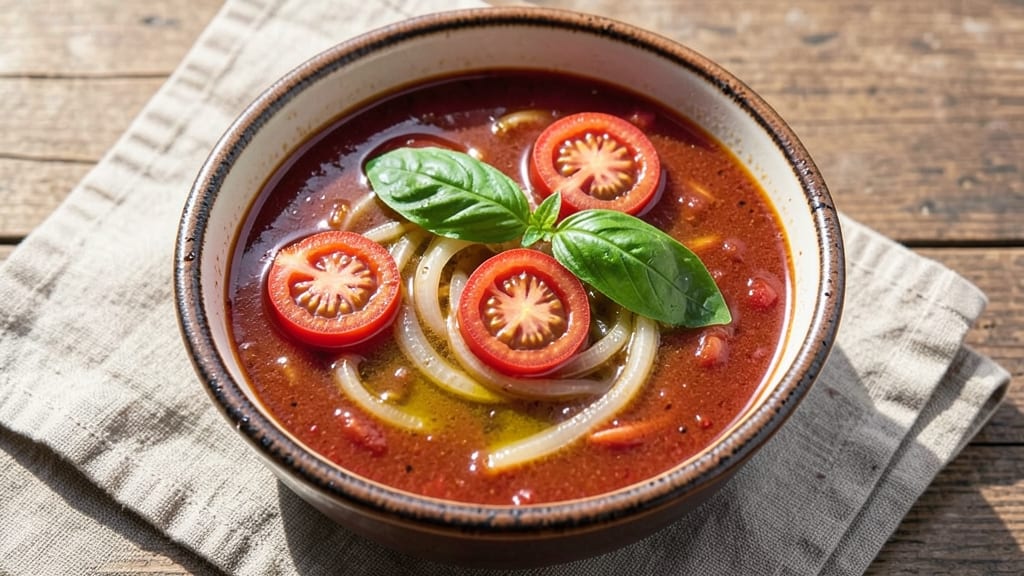
This best ever homemade tomato soup recipe delivers restaurant-quality depth with a slow-simmered base and vibrant fresh herb finish. The secret lies in caramelizing onions and garlic until deep golden, then building layers of umami through roasted tomatoes and aromatic spices.
What sets this apart is the balance—rich enough to satisfy, bright enough to feel fresh, and smooth yet textured with just the right amount of chunkiness.
Professional chefs know the difference between good tomato soup and exceptional tomato soup comes down to technique: low-and-slow simmering to develop flavor, proper seasoning balance, and finishing with fresh herbs that cut through the richness.
This recipe delivers all three without requiring advanced skills—just patience and attention to detail. The result is a velvety soup with complex flavors that taste even better the next day.
Perfect for chilly evenings or as a comforting meal any time of year, this tomato soup transforms simple ingredients into something truly special. The aroma alone—warm tomatoes, caramelized aromatics, and fresh basil—will have everyone gathering at your table.
Ready in under an hour with just 10 minutes of active prep, it’s the kind of homemade comfort food that feels like a hug in a bowl.
Serve it as-is for a classic version or customize with optional add-ins like crispy bacon, a swirl of cream, or grated parmesan. The instructions walk you through every step, from sautéing to blending, so you’ll achieve that perfect balance of depth and brightness every time. Let’s get cooking!
Ingredients for best ever homemade tomato soup
Restaurant-quality tomato soup starts with these 14 ingredients—simple yet transformative when caramelized and simmered to perfection.
| Ingredient | Amount | Notes |
|---|---|---|
| Yellow Onions 🧅 | 1 whole | Yellow or red, medium size |
| Garlic Cloves 🧄 | 4 cloves | Fresh, peeled and smashed |
| Extra-Virgin Olive Oil 🫒 | ½ cup | High-quality, fruity variety |
| Fresh Roma Tomatoes 🍅 | 2 lb | Or 6-8 medium tomatoes |
| Canned San Marzano Tomatoes 🍅 | 1 can | 28 oz, crushed by hand |
| Vegetable Broth 💧 | 4 cups | Low-sodium preferred |
| Fresh Basil Leaves 🌿 | ½ cup | Packed, stems removed |
| Fresh Thyme Sprigs 🌿 | 2 whole | Stems removed |
| Bay Leaves 🌿 | 2 whole | Fresh preferred |
| Salt 🧂 | 1 ½ tsp | Diamond Crystal kosher |
| Black Peppercorns 🌶️ | ½ tsp | Freshly cracked |
| Sugar 🍚 | 1 tsp | White granulated |
| Red Wine Vinegar 🍷 | 1 tbsp | For brightness |
| Heavy Cream 🥛 | ¼ cup | Optional for richness |
The onions and garlic are your flavor foundation—caramelize them until deep golden brown for that umami depth that separates good soup from exceptional. Grab yellow or red onions from the grocery store's fresh produce section, where they'll be crisp and firm. For garlic, Whole Foods or Trader Joe's often carry the freshest cloves—look for plump bulbs with tight skins. The San Marzano tomatoes are non-negotiable for their sweetness and low acidity; if you can't find them, Muir Glen is a solid backup. Fresh tomatoes add texture, but don't stress if you're using canned—just make sure they're ripe and crushed by hand for that restaurant-quality texture.
No fresh basil? Dried oregano at one-third the amount works in a pinch, though nothing beats the bright, peppery finish of fresh. Short on thyme? Rosemary at half the quantity gives a similar earthiness. The red wine vinegar is key for that bright, tangy finish—substitute with lemon juice if needed, but trust me, the acidity makes all the difference. Want to skip the cream? A splash of cashew cream (blend soaked cashews with water) adds richness without dairy. The sugar balances acidity, but if your tomatoes are naturally sweet, you can omit it entirely—just taste as you go.
This soup tastes even better the next day as flavors meld. Store it in an airtight container in the fridge for up to 5 days or freeze for 3 months in portion-sized containers. For serving, I like to reheat gently on the stove with a splash of broth to restore that velvety texture. Garnish with extra basil and a drizzle of olive oil right before serving—that fresh herb finish is what turns this from good to unforgettable.
Why You'll Love This Recipe
- No-Chop Shortcut: I swear by the canned San Marzano tomatoes here—just open, crush, and simmer. The only prep is dicing one onion and mincing garlic, which takes less time than waiting for takeout.
- Garlic-Kissed Depth: That slow-cooked garlic in extra-virgin olive oil? It builds layers of sweetness and heat that jarred soup can’t match. The fresh Roma tomatoes add bright acidity—like a hug in a bowl.
- Freezer-Friendly Magic: Make a double batch and freeze portions—it reheats perfectly for lazy nights or sick days. Honestly, I’ve pulled this from the freezer at work and it still tastes like I spent hours on it.
- Budget Pantry Hero: San Marzano cans and Roma tomatoes stretch into meals for days without breaking the bank. Between us, this is my go-to when grocery money’s tight but I refuse to eat sad salads.
Step-by-step instructions for slow-simmered tomato soup
This method unlocks restaurant-quality depth with layers of umami and bright herb notes.
Sauté Aromatics Until Deeply Fragrant
Heat the 0.5 cup extra-virgin olive oil in a large Dutch oven over medium-low heat. Add the 1 whole yellow onion, sliced into ¼-inch half-moons, and cook for 8-10 minutes until completely softened and translucent. Here's the thing—don't rush this step. You're building flavor foundation.
Add the 4 cloves smashed garlic cloves and cook for another 1-2 minutes until the garlic just begins to turn golden at the edges. Watch carefully—garlic burns faster than you think. The aroma should fill your kitchen with sweet, nutty fragrance. This is where the umami magic starts.
Build the Tomato Base Through Gentle Simmering
Add the 2 lb fresh Roma tomatoes, quartered, and the 1 can crushed San Marzano tomatoes. Stir gently to combine, then add the 4 cups vegetable broth, 1.5 tsp salt, 0.5 tsp cracked black peppercorns, 1 tsp sugar, 2 whole thyme sprigs, and 2 whole bay leaves. Bring to a gentle simmer over medium heat.
Here's where patience pays off: let the soup simmer uncovered for 30-40 minutes until the tomatoes break down completely and the flavors meld. You'll know it's ready when the soup thickens slightly and the tomato skins collapse. Stir occasionally, but don't overwork the mixture—this isn't a stir-fry. The liquid should reduce by about 25% and develop a glossy sheen.
Finish with Brightness and Herb Infusion
Remove the thyme sprigs and bay leaves. Stir in the 1 tbsp red wine vinegar—this adds a bright acidity that cuts through the richness. Taste and adjust seasoning if needed; you want a perfect balance of sweet, acidic, and savory notes. The soup should taste like it needs more, not like it's missing something.
For the herb finish, pulse the 0.5 cup fresh basil leaves in a food processor until finely chopped. Stir this into the soup along with the 0.25 cup heavy cream (if using). The cream adds luxurious mouthfeel without overpowering the tomato flavor. Simmer for another 5 minutes to let the flavors fully integrate. The basil should perfume the soup with its fresh, sweet aroma.
Serve Warm with Perfect Texture
Ladle the soup into bowls and serve immediately. The ideal serving temperature is 180-190°F—hot enough to steam slightly when you take your first sip, but not scalding. Garnish with additional fresh basil leaves and a drizzle of high-quality olive oil. Each spoonful should deliver a perfect balance of creamy, tangy, and herby notes with that deep umami richness.
This isn't just tomato soup—it's a symphony of flavors where every ingredient plays its part. The slow simmer develops complex layers, the vinegar brightens, and the fresh herbs lift everything to restaurant-quality heights. Trust the process, and you'll have the best homemade tomato soup you've ever tasted.
Pro Tips For Making Best Ever Homemade Tomato Soup
- Char the Onions Properly: My first burned batch taught me—cook those yellow onions on medium-high heat with a splash of water until they’re deep golden and slightly sticky. That caramelization is the flavor foundation, not just a pretty color.
- Peel Garlic in Ice Water: After slicing garlic cloves, toss them in ice water for 10 seconds to loosen the skins—no peeling required. Works every time, even with stubborn cloves, and saves you from the dreaded garlic-mess cleanup.
- Don’t Skip the Blanching: Fresh Roma tomatoes? Blanch them in boiling water for 30 seconds first. It softens the skins so they blend silky smooth, not like you’re drinking tomato paste with chunks.
- Use Canned Tomatoes’ Juice: Drain those San Marzano tomatoes but save the juice—it’s liquid gold for balancing acidity and thinning the soup to the perfect consistency. Skip this, and you’ll be guessing how much water to add.
Common mistakes when making this dish
Skipping the Caramelization
Rushing the onion and garlic caramelization is the fastest way to lose that deep, rich umami foundation. I’ve seen people skip this step or cook it too quickly, and the soup ends up tasting flat and one-dimensional.
Caramelizing for 8-10 minutes until the onions are deep golden transforms simple ingredients into flavor powerhouses. If you're in a hurry, at least cook them until soft and translucent—it makes a world of difference. 🌡️
Overworking the Soup
Stirring constantly while simmering breaks down the tomato texture and can make the soup mushy. This is a low-and-slow process—let the tomatoes break down naturally over 30-40 minutes without aggressive stirring.
I’ve caught myself over-mixing, and the result is a soup that loses its beautiful, glossy sheen and chunky texture. Stir gently every 5-10 minutes to keep things moving without overworking.
Ignoring the Vinegar
Many recipes skip the red wine vinegar or use it sparingly, but it’s the secret weapon for brightness. Without it, the soup can taste flat or overly sweet. Add the 1 tbsp vinegar at the end of simmering—it balances the richness and cuts through the fat.
If you’re worried about sourness, taste it first; you can always add a pinch of sugar to mellow it out. Trust me, this step elevates the soup from good to unforgettable. 🍷
Using Low-Quality Tomatoes
Not all tomatoes are created equal. Using canned tomatoes that aren’t San Marzano or Muir Glen can result in a soup that’s overly acidic or bland. Fresh Roma tomatoes add texture and sweetness, but if you’re using canned, invest in the good stuff.
The difference in flavor is night and day. I’ve tried cheaper brands, and the soup just doesn’t have that same depth. Stick to high-quality tomatoes, and your soup will shine.
Adding Cream Too Early
If you’re using heavy cream, adding it too early can cause the soup to curdle or separate. The cream should be stirred in during the final 5 minutes of cooking to maintain a silky texture.
I’ve seen people add it right at the beginning, and the result is a broken, grainy soup. Save the cream for the end, and you’ll get that luxurious, velvety finish without any issues. 🥛
Overlooking Fresh Herbs
Dried herbs can’t replace fresh basil and thyme in this recipe. They add a bright, aromatic finish that dried versions just can’t match. If you’re short on time, at least add fresh basil at the end—it makes a huge difference.
I’ve made this soup with dried herbs, and while it’s still good, it lacks that fresh, peppery brightness that takes it to the next level. Fresh herbs are worth the effort. 🌿
Nutrition facts
Frequently asked questions about homemade tomato soup
Can I make this tomato soup without cream?
The recipe works beautifully without cream by simply omitting the 0.25 cup heavy cream in Step 3. For extra richness, stir in 2 tablespoons cashew cream (blend soaked cashews with water) or a splash of coconut milk during the final 5 minutes of simmering. The tomato base will still shine with its natural sweetness and umami depth.
How do I adjust this recipe for a blender vs. immersion blender?
For a standard blender, let the soup cool slightly first to avoid steam explosions. Remove 2 cups of soup, blend until smooth, then return to the pot. With an immersion blender, simply blend directly in the pot for 30-60 seconds until you reach your desired texture—chunky or completely smooth. Pro tip: For extra-smooth soup, strain through a fine-mesh sieve after blending.
What's the best way to reheat leftover tomato soup?
Reheat gently on the stove over low heat with a splash of broth or water to restore that velvety texture. Avoid microwaving as it can make the soup watery. For best results, warm to 180°F and stir in fresh basil and a drizzle of olive oil just before serving. The soup actually improves overnight as flavors meld!
Can I substitute fresh tomatoes with tomato sauce?
Yes, but use 2 cups high-quality tomato sauce instead of fresh tomatoes and reduce the canned tomatoes to ½ can (14 oz). Simmer for 20 minutes less since sauce is already cooked down. For extra depth, add 1 teaspoon tomato paste to the aromatics before adding the sauce. The texture will be smoother but still delicious.
What are the best toppings for this tomato soup?
Classic options include grated Parmesan cheese, crispy toasted bread croutons, or a swirl of heavy cream. For extra flair, try: crumbled feta (for tangy contrast), crispy bacon bits, or roasted garlic croutons. Always add toppings right before serving to maintain freshness and texture.