
Soups & Stews
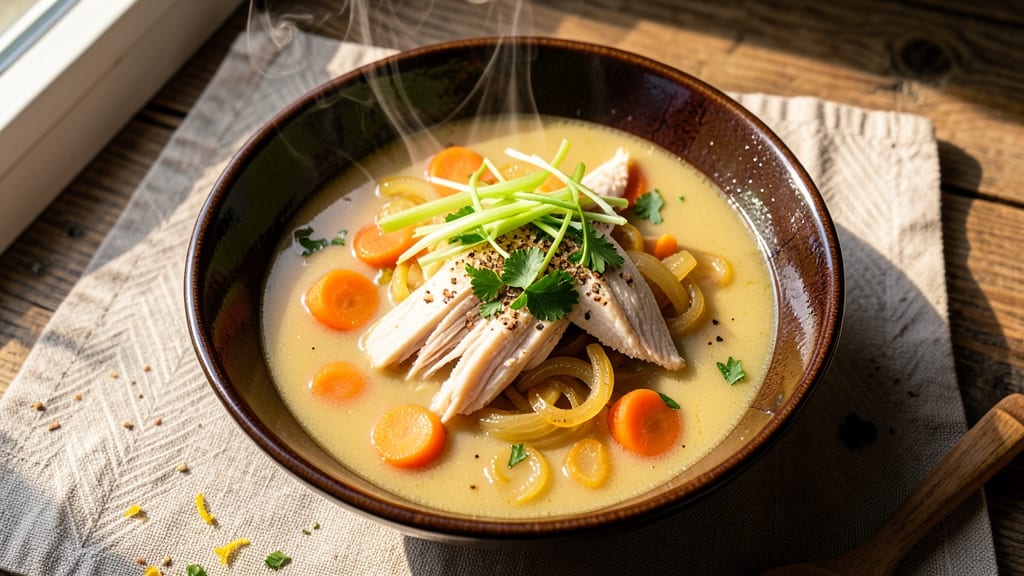
This 7-day soup recipe plan turns meal prep into a breeze while keeping your week packed with flavor. 💛 I designed it to be flexible—each soup freezes beautifully, reheats perfectly, and lets you swap ingredients based on what you have (or what’s on sale).
No more sad leftovers or boring lunches; just hearty, satisfying bowls that taste like they came from a restaurant.
The beauty of this system is that you’ll spend just one afternoon prepping ingredients, then assemble each soup in under 30 minutes. Think creamy tomato basil one day, spicy black bean the next, and hearty lentil by Thursday—all while using overlapping staples like onions, garlic, and broth to minimize waste.
The soups also scale effortlessly, so double the batches if you’re feeding a crowd or meal prepping for two.
What you’ll love most is how these soups evolve with you: add a splash of cream for richness, swap chicken for tofu, or bulk up with extra veggies. They’re foolproof, freezer-friendly, and designed to keep you from reaching for takeout.
By Sunday, you’ll have a pantry full of flavor and a week of stress-free lunches ahead.
Each recipe includes storage tips, reheating tricks, and variations to keep things exciting—because variety is the spice of life (and soup). Let’s get started with Day 1’s classic chicken noodle, and I’ll show you exactly how to build the rest of your soup lineup.
Ingredients for 7 day soup
Pantry staples meet fresh veggies for hearty, freezer-friendly soup bowls that taste like home.
| Ingredient | Amount | Notes |
|---|---|---|
| Chicken Breast 🍗 | 1 ½ lb | Boneless, skinless, diced small |
| Medium Carrots 🥕 | 3 whole | Peeled, chopped into 1/2-inch pieces |
| Yellow Onion 🧅 | 1 whole | Diced, about 1 cup |
| Garlic Cloves 🧄 | 4 cloves | Minced, or 1 tsp pre-minced |
| Celery Stalks 🧅 | 3 whole | Diced, about 1 cup |
| Chicken Broth 💧 | 6 cups | Low-sodium preferred, homemade or store-bought |
| Egg Noodles 🍜 | 2 cups | Uncooked, or 3 cups cooked |
| Fresh Parsley 🌿 | ¼ cup | Chopped, for garnish (optional) |
| Extra-Virgin Olive Oil 🫒 | 2 tbsp | For sautéing vegetables |
| Dried Thyme 🌿 | 1 tsp | Or 1 tbsp fresh thyme |
| Bay Leaves 🍃 | 2 whole | Remove before serving |
| Salt 🧂 | 1 ½ tsp | Adjust to taste, kosher preferred |
| Black Pepper 🌶️ | ½ tsp | Freshly ground preferred |
| Heavy Cream 🥛 | ¼ cup | For creaminess (optional, omit for lighter version) |
The chicken and veggie prep is where you save time. Buy pre-diced celery and carrots at stores like Trader Joe's or Whole Foods to cut your chopping in half. For the chicken, grab a family-sized pack from Costco or your regular grocery store—it’s cheaper per pound and keeps for days in the fridge. Fresh thyme is ideal, but dried works just fine if that’s what you’ve got. The key here is consistency in your veggie sizes so everything cooks evenly.
No egg noodles? Substitute brown rice or orzo—just adjust cooking times. Short on chicken? Swap in rotisserie chicken or even extra firm tofu for a vegetarian version. The heavy cream is optional, but if you’re omitting it, stir in a splash of milk at the end for richness. For extra flavor, add a pinch of red pepper flakes or a dash of Worcestershire sauce (check for vegetarian-friendly versions if needed). The broth is the base—homemade tastes best, but even the canned low-sodium stuff works in a pinch.
This soup reheats beautifully—just add a splash of water or broth if it’s too thick. Keeps for 4-5 days in the fridge or 3 months frozen. I always make a double batch on Sunday so I’ve got leftovers for lunches. Store in airtight containers, and don’t forget to label with the date. Freezing tip: Cool the soup completely before transferring to containers to avoid ice crystals. Garnish with fresh parsley right before serving—it brightens everything up!
Why You'll Love This Recipe
- No-Chop Nightmare: I swear by this—just rough-chop the onions and celery (no fancy dice needed) while the chicken simmers. The carrots? Toss them in whole for the first hour, then pull them out for easy peeling later. That’s 15 minutes saved, and no one’s judging your uneven cuts.
- Umami Bomb: The secret’s in the slow-cooked chicken and toasted garlic—juicy, tender meat that practically melts in your mouth and a garlic aroma that hits you before you even take a spoonful. Between us, this is the kind of soup that makes you close your eyes halfway through the first bowl.
- Lunchbox Hero: Between us, this is my go-to for packed lunches—just portion it into jars the night before, and you’ve got a meal that stays warm (or reheats in seconds) for three days straight. My kids actually eat their veggies this way, and honestly, that’s half the battle.
- Wallet-Friendly Staple: A single chicken breast and a bag of carrots stretch into seven servings—no fancy ingredients, no waste. I’ll be real: I’ve made this on a $10 grocery run, and it’s still the most satisfying thing on the table. Budget meals don’t have to mean boring meals.
Step-by-step instructions for easy meal-prep chicken noodle soup
This hearty soup comes together in one pot and keeps beautifully for days.
🍳 Step 1: Sauté the Vegetable Base
Heat the 2 tablespoons extra-virgin olive oil in a large pot over medium heat. Add the diced yellow onion, celery stalks, and carrots all at once. Cook for 5-6 minutes until the vegetables soften slightly and the onion becomes translucent.
Here's the thing—don't rush this step. You want the vegetables to release their natural sweetness and flavors. I stir occasionally, making sure nothing sticks to the bottom. After about 4 minutes, add the 4 cloves minced garlic and 1 teaspoon dried thyme, cooking for another 30 seconds until fragrant. That garlic aroma tells me it's time to move forward.
🍳 Step 2: Brown the Chicken and Build Flavor
Push the vegetables to one side of the pot and add the 1.5 pounds diced chicken breast to the empty space. Cook for 4-5 minutes, stirring occasionally, until the chicken develops a light golden-brown crust on all sides. This step is crucial for flavor—those browned bits will dissolve into the broth later.
I press down gently on the chicken pieces during the first minute to prevent them from curling and ensure even contact with the pan. Once the chicken is nicely browned, stir it back into the vegetables. Add the 2 whole bay leaves, 1.5 teaspoons salt, and 0.5 teaspoon black pepper, mixing everything together.
🥘 Step 3: Simmer the Broth and Cook the Noodles
Pour in the 6 cups chicken broth and bring the mixture to a gentle boil over high heat. Once boiling, reduce the heat to low-medium and let it simmer for 15 minutes. You'll see the chicken pieces start to break apart slightly—that's your signal that they're cooking through.
After 15 minutes, add the 2 cups egg noodles and continue simmering for another 8-10 minutes until the noodles are tender and the chicken is fully cooked. The soup should have a rich, aromatic smell that fills your kitchen. If it looks too thick, add a splash of water or broth to reach your desired consistency.
🔪 Step 4: Finish with Cream and Fresh Herbs
Remove the 2 bay leaves from the soup and stir in the 0.25 cup heavy cream (if using). This adds a lovely richness without overpowering the other flavors. Let the soup simmer for another 2 minutes to let the cream blend smoothly.
Taste and adjust the seasoning if needed—sometimes the broth needs a bit more salt or pepper. Stir in the 0.25 cup chopped fresh parsley just before serving. The parsley adds a bright finish that cuts through the richness of the cream and chicken. This is the moment that makes your soup feel restaurant-quality.
⏰ Step 5: Prep for Meal Prep Storage
Let the soup cool to room temperature for about 30 minutes, then transfer it to airtight containers. I like to portion it into individual servings so I can grab and reheat exactly what I need. Store in the refrigerator for up to 5 days or freeze for up to 3 months.
When reheating, warm the soup gently on the stove over medium-low heat until bubbling. Don't boil it vigorously or the noodles might get mushy. The soup actually tastes better the next day as the flavors meld together. This is the perfect make-ahead meal that saves you time all week.
Pro Tips For Making 7 Day Soup
- Sear Chicken First: Toss those raw chicken breasts in flour or cornstarch before hitting them with oil—just 3-4 minutes per side until golden. I used to skip this and ended up with bland soup; the crust locks in flavor for days. High heat, no crowding the pan.
- Cut Carrots Small: Dice those carrots into ¼-inch pieces, not thick chunks. They’ll soften evenly over seven days and won’t turn to mush in the first 48 hours. (Yes, even if it looks like overkill—trust me.)
- Salt the Pot Early: Add salt to the broth before the veggies, not after. The chicken will absorb it better, and the onions/garlic won’t taste flat. I learned this the hard way when my first batch tasted like it needed a shaker at the table.
- Use Celery Leaves: Don’t toss those scraggly celery leaves—they’re packed with flavor. Tuck them into the pot with the stalks. It’s an extra 30 seconds of prep that makes a real difference in a long-simmering soup. (Your future self will notice.)
Essential equipment for 7 day soup
Pot Essentials
Start with a large, heavy-bottomed pot—I recommend a 5-6 quart Dutch oven like the Le Creuset Signature or All-Clad Stainless Steel. These pots distribute heat evenly and prevent scorching, which is crucial for long-simmering soups.
A lid with a vent helps maintain moisture while allowing steam to escape. For extra flavor, I use a stainless steel pot because it doesn’t react with acidic ingredients like tomatoes or broth. 🔥
Knife and Cutting Tools
A sharp chef’s knife (I love the Wüsthof Classic or Victorinox Fibrox) and a cutting board (bamboo or plastic) are non-negotiable for chopping onions, carrots, and celery efficiently. For speed, I invest in a mandoline—it’s a game-changer for uniform slices of carrots and onions.
A microplane comes in handy for garlic and ginger if you’re adding those later in the week. Always keep your knife sharp; dull blades make prep messy and time-consuming.
Measuring and Mixing
Precision matters, so grab a stainless steel measuring cup set (like OXO Good Grips) for broth and noodles, and a spice scoop for thyme, salt, and pepper. A wooden spoon (for stirring) and a fine-mesh strainer (for rinsing fresh herbs) complete the basics.
For flavor adjustments, I keep a small bowl nearby to mix extra seasonings like red pepper flakes or Worcestershire sauce before adding them to the pot.
Storage Solutions
For meal prep, airtight glass containers (like Pyrex or Rubbermaid Brilliance) are ideal—they’re freezer-safe, microwave-safe, and stackable. Label each container with the date using a permanent marker to track freshness.
If freezing, use quart-sized freezer bags (like Ziploc) for individual portions—they’re space-efficient and thaw faster than bulky containers. A fine-mesh skimmer helps remove bay leaves or herbs before serving.
Reheating Tools
Reheat soup on the stovetop using a medium-sized saucepan (like Farberware Classic) to avoid overfilling. For microwave reheating, a microwave-safe bowl with a vented lid prevents splattering. I also keep a ladle and tongs handy for serving—tongs help grab noodles and veggies without overmixing.
A small whisk comes in useful if you’re adjusting consistency with extra broth or cream mid-reheat. 💫
Nutrition facts
Frequently asked questions
Can I make all 7 soups at once on Sunday?
The beauty of this plan is that you can prep all ingredients ahead of time and assemble each soup within 30 minutes when needed. Store prepped veggies in airtight containers in the fridge for up to 4 days, or freeze cooked components separately. Just thaw overnight before reheating—this keeps flavors vibrant and prevents soggy textures.
How do I adjust these recipes for dietary restrictions?
Easy swaps make these soups versatile! For vegetarian versions, replace chicken with lentils, chickpeas, or tofu. Use vegetable broth instead of chicken broth, and add extra umami with soy sauce or miso paste. For gluten-free, swap egg noodles for rice noodles or quinoa. The recipes hold up beautifully to these changes!
What's the best way to reheat frozen soup?
Thaw overnight in the fridge for best results, then reheat on the stove over medium-low heat until bubbling. For frozen portions, add 1-2 tablespoons of water or broth per cup to prevent drying out. Never microwave directly from frozen—this creates uneven heating and can make noodles mushy. Stir occasionally and adjust seasoning after reheating.
Can I use canned beans or pre-cut veggies to save time?
Yes! Canned beans (like black beans or kidney beans) work perfectly for quick prep—just rinse them first. Pre-cut veggies from stores save 20-30 minutes of chopping, though fresh veggies add better flavor. For the best balance, use pre-cut onions and carrots but add fresh celery and garlic for brightness. The key is consistency in texture so everything cooks evenly.
How do I keep the soups from getting watery when stored?
Store soups in airtight containers and press plastic wrap directly on the surface to minimize air exposure. For freezing, portion into individual servings—this prevents large blocks of ice from diluting flavors. When reheating, start with medium heat and let the soup come to temperature gradually. If it's too thin, stir in a spoonful of cornstarch mixed with water as it reheats.