
Soups & Stews
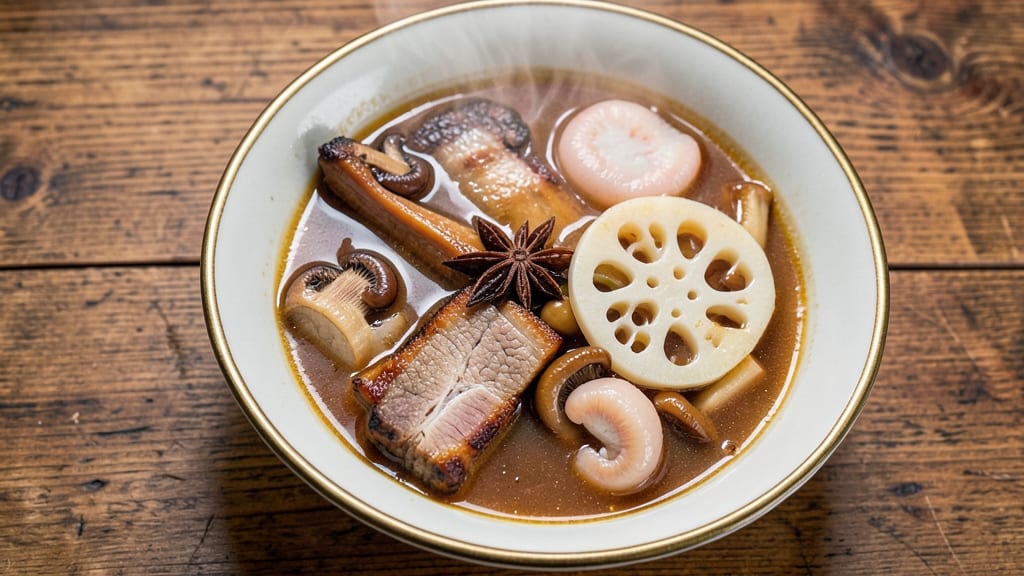
This 8 Treasure Soup recipe delivers a silky, aromatic broth packed with eight essential ingredients that balance flavors and textures perfectly. 🌟 The foundation lies in a rich pork bone broth, simmered for hours to extract deep umami, while traditional ingredients like lotus root, mushrooms, and fish balls create harmony in every spoonful.
What sets this dish apart is its ability to adapt—whether you're making a classic version or a vegetarian alternative, the technique remains the same, ensuring a nourishing, comforting meal every time.
The beauty of 8 Treasure Soup is in its versatility and cultural significance. Traditionally served during special occasions, it's a dish that brings families together, offering both warmth and nutrition.
The ingredients—each chosen for its unique texture and flavor—work together to create a broth that's silky yet substantial, with tender proteins and vegetables that melt into every sip. This recipe isn't just about following steps; it's about embracing a tradition that has been cherished for generations.
What you'll achieve is a bowl of soup that's rich in flavor and tradition, with a broth so smooth it feels like liquid silk. The combination of pork, shrimp, and fish balls adds protein, while lotus root and taro bring earthy sweetness, all balanced by the subtle bitterness of mushrooms.
The result is a dish that's as comforting as it is impressive, perfect for sharing with loved ones or treating yourself to a taste of home.
Whether you're preparing it for a celebration or a cozy weeknight dinner, this recipe delivers restaurant-quality results with a touch of cultural authenticity. The key lies in patience—letting the broth simmer slowly to develop its depth—and attention to detail in selecting and preparing each ingredient.
Let's get started on creating a bowl of warmth and tradition.
Ingredients for 8 treasure soup
Eight treasures, one silky broth—traditional flavors meet modern convenience in this timeless recipe.
| Ingredient | Amount | Notes |
|---|---|---|
| Pork Bones 🍖 | 2 lb | Marrow-rich for depth of flavor |
| Dried Shiitake Mushrooms 🍄 | 8 whole | Rehydrated for umami richness |
| Lotus Root 🌿 | 1 lb | Peeled, cut into 2-inch pieces |
| Taro Root 🥔 | 1 lb | Peeled, cut into 1-inch cubes |
| Dried King Oyster Mushrooms 🍄 | 4 whole | Rehydrated for chewy texture |
| Dried Scallops 🦪 | ½ cup | Rehydrated for delicate flavor |
| Fish Balls 🐟 | 1 package | Traditional Asian brand preferred |
| Shrimp 🦐 | ½ lb | Peeled, deveined, head-on preferred |
| Fresh Ginger 🧄 | 2 tbsp | Minced, for aromatic base |
| Green Onions 🧅 | ¼ cup | Sliced, for garnish |
| Rock Sugar 🍬 | 2 tbsp | Or substitute white sugar |
| Light Soy Sauce 🥄 | 2 tbsp | For balanced seasoning |
| Shaoxing Wine 🍷 | ½ cup | Or substitute dry sherry |
| Sesame Oil 🌰 | 1 tbsp | For finishing aroma |
The pork bones form the soul of this soup. Look for marrow-rich bones at your local Asian market—they deliver unmatched depth. Costco often carries them pre-packaged, but if you're buying whole, ask for the knuckle or femur ends. Dried mushrooms are non-negotiable for that authentic umami—Penzeys Spices carries excellent quality. For the taro and lotus root, freshness is key; both should be firm with no bruising. The dried scallops and king oyster mushrooms need rehydration time—plan ahead if you're short on it. Fish balls should be the traditional kind, not the frozen imitation varieties you find in regular grocery stores.
No Shaoxing wine? Dry sherry or mirin work beautifully—just reduce the amount by half. Substituting fresh shrimp for dried? Use 1 lb fresh shrimp for every 4 oz dried. The rock sugar can be swapped for white sugar, but it won't have the same delicate sweetness. For a vegetarian version, replace fish balls with extra-firm tofu cubes and use vegetable broth instead of pork broth. The sesame oil is purely for aroma—use the toasted kind if you can find it. Trader Joe's carries a good quality that's perfect for finishing.
This soup tastes even better the next day as flavors meld. Store in an airtight container for up to 4 days in the fridge. For longer storage, freeze portions for 3 months. The broth thickens when cold—simply reheat with a splash of water. I always make double batches because it disappears quickly. The leftovers reheat beautifully, making it perfect for meal prep. Keep the sesame oil separate until serving to preserve its delicate aroma.
Why You'll Love This Recipe
- One-Pot Magic: I swear by this recipe when I’m too tired to juggle multiple bowls. The pork bones and dried mushrooms simmer together—no separate pans, no extra cleanup—just rich, deep flavor building right in that same pot. Honestly, I’ve made it after work with a glass of wine in hand, and it still comes out restaurant-worthy.
- Umami Bomb: Between the pork bones (which melt into gelatinous goodness) and the king oyster mushrooms (that chewy, meaty texture), every spoonful is a flavor explosion. The lotus root adds a subtle sweetness, while the taro root brings that earthy, almost nutty depth—it’s the kind of soup that makes you close your eyes and sigh.
- Leftovers That Shine: This soup only gets better after a night in the fridge. The flavors meld even more, and reheating it is a breeze—just a splash of water, a quick stir, and boom, dinner’s ready. I’ll be real: my freezer is packed with portions because it’s my go-to for lazy mornings or unexpected guests.
- Budget-Friendly Luxury: Dried mushrooms and pork bones might sound fancy, but they stretch this recipe into a week’s worth of meals without breaking the bank. Between us, I’ve fed four people for under $15, and no one ever complains. It’s the kind of dish that makes you feel like you’re treating yourself, even when you’re just feeding the family.
Step-by-step instructions for silky 8 treasure soup
Master this traditional Chinese eight-ingredient broth where each component transforms into harmony.
🍳 Step 1: Char the Aromatics and Prepare the Broth Base
Heat a wok or heavy pot over medium-high heat. Add the 2 lb pork bones and sear until they develop a deep golden brown color—about 8-10 minutes. This caramelization builds the soup's foundational depth. While the bones char, peel and cut the 1 lb lotus root into 2-inch pieces and the 1 lb taro root into 1-inch cubes—these will soften beautifully during simmering.
Transfer the charred pork bones to a colander and rinse under cold water to remove surface impurities. Return them to the pot and add 8 cups cold water (enough to cover the bones by 2 inches). Bring to a rolling boil, then reduce to a gentle simmer for 1 hour. Skim off any foam that rises to the surface—this ensures a crystal-clear broth. The bones should release their marrow and collagen into the water, creating a velvety foundation.
🍳 Step 2: Rehydrate and Infuse the Dried Ingredients
While the broth simmers, prepare the dried components. In a separate bowl, soak the 8 whole dried shiitake mushrooms, 4 whole dried king oyster mushrooms, and 0.5 cup dried scallops in 4 cups hot water for 20 minutes. This rehydration process unlocks their concentrated umami flavors. After soaking, drain and reserve the soaking liquid—it's packed with flavor and will be added back later.
Add the rehydrated mushrooms and scallops to the simmering broth along with the 2 tbsp minced fresh ginger and 2 tbsp rock sugar. The sugar balances the broth's richness while enhancing the natural sweetness of the ingredients. Simmer for another 30 minutes—you'll notice the broth gradually deepening in color and aroma. The ginger will infuse its warm, citrusy notes while the mushrooms contribute their earthy complexity.
🥘 Step 3: Build Layered Texture and Flavor
Add the prepared lotus root and taro root to the pot. These starchy vegetables will absorb the broth's flavors while adding a satisfying bite. Stir gently to prevent the roots from breaking apart. Simmer for 45 minutes until the roots are fork-tender but still hold their shape. The lotus root should have a delicate, almost floral texture, while the taro will develop a creamy consistency.
In a separate pan, heat 1 tablespoon sesame oil over medium heat. Add the 0.5 lb shrimp (with shells on for extra flavor) and cook for 2-3 minutes per side until they turn pink and opaque. Remove the shrimp and set aside. In the same pan, lightly toast the 1 package fish balls for 1 minute per side until golden brown. This quick sear adds texture contrast to the silky soup.
🥘 Step 4: Finish with Signature Touches
Return the shrimp and fish balls to the broth along with the reserved soaking liquid from the dried ingredients. Add the 0.5 cup Shaoxing wine and 2 tbsp light soy sauce. Simmer for an additional 10 minutes to allow all flavors to meld together. Taste and adjust seasoning—you may need a touch more soy sauce for saltiness or a pinch of sugar if the broth tastes too acidic.
The soup is now complete but needs one final touch. Ladle the hot soup into bowls, then garnish each serving with 1 tablespoon sliced green onions. The contrast between the silky broth, tender vegetables, and delicate seafood creates a symphony of textures and flavors. Serve immediately while the ingredients are at their peak—each spoonful should deliver a perfect balance of umami, sweetness, and savory depth.
Pro Tips For Making 8 Treasure Soup
- BLANCH PORK BONES FIRST: Skip the slow start—give those pork bones a quick 5-minute boil in salted water before adding to the pot. This washes off blood and impurities, so your broth stays crystal clear instead of turning murky halfway through. (Yes, even if you're impatient like me, this step cuts down on scrubbing later.)
- SOAK MUSHROOMS SEPARATELY: Dried shiitake and king oyster mushrooms need different treatment—soak the shiitake in hot water for 20 minutes, then the king oysters in cold for 30. Hot water makes shiitake tough; cold water keeps king oysters from turning to mush. (I learned this the hard way after a gummy batch.)
- Poke the Taro Root: Before adding taro root, stab it every 2 inches with a knife—this prevents it from exploding in the pot. I’ve seen this happen more times than I’d like to admit, and it’s a mess. (Your future self will thank you.)
- ADD LOTUS ROOT LAST: Toss the lotus root in just before serving—it cooks faster than you’d think and turns to mush if left too long. Save it for the final 5 minutes, and it’ll hold its shape and texture. (Sounds weird, but it works: your soup stays elegant, not gluey.)
Dietary considerations for this recipe
Vegetarian Adaptations
To make this soup vegetarian-friendly, swap out the pork bones for a robust vegetable broth—I recommend using 10 cups of homemade or high-quality store-bought broth like Imagine or Pacific Foods. Replace fish balls with extra-firm tofu cubes (pressed and pan-fried in sesame oil) for a satisfying texture.
For protein, add 1 cup dried black beans (soaked overnight) or 1 lb firm tofu cut into cubes. The mushrooms and dried scallops remain key for umami depth, but you can boost flavor with 1 tbsp miso paste stirred in during the final simmer. 🌱
Gluten-Free Options
Traditional 8 Treasure Soup contains soy sauce, which isn't gluten-free, but there are easy workarounds. Use 2 tbsp gluten-free tamari instead of light soy sauce—it delivers the same salty depth without the gluten. For extra richness, add 1 tbsp gluten-free Worcestershire sauce (like Annie's) during the final simmer.
Always check labels on dried ingredients like mushrooms and scallops, as some brands process them in gluten-containing facilities. I’ve found Penzeys Spices and Trader Joe’s carry reliable gluten-free options. ✨
Low-Sodium Adjustments
Store-bought broths and soy sauce can pack a sodium punch, so here’s how to control it: Use low-sodium vegetable or chicken broth (or homemade) and reduce the soy sauce to 1 tbsp, then adjust to taste.
For extra flavor without salt, add 1 tsp fish sauce (if not vegetarian) or 1 tbsp coconut aminos for umami. Fresh herbs like cilantro or Thai basil brighten the broth naturally—add them at the end for a fresh, aromatic finish.
I often garnish with extra green onions to balance flavors without extra sodium. 💡
Allergen Considerations
If seafood allergies are a concern, skip the shrimp and fish balls entirely. Replace them with chicken breast (poached in the broth) or mushroom "scallops" (made from king oyster mushrooms sliced thin and pan-fried). For shellfish-free versions, ensure dried scallops are omitted or substituted with extra mushrooms.
Always double-check labels on fish balls—some brands contain hidden seafood derivatives. When in doubt, opt for homemade tofu or chicken to maintain control over ingredients. 🦐
Protein Flexibility
This soup is incredibly adaptable for different dietary needs. For a high-protein version, add 1 cup cooked quinoa or 1 lb chicken thighs (skin-on for extra richness). For plant-based protein, combine tofu, tempeh, and edamame—each brings a different texture.
If you’re avoiding pork, use beef bones (like marrow or short ribs) for a deeper, meatier broth. I’ve even made a lacto-vegetarian version with paneer cubes for a creamy contrast. The key is balancing textures—always include at least two protein sources for a satisfying bowl. 💪
Nutrition facts
Frequently asked questions
What makes this soup different from other Chinese soups?
This recipe features the classic "eight treasures" concept—each ingredient (like lotus root, mushrooms, and fish balls) contributes a unique texture and flavor that creates a harmonious balance. The slow-simmered pork bone broth builds rich umami, while the combination of fresh and dried ingredients delivers both depth and freshness that sets it apart from simpler broth-based soups.
Can I make this soup without pork?
For a vegetarian version, use vegetable broth and substitute fish balls with tofu cubes. You can also use beef bones instead of pork for a meatier flavor. The key is maintaining the eight-ingredient concept while adapting proteins to your dietary needs—just ensure you're still getting that essential umami from mushrooms and dried ingredients.
How do I know when the lotus root and taro are cooked?
Both should be fork-tender but still hold their shape when pierced with a fork. The lotus root should have a delicate, almost floral texture, while the taro should be soft enough to easily mash with a fork. If they're still slightly firm after 45 minutes of simmering, give them another 10-15 minutes—they'll continue cooking in the hot broth.
What's the best way to store leftovers?
Store in an airtight container in the refrigerator for up to 4 days. The broth actually tastes better the next day as flavors meld! For longer storage, freeze portions for 3 months. When reheating, add a splash of water to prevent the broth from thickening too much—it should be silky, not gluey.
Can I substitute any of the dried ingredients?
While traditional ingredients are ideal, you can make substitutions with similar textures. For example, swap dried scallops with extra mushrooms or dried shrimp (if not avoiding seafood). For king oyster mushrooms, try wood ear mushrooms—just adjust cooking times as they have different textures. The key is maintaining that balance of umami and chewiness in your eight treasures.