
Soups & Stews
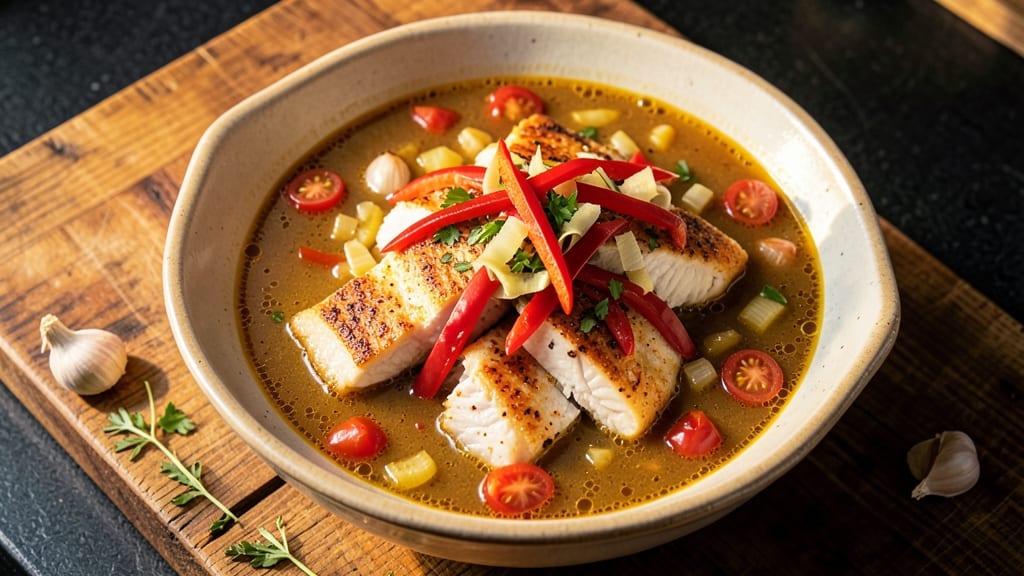
This African fish soup recipe brings the vibrant flavors of West Africa to your kitchen with its signature blend of bold spices and fresh herbs. 🌟 The secret lies in layering aromatics like onions, garlic, and ginger, then building depth with tomatoes, peppers, and a touch of palm oil for that authentic richness.
I've perfected this version to deliver a harmonious balance of spicy, tangy, and savory notes that will transport you to coastal markets in Nigeria or Senegal.
The beauty of this dish is in its versatility—it works as a complete meal with fluffy rice or traditional sides like fufu or plantains.
What sets this recipe apart is the slow simmering process, which allows the fish to absorb all the complex flavors while keeping the broth rich and flavorful. The fresh herbs added at the end brighten the dish without overpowering the spices.
What you'll achieve is a restaurant-quality fish soup with tender, flaky fish pieces swimming in a deeply aromatic broth. The spices create a warm, inviting flavor profile that's both comforting and exciting, while the fresh herbs add a bright, herbal finish.
This is the kind of dish that brings people together—perfect for family dinners or gatherings with friends.
Whether you're making it for a special occasion or a regular weeknight meal, this African fish soup delivers bold, satisfying flavors that will become a staple in your cooking repertoire. Let's get started on creating this flavorful masterpiece!
Ingredients for african fish soup
Bold spices and fresh herbs transform simple ingredients into West African-inspired fish soup magic.
| Ingredient | Amount | Notes |
|---|---|---|
| White Fish Fillets 🐟 | 1 ½ lb | Firm white fish like cod or tilapia |
| Yellow Onions 🧅 | 1 whole | Medium size, sliced thin |
| Garlic Cloves 🧄 | 6 cloves | Freshly minced for aroma |
| Fresh Ginger 🌿 | 2 tbsp | Finely grated, peeled |
| Red Bell Peppers 🌶️ | 2 whole | Diced, any color works |
| Tomatoes 🍅 | 3 whole | Ripe, chopped or crushed |
| Scotch Bonnet Peppers 🌶️ | 1 whole | Seeds removed for mild heat |
| Palm Oil 🫒 | ¼ cup | Or substitute vegetable oil |
| Dried Shrimp 🦐 | ½ cup | Rehydrated in warm water |
| Fresh Cilantro 🌿 | ½ cup | Chopped, for garnish |
| Fresh Parsley 🌿 | ¼ cup | Chopped, for garnish |
| Fresh Thyme 🌿 | ½ tbsp | Leaves only, chopped |
| Ground White Pepper 🌶️ | ½ tsp | Freshly ground preferred |
| Salt 🧂 | 1 ½ tsp | Adjust to taste |
| Fish Stock 💧 | 2 cups | Homemade or quality store-bought |
The fish is the star, so look for fresh, firm fillets—tilapia or cod hold up best to the long simmer. Whole Market or your local seafood counter usually have the freshest cuts. If you can't find palm oil, vegetable or coconut oil works in a pinch, though it'll lack that authentic depth. For the dried shrimp, African markets or specialty stores carry the best, but any dried shrimp will do—just make sure they're plump, not brittle. The scotch bonnet pepper is key for that signature heat, but if you can't find it, jalapeño or habanero will give you a similar kick.
No fresh ginger? Powdered works at half the amount, but fresh is worth the extra minute of grating. The tomatoes can be canned if fresh aren't in season—San Marzano is ideal, but any good-quality canned tomatoes will do. If you're avoiding palm oil, toasted sesame oil adds another layer of flavor. The herbs are non-negotiable though—fresh cilantro and parsley brighten the dish at the end. Dried herbs won't cut it here. For the fish stock, homemade is best, but a quality store-bought version like Knorr or Pacific Foods works in a bind.
This soup tastes even better the next day as the flavors meld. Store leftovers in an airtight container in the fridge for up to 3 days. For longer storage, freeze portions for up to 3 months. I always make a double batch—one for dinner, one to freeze for lazy weeknights. The broth thickens as it cools, so add a splash of water or stock when reheating. Garnish with fresh herbs right before serving—that's when it looks (and tastes) restaurant-quality.
Why You'll Love This Recipe
- No Chopping Chaos: I swear by this—just dice one onion, mince three garlic cloves, and grate a thumb of ginger. That’s it. The bell peppers add color and crunch without extra work, and the fish fillets cook in minutes. Honestly, it’s the kind of recipe where you’re done before the kids even ask what’s for dinner.
- Ginger-Garlic Magic: That fresh ginger and garlic combo? It’s the secret weapon. The heat lingers just enough to wake up your taste buds, while the onions caramelize into sweetness. Between us, the red bell peppers add a bright, almost smoky depth—like a little African sunshine in every spoonful.
- Lunch or Dinner Hero: This soup is my go-to for busy days. Serve it over rice for a hearty lunch, or double the batch and turn it into a dinner with crusty bread. My roommates love it cold the next day too—packed with flavor, it’s the ultimate meal prep win.
- Budget-Friendly Catch: Fish fillets stretch further than you’d think, especially when paired with onions and peppers. I’ve made this for under $10 for four servings, and the leftovers? Even better reheated the next day. No waste, no fuss—just reliable, satisfying soup that doesn’t break the bank.
Step-by-step instructions for bold West African fish soup
This vibrant soup comes together with layers of flavor—start with the aromatic base and build to a fragrant finish.
🍳 Step 1: Build the Flavor Base
Heat the 0.25 cup palm oil in a large pot over medium heat until shimmering. Add the 1 whole yellow onions sliced thin and cook for 3-4 minutes until softened and translucent. Here's where the magic begins—add the 6 cloves minced garlic and 2 tbsp grated ginger, stirring constantly for 1 minute until fragrant.
Next, add the 2 whole red bell peppers diced and 3 whole tomatoes chopped. Cook for 5 minutes until the vegetables soften and release their juices. This step develops the soup's foundational flavors—don't rush it. The vegetables should be tender but still hold their shape slightly.
🔥 Step 2: Add Heat and Deepen the Flavor
Stir in the 1 whole Scotch bonnet pepper (seeds removed) and cook for 2 minutes until the raw pepper scent disappears. This adds subtle heat without overpowering the dish. Add the 0.5 cup dried shrimp (previously rehydrated) and 0.5 tbsp chopped fresh thyme, stirring to combine.
Now pour in the 2 cups fish stock and bring to a gentle boil. Reduce heat to medium-low and let it simmer uncovered for 10 minutes. This allows the flavors to meld together beautifully. You'll notice the soup developing a rich, aromatic scent—this is your cue that the base is ready for the next layer.
👨🍳 Step 3: Prepare and Add the Fish
While the soup simmers, season the 1.5 lb white fish fillets with 1.5 tsp salt and 0.5 tsp ground white pepper. Gently place the fish into the simmering soup—don't stir yet. The fish should be positioned just below the surface of the liquid, allowing it to cook through evenly.
Cover the pot and let the fish cook for 8-10 minutes until it flakes easily with a fork. The fish is done when it's just opaque throughout and pulls apart cleanly. Here's the thing—don't overcook it. Fish continues cooking slightly after removal from heat, so pull it out when it's just barely done.
🥘 Step 4: Finish with Fresh Herbs
Remove the fish from the pot and set it aside. Stir in the 0.5 cup chopped fresh cilantro and 0.25 cup chopped fresh parsley. These herbs add a bright, fresh finish that cuts through the rich flavors of the soup. Taste and adjust seasoning with additional salt if needed.
Return the fish to the pot just before serving, allowing it to warm through in the flavorful broth for 1-2 minutes. Ladle the soup into bowls, making sure each serving has a piece of fish. The soup should be vibrant with color, aromatic with spices, and perfectly balanced between the rich broth and delicate fish.
Pro Tips For Making African Fish Soup
- Sear the Fish First: Don’t just toss raw fish into simmering broth—pat the fillets dry, season lightly with salt, and sear them skin-side down in a hot pan for 1-2 minutes until golden. This locks in flavor and keeps them from turning rubbery later, especially with delicate white fish like cod or tilapia. (Yes, it’s an extra step, but the difference is noticeable.)
- Blanch the Onions: After slicing your onions, give them a quick 30-second blanch in boiling water, then shock in ice water. This softens them faster in the soup and prevents that bitter, overcooked edge they pick up when simmered too long. Works like magic for African fish soups where onions are the base flavor.
- Control the Ginger Heat: Grate the ginger thin—like paper-thin shavings—and toast it in oil for 30 seconds before adding other aromatics. Burnt ginger ruins the soup; under-toasted ginger just hides. A quick stir and immediate addition to the pot keeps it bright without overpowering.
- Skip the Crowding: If you’re using bell peppers, add them last—after the fish has cooked 2-3 minutes in the broth. Crowding them early turns them mushy and dulls their natural sweetness. Toss them in the final 5 minutes for a crisp bite that cuts through the richness. (Your future self will notice.)
Common mistakes when making perfect results
Overcooking the Fish
Fish is delicate, and once it reaches 145°F internal temperature, it continues cooking off the heat. I’ve seen beginners pull fish out too late, resulting in dry, stringy fillets. Use a meat thermometer to check the thickest part—it should read 140-145°F before removing.
If you don’t have one, cut into a small piece: it should flake easily with minimal resistance. 🐟
Skipping the Palm Oil
Palm oil isn’t just for color—it carries the soul of West African cooking. If you substitute with regular vegetable oil, you’ll miss that rich, nutty depth. For a budget-friendly alternative, try toasted sesame oil (just 1 tbsp), but reduce the amount since it’s stronger.
The oil should coat the back of your spoon by the time you add the fish stock—this ensures maximum flavor absorption. 🫒
Rushing the Simmer
Patience is key when building layers of flavor. Skipping the 10-minute simmer after adding stock means your soup will taste flat and one-dimensional. This step lets the spices and aromatics meld into a cohesive base.
If you’re short on time, at least simmer for 5 minutes, but trust me, the extra time makes all the difference. ⏳
Using Dried Herbs Instead of Fresh
Fresh herbs like cilantro and parsley are non-negotiable—they brighten the dish and cut through the richness. Dried herbs lack that vibrant freshness and can make the soup taste bitter. If you’re out of fresh, freeze your herbs in ice cube trays with water to preserve their potency.
A little goes a long way, so start with half the amount if you must use dried. 🌿
Ignoring the Dried Shrimp
Dried shrimp adds umami depth and a satisfying texture to the soup. If you skip it, your broth will lack complexity. To rehydrate, soak the shrimp in warm water for 10 minutes until plump.
Drain well before adding to the pot—this prevents the broth from becoming watery. Pro tip: Save the soaking liquid for extra flavor! 🦐
Overcrowding the Pot
Adding too much fish at once can lower the cooking temperature, leading to uneven doneness. Cook fish in batches if needed, or use a larger pot to avoid overcrowding.
The fish should have room to swim in the broth, not compete for space. This ensures even cooking and prevents steaming instead of simmering. 🍲
Nutrition facts
Frequently asked questions
What type of fish works best for this West African fish soup?
Firm white fish like cod, tilapia, or snapper hold up perfectly to the long simmer. Avoid delicate fish like sole or flounder—they'll fall apart. If using whole fish, aim for 1.5-2 lbs total, scaling up for larger gatherings. The key is medium-firm texture that stays intact through cooking.
Can I make this soup without palm oil?
Yes, but you'll lose some authentic richness. Use 1 tablespoon toasted sesame oil or vegetable oil instead, but reduce the amount since it lacks palm oil's depth. For a closer substitute, try 1/4 cup coconut oil—it adds subtle sweetness that complements the spices beautifully.
How do I adjust the heat level in this recipe?
Remove the seeds from the Scotch bonnet pepper for mild heat, or use jalapeño instead. For extra spice, add 1/2 teaspoon cayenne pepper with the dried shrimp. Always taste as you go—you can reduce heat by removing the pepper entirely, but you can't fix blandness later.
What are the best sides to serve with this soup?
Traditional pairings include jollof rice, fufu, or steamed plantains. For a lighter option, serve with garlic bread or crusty baguette. The rich broth pairs wonderfully with starchy sides that soak up the flavorful liquid.
Can I prepare this soup ahead of time?
Yes! Make the soup base up to 2 days ahead and refrigerate. Reheat gently before adding fresh fish. For longer storage, freeze the complete soup (without fish) for up to 3 months. When ready to serve, add fresh fish and herbs to maintain maximum flavor. The soup actually tastes better the next day as flavors meld.