
Soups & Stews
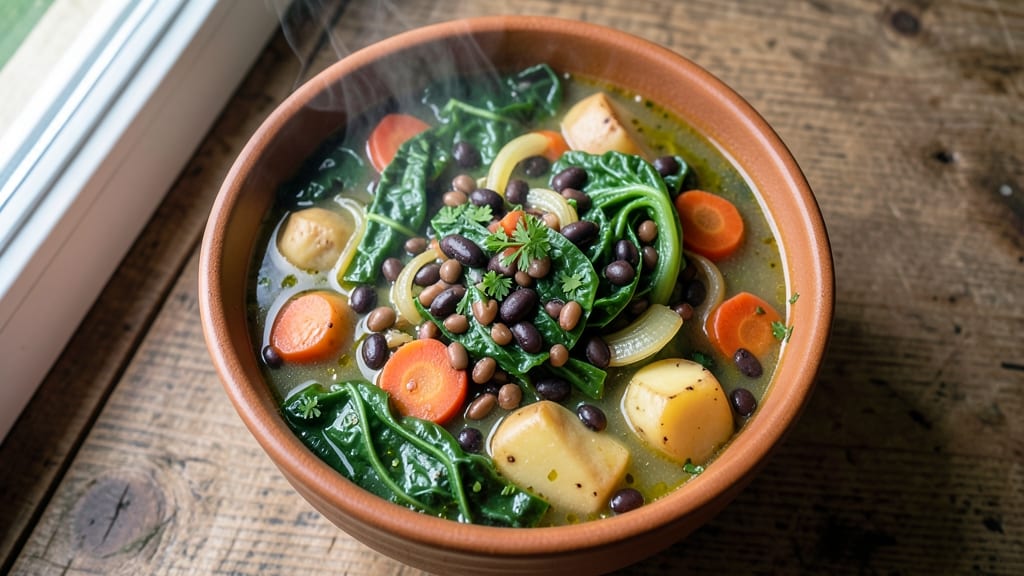
This all-you-can-eat cabbage soup recipe is my secret weapon for satisfying hunger without weighing me down—perfect for diet days when you still crave hearty portions. 🌿 The magic lies in the combination of hearty vegetables, fiber-rich beans, and flavorful broth that stretches into generous servings while keeping calories in check.
I developed this recipe after realizing most "light" soups leave me still hungry, so I focused on ingredients that bulk up the bowl without the guilt.
What makes this soup truly special is how it balances nutrition and satisfaction. Cabbage, carrots, and potatoes create a satisfying texture, while black beans and lentils add protein to keep you full for hours.
The secret to that rich, savory flavor comes from roasting the vegetables first—it deepens the taste without adding fat. Plus, it's easy to adapt for vegan diets by swapping chicken broth for vegetable broth, so everyone at the table can enjoy it.
By the time you finish this recipe, you'll have a steaming pot of soup that's filling enough to eat as much as you want—without the bloating or heavy feeling.
The broth is packed with flavor, the vegetables are tender yet still hold their shape, and the beans add heartiness that makes it a complete meal. It's the kind of soup that disappears quickly, leaving everyone asking for seconds.
Serve it with crusty bread for dipping or as a standalone meal that feels indulgent but won't derail your diet. Here's how to make it—simple steps that result in a restaurant-quality bowl of soup at home.
Ingredients for all you can eat cabbage soup
Six hearty ingredients stretch into six satisfying bowls—perfect for diet days when hunger hits hard.
| Ingredient | Amount | Notes |
|---|---|---|
| Green Cabbage 🥬 | 3 lb | Shredded, core removed |
| Yellow Onion 🧅 | 2 whole | Chopped, medium size |
| Carrots 🥕 | 3 lb | Peeled, sliced into rounds |
| Russet Potatoes 🥔 | 2 lb | Peeled, cubed small |
| Black Beans 🫘 | 1 ½ cups | Cooked, drained, rinsed |
| Brown Lentils 🌱 | 1 cup | Rinsed, dry |
| Chicken Broth 💧 | 6 cups | Low-sodium preferred |
| Vegetable Oil 🫒 | ¼ cup | For roasting vegetables |
| Garlic Cloves 🧄 | 6 cloves | Minced, fresh preferred |
| Cumin Seeds 🌿 | 1 tbsp | Toasted lightly |
| Ground Cumin 🌿 | 1 tsp | For extra depth |
| Dried Thyme 🌿 | 1 tsp | Or 1 tbsp fresh |
| Bay Leaves 🌿 | 2 whole | Remove before serving |
| Salt 🧂 | 1 ½ tsp | Adjust to taste |
| Black Pepper 🌶️ | ½ tsp | Freshly ground |
| Apple Cider Vinegar 🍎 | 1 tbsp | Brightens flavors |
| Fresh Parsley 🌿 | ¼ cup | Chopped, for garnish |
The cabbage is the star here—green cabbage has more crunch and stays fresher longer than red. Grab a whole head from Trader Joe's or your local grocery store's produce section (they usually have pre-shredded, but I always buy whole and chop it myself). The potatoes are key for that hearty texture—Russet potatoes hold up best to roasting. For the beans and lentils, dry lentils take longer but have better texture than canned. If you're short on time, no-salt-added canned beans work in a pinch. The broth? Low-sodium chicken broth keeps calories down while keeping flavor high—Pacific Foods is my go-to brand for clean ingredients.
No chicken broth? Vegetable broth works perfectly—this soup is already vegetarian-friendly. Short on lentils? Substitute an extra cup of black beans or add white beans for creaminess. The cumin seeds are non-negotiable—they toast up beautifully and add that earthy depth. Toast them in a dry pan for 30 seconds before adding to the soup. For the vinegar, lemon juice works too, but apple cider vinegar gives that classic tang. The parsley is just for garnish, so dried parsley at half the amount is fine if you're in a hurry. And if you're making this vegan? Just swap the chicken broth for vegetable broth—no other changes needed.
This soup tastes even better the next day—make a double batch and freeze half for lazy lunches. Store it in the fridge for up to 5 days, or freeze portions for 3 months. The vegetables keep their texture perfectly when reheated gently. I always portion mine into thermos containers for work lunches—it stays hot for hours. The broth reduces slightly when reheated, so add a splash of water if it gets too thick. Perfect for meal prep—just reheat and serve!
Why You'll Love This Recipe
- One-Pot Magic: I swear by this recipe—just toss everything into one pot, add water, and let it simmer. No fancy steps, no last-minute scrambling for extra bowls. The cabbage softens while the potatoes and carrots melt into that perfect, hearty texture.
- Creamy, Earthy, Addictive: That mix of black beans and potatoes? It’s like a hug in a bowl. The onions caramelize just enough to add depth, and the cabbage keeps it fresh—never boring. Honestly, I’ve made it three times this week and still can’t stop.
- Lunchbox Hero: Between us, this soup is my go-to for meal prep. Pack it cold or reheat it—either way, it’s a solid lunch. The potatoes stay hearty, the beans add protein, and the cabbage keeps it from getting soggy. My kids actually eat their veggies (yes, really).
- Budget-Friendly Feast: A whole head of cabbage, a bag of potatoes, and a can of beans? This feeds four for under $5. The leftovers taste just as good the next day—perfect for when you’re trying to stretch groceries without sacrificing flavor. Not the prettiest, but the taste makes up for it.
Step-by-step instructions for all-you-can-eat cabbage soup
Here's how to create a hearty, satisfying soup that's light enough for diet days.
🔥 Step 1: Roast the Vegetables for Deep Flavor
Preheat your oven to 400°F and line two large baking sheets with parchment paper. In a large bowl, toss the 3 lb green cabbage, 3 lb carrots, and 2 lb russet potatoes with 0.25 cup vegetable oil, 1.5 tsp salt, and 0.5 tsp black pepper until evenly coated. Spread them out in a single layer on the baking sheets—crowding will steam instead of roast.
Roast for 30-35 minutes until the edges are golden brown and the potatoes start to soften. You'll know it's perfect when the cabbage leaves begin to crisp slightly at the edges. This roasting step builds incredible depth of flavor that simmering alone can't match. I like to stir the vegetables halfway through for even browning.
🍳 Step 2: Sauté Aromatics and Toast Spices
While the vegetables roast, heat a large Dutch oven over medium heat. Add the 2 whole yellow onion and cook for 5-6 minutes until softened and just starting to caramelize. Add the 6 cloves garlic cloves and cook for another 30 seconds until fragrant—don't let it burn, or you'll get bitter flavors.
In a small dry skillet, toast the 1 tbsp cumin seeds over medium heat for 1-2 minutes until they release their aroma and begin to darken slightly. Immediately transfer them to a spice grinder and grind with the 1 tsp ground cumin and 1 tsp dried thyme. This toasted spice blend will add warmth that's essential for balancing the soup's earthy vegetables.
🥘 Step 3: Build the Soup Base
Add the roasted vegetables to the Dutch oven along with the 6 cups chicken broth, 1 tbsp apple cider vinegar, and the toasted spice mixture. Bring to a boil, then reduce heat to medium-low and let it simmer for 20 minutes. This initial simmer helps break down the vegetables and infuse the broth with their flavors.
Add the 1.5 cups black beans and 1 cup brown lentils along with the 2 whole bay leaves. Return to a simmer and cook for another 25-30 minutes until the lentils are tender but still hold their shape. The soup should have thickened slightly, but still be brothy enough to ladle easily. If it's too thick, add a splash of water or more broth.
⏰ Step 4: Finish and Season Perfectly
Remove the 2 bay leaves and adjust the seasoning with additional salt and black pepper if needed. The soup should taste balanced—earthy from the vegetables, warm from the spices, and bright from the vinegar. Taste as you go; it's easier to adjust now than later.
For the final touch, stir in the 0.25 cup fresh parsley just before serving. The parsley adds freshness that cuts through the richness of the roasted vegetables. Serve immediately with crusty bread or a side salad—this soup is best enjoyed while hot, when all the flavors are at their peak.
Pro Tips For Making All You Can Eat Cabbage Soup
- CHAR THE ONIONS FIRST: I learned this the hard way—rushing the onions means they’ll turn bitter or even burn before the cabbage gets a chance to soften. Sear them in a dry pot over medium-high heat for 8-10 minutes until they’re deep golden, not just translucent. That caramelized base is what makes this soup sing, especially when paired with the beans and potatoes later.
- COOK POTATOES SEPARATELY: Russets break down into mush if simmered too long with the cabbage. Boil them whole in salted water for 10-12 minutes until fork-tender, then add them to the soup in the last 15 minutes. This keeps their texture firm and prevents a gluey consistency—trust me, your spoon will thank you.
- CHOP CABBAGE UNIFORMLY: Big chunks stay crunchy; tiny shreds turn to sludge. Aim for ¼-inch slices and cut them into even strips—like matchsticks, but not too thin. The cabbage should soften but still hold its shape by the end. (Yes, even if you’re impatient like me, resist the urge to over-chop.)
- SALT THE BEANS EARLY: Dump those black beans straight from the can into the soup before the final simmer. The salt helps break down their skins slightly, making them creamier and more flavorful. Skip this, and you’ll end up with a soup that tastes like two separate dishes—one savory, one bland.
Troubleshooting this dish
Mushy Vegetables
Overcooking is the #1 reason cabbage soup turns into a sad, watery mush. The key is timing—roast the vegetables until just tender (30-35 minutes at 400°F) and simmer the soup for only 20-30 minutes after adding beans and lentils.
I've found that Russet potatoes and green cabbage hold up best when roasted first—they develop flavor without falling apart. If your soup looks too thin, resist the urge to add more broth; instead, let it reduce naturally or mash a few potatoes slightly to thicken it. 🥔
Bland Flavor Profile
Skipping the roasting step or using pre-shredded cabbage kills the depth of flavor. Always roast your vegetables first—this caramelization is what makes the difference between good and great soup.
For extra punch, toast your cumin seeds until they darken slightly (about 1-2 minutes in a dry pan), then grind them fresh with the ground cumin. The apple cider vinegar is non-negotiable too—it brightens the earthy vegetables and balances the richness.
If your soup tastes flat, add a splash more vinegar or a pinch of smoked paprika for complexity.
Lentils Too Hard
Undercooked lentils ruin the texture of your soup. Brown lentils need 25-30 minutes of simmering to reach perfect tenderness—start checking at 20 minutes if you're worried. For extra insurance, soak them for 30 minutes before adding to the pot.
If they're still firm, add ½ cup water and simmer another 10 minutes. Pro tip: Use dry lentils instead of canned—they hold their shape better and absorb flavors more effectively. 🌱
Broth Too Salty
Low-sodium broth is your best friend here, but if you're using regular broth, you'll need to adjust. Start with ½ tsp salt instead of 1.5 tsp when seasoning the roasted vegetables, then taste the soup before adding the full amount. For extra control, add the remaining salt gradually while simmering.
If your broth is still too salty, dilute with ½ cup water or add a potato wedge to absorb excess salt during simmering. The goal is a balanced flavor where the vegetables and spices shine.
Soup Too Thick
Thick soup happens when the vegetables release too much starch or the broth reduces too much. If this occurs, don't panic—simply add ½ cup water or broth at a time while stirring until you reach the desired consistency.
For a creamier texture without thinning, mash ½ cup of the potatoes directly in the pot. The natural starch from the potatoes will thicken the soup without altering the flavor.
I've also had success adding 1 tbsp cornstarch mixed with 2 tbsp cold water and stirring it in—just be sure to remove a small portion first to test the consistency.
Vegetables Floating
Floating vegetables mean your soup isn't dense enough to hold them down. The fix is simple: stir in ½ cup cooked beans or lentils (or even a spoonful of mashed potatoes) to weigh them down.
For future batches, ensure your vegetables are cut into even, medium-sized pieces—no larger than 1-inch chunks. If you're using a Dutch oven, cook on medium-low heat to prevent excessive bubbling. The soup should simmer gently, not boil vigorously, which helps keep the vegetables submerged. 🥕
Nutrition facts
Frequently asked questions
Can I make this cabbage soup vegan?
Simply swap the chicken broth for vegetable broth—no other ingredients need changing. The beans, lentils, and roasted vegetables provide all the protein and heartiness you need. For extra flavor, add a splash of soy sauce or miso paste while simmering.
How do I make this soup even more filling?
Add ½ cup cooked quinoa or ½ cup diced sweet potatoes to the roasted vegetables before simmering. For extra protein, stir in ½ cup cooked chickpeas with the beans. The key is layering textures—crispy roasted veggies, tender lentils, and starchy additions like potatoes or quinoa create that satisfying "all-you-can-eat" feeling.
Can I prep this soup ahead of time?
Yes! Roast all vegetables in advance and store them in the fridge for up to 3 days or freeze them for 3 months. When ready to cook, simply sauté the onions and garlic, then add everything to the pot with fresh broth. The flavors actually improve after resting—this soup tastes even better the next day! For meal prep, portion into thermoses or containers and reheat with a splash of water.
What if I don't have a Dutch oven?
Use a large pot with a tight-fitting lid—just make sure it's deep enough to handle the 6 cups of broth and all the vegetables. If your pot is shallow, reduce the broth by 1 cup to prevent overflowing. For even cooking, stir occasionally and check for doneness at the 20-minute mark. A heavy-bottomed pot works best to prevent scorching.
How do I serve this as a complete meal?
Pair it with crusty whole-grain bread for dipping or a simple side salad with lemon vinaigrette. For extra staying power, serve with steamed greens or roasted garlic bread. The soup's fiber and protein content makes it a complete meal on its own, but these additions round out the plate beautifully.