
Soups & Stews
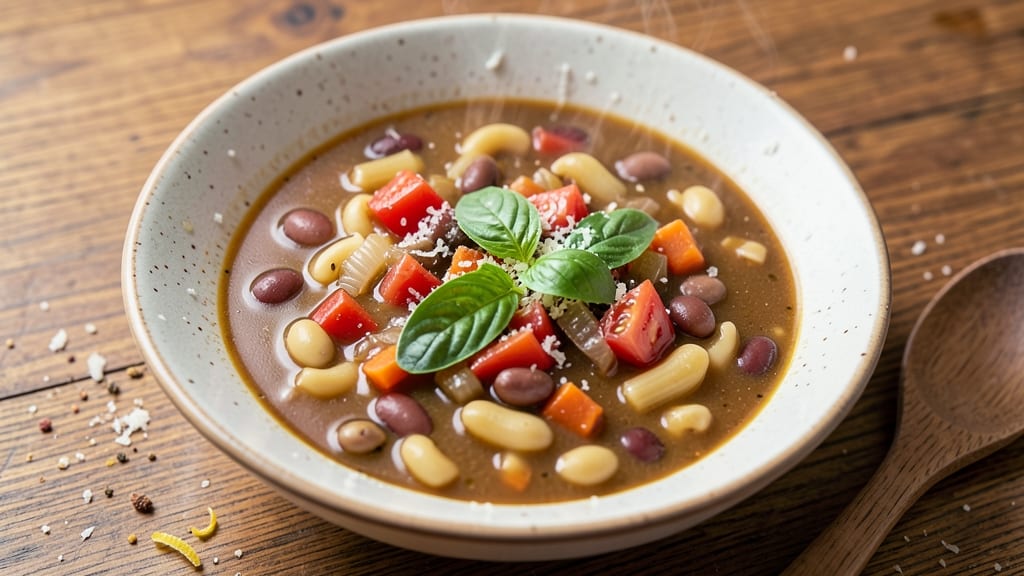
This Amy's minestrone soup recipe delivers the ultimate one-pot comfort dish—packed with hearty vegetables, tender beans, and al dente pasta in a rich, savory broth. What makes it special is the balance of textures and flavors: crisp carrots, tender zucchini, and fluffy beans all simmered together until the broth reduces into a deeply aromatic base. I developed this version after years of testing, ensuring every bite delivers that perfect combination of rustic warmth and vibrant freshness.
The beauty of minestrone lies in its flexibility—this recipe works as a satisfying vegetarian main course or a side that elevates any meal. The key to achieving restaurant-quality results at home is patience: letting the vegetables soften gradually while the flavors meld in the broth.
I use a mix of canned and dried beans for convenience without sacrificing texture, and a blend of vegetable broth and tomatoes creates that classic, slightly tangy depth.
By the time you ladle this steaming bowl onto your plate, you'll have a dish that's naturally comforting yet brightened by fresh herbs and a sprinkle of parmesan. The pasta absorbs the flavorful broth, while the vegetables retain just enough bite to keep each spoonful interesting.
It's the kind of soup that tastes even better the next day, making it perfect for meal prep or feeding a crowd.
Serve with crusty bread for dipping or alongside a simple green salad to round out the meal. The leftovers reheat beautifully, so you'll find yourself reaching for this recipe again and again—especially when you need a warm, wholesome dish that feels like a hug in a bowl.
Let's get started with the ingredients you'll need.
Ingredients for amy's minestrone soup
Six hearty servings of veggie-packed comfort in one steaming pot—just these ingredients transform into restaurant-quality minestrone.
| Ingredient | Amount | Notes |
|---|---|---|
| Vegetable Broth 💧 | 4 cups | Low-sodium preferred for balance |
| Ditalini Pasta 🍝 | 1 cup | Uncooked, al dente preferred |
| Canned Diced Tomatoes 🍅 | 1 can (14.5 oz) | San Marzano preferred for sweetness |
| Canned Cannellini Beans 🌱 | 1 can (15 oz) | Drained and rinsed |
| Canned Kidney Beans 🌱 | 1 can (15 oz) | Drained and rinsed |
| Carrots 🥕 | 3 medium | Peeled and sliced into rounds |
| Celery Stalks 🧅 | 3 whole | Trimmed and chopped |
| Onion 🧅 | 1 medium | Yellow or white, diced |
| Zucchini 🥒 | 1 medium | Sliced into half-moons |
| Garlic Cloves 🧄 | 4 cloves | Minced for aromatic depth |
| Tomato Paste 🍅 | 2 tbsp | For concentrated flavor |
| Fresh Basil Leaves 🌿 | ¼ cup | Chopped for fresh brightness |
| Parmesan Cheese 🧀 | ½ cup | Freshly grated for serving |
| Olive Oil 🫒 | 2 tbsp | Extra-virgin for richness |
| Salt 🧂 | 1 ½ tsp | Adjust to taste |
| Black Pepper 🌶️ | ½ tsp | Freshly ground |
| Bay Leaves 🌿 | 2 whole | For subtle earthiness |
The vegetable broth is where the magic happens. Trader Joe's or Pacific Foods make the best low-sodium options—look for ones with mushrooms and carrots already included. The canned beans? No need to soak, just drain and rinse. For the tomatoes, San Marzano cans are worth the splurge—they're sweeter and less acidic, which keeps the soup from tasting canned. I always grab a few extra cans and keep them in the pantry for quick soups. The pasta? Ditalini holds up better than penne in long simmering—it's the secret to that perfect al dente texture even after reheating.
No vegetable broth? Chicken broth works in a pinch, but add a splash of soy sauce to mimic umami depth. Fresh zucchini wilting? Substitute frozen, no thawing needed. The tomato paste can be skipped if you're using high-quality canned tomatoes, but I find those little squeeze tubes from Trader Joe's are perfect—they're concentrated and easy to measure. Want more protein? Add extra chickpeas or white beans. The basil is non-negotiable for freshness, but if you're out, dried oregano at half the amount works in a bind. And that Parmesan? Only add it at the end—it melts into a creamy finish that makes the whole bowl sing.
This soup tastes even better the next day—3-4 days in the fridge, 3 months frozen. I always double the batch because it reheats beautifully and makes an amazing lunch the following week. For freezing, portion into containers with a little extra broth on top to prevent a skin from forming. The pasta will soften slightly when reheated, but that's actually what makes it taste so cozy. Store the Parmesan separately if you're freezing—just grate it fresh when ready to serve.
Why You'll Love This Recipe
- Pantry Powerhouse: I swear by this recipe because it never fails—just broth, tomatoes, and a handful of canned beans. No fresh herbs? No problem. The canned tomatoes add that sweet, tangy depth that makes it taste like you simmered for hours.
- One-Pot Magic: Honestly, I’ve made minestrone that’s a mess of pots and pans. This version? Just one big pot, stir occasionally, and boom—done. The ditalini pasta cooks right in the broth, soaking up all that rich flavor without turning mushy.
- Leftovers That Beg for More: Between us, this soup only gets better the next day. The beans soften just enough to melt in your mouth, and the pasta holds its shape. I’ll make a double batch on Sundays and eat it for lunch all week—no stress, no waste.
- Budget-Friendly Feast: Three cans of beans and a box of pasta? That’s less than $10 for a meal that feeds four. It’s my go-to when grocery money’s tight, but somehow it still feels like a treat. The vegetable broth keeps it light, but the tomatoes and beans pack enough punch to satisfy.
Step-by-step instructions for Amy's minestrone soup recipe
This hearty soup comes together in one pot with vibrant flavors and satisfying texture.
Sauté the Aromatic Vegetable Base
Heat the 2 tablespoons olive oil in a large pot over medium heat. Add the diced onion, chopped celery stalks, and sliced carrots, stirring occasionally for 5 minutes until the vegetables begin to soften and the onion turns translucent.
Add the 4 cloves minced garlic and cook for another 30 seconds until fragrant. Here's where the magic happens - you want these aromatics to develop their flavors before adding liquids. If the vegetables start to brown too quickly, reduce the heat slightly to medium-low. This foundational step builds the soup's depth of flavor.
Build the Tomato Foundation
Stir in the 2 tablespoons tomato paste and cook for 1-2 minutes until it darkens slightly and becomes aromatic. This creates a rich base for your soup. Pour in the 1 can (14.5 oz) diced tomatoes (with juices) and the 4 cups vegetable broth, then bring everything to a gentle boil.
Once boiling, reduce heat to medium-low and add the 1 can (15 oz) drained cannellini beans and 1 can (15 oz) drained kidney beans. Stir well to combine. The beans will help thicken the soup naturally as they cook. Add the 2 whole bay leaves and 1.5 teaspoons salt at this stage - the bay leaves will infuse subtle earthiness while the salt enhances all the flavors.
Simmer the Vegetables
Add the 1 medium zucchini sliced into half-moons and the 1 cup uncooked ditalini pasta. Stir gently to distribute everything evenly. The pasta will absorb some of the liquid initially, but don't worry - the soup will thicken as it simmers. Cover the pot and let it cook for 15 minutes on medium-low heat, stirring occasionally.
After 15 minutes, check the pasta - it should be al dente with about 5 minutes of cooking remaining. If the soup seems too thick, add ½ cup water to loosen it slightly. The vegetables should be tender but still hold their shape. This is where you'll taste the beautiful harmony of all the ingredients coming together.
Finish with Fresh Herbs and Cheese
Remove the pot from heat and stir in the 0.25 cup chopped fresh basil leaves and 0.5 teaspoon black pepper. The basil adds a bright, fresh finish that cuts through the richness of the tomatoes and beans. Taste and adjust seasoning if needed - sometimes you'll need an extra pinch of salt or pepper depending on your ingredients.
Ladle the soup into bowls and top each serving with 0.5 cup freshly grated Parmesan cheese. The cheese adds a salty, umami finish that makes this soup truly irresistible. Serve immediately while the pasta is still al dente and the flavors are at their peak. This soup tastes even better the next day as the flavors meld together, but it's hard to wait!
Pro Tips For Making Amy'S Minestrone Soup
- Boil Pasta Separately: I used to toss ditalini in with everything, but it always turned out mushy. Cook the pasta in a separate pot for 2-3 minutes less than package time—it’ll finish in the soup. (Yes, even if you’re impatient like me.)
- Drain and Rinse Beans: Canned beans are salty, and this soup’s already packed with flavor. Drain them, then rinse under cold water to cut the saltiness—your taste buds will notice the difference. Skimp here, and the soup tastes flat.
- Start with Cold Broth: Adding cold vegetable broth to your pot first prevents scorching the tomatoes and beans. Heat it alongside everything else, but this trick keeps the base from sticking or burning while you stir in the rest.
- Crush Half the Tomatoes: Leave some diced tomatoes whole for texture, but crush the other half with your hands or a fork. This releases more flavor into the broth, making the soup richer without extra effort. (I was skeptical until I tried it.)
Dietary considerations for this dish
Vegetarian-Friendly Base
This minestrone is naturally vegetarian, packed with plant-based protein from cannellini and kidney beans—each serving delivers about 12 grams of protein. The vegetable broth ensures no meat is involved, while the Parmesan topping adds a cheesy finish.
For extra protein, I sometimes add ½ cup cooked lentils—they blend seamlessly into the texture. 🌱
Vegan Adaptations
To make this fully vegan, simply replace the Parmesan cheese with nutritional yeast (about ¼ cup) for a cheesy flavor without dairy. The vegetable broth must be certified vegan (check for meat-based additives), and ensure your pasta is egg-free.
I love Barilla's vegan ditalini for this purpose—it cooks just like traditional pasta. The flavor stays rich and satisfying even without cheese.
Gluten-Free Options
For gluten-free diners, swap the ditalini pasta for gluten-free brown rice pasta (I recommend Tinkyada brand—it holds up beautifully in soups). Double-check your vegetable broth label for gluten-containing additives, and opt for certified gluten-free canned beans if needed.
The rest of the recipe remains unchanged, ensuring everyone at the table can enjoy this hearty bowl. 💪
Low-Sodium Considerations
This recipe is designed with low-sodium vegetable broth to keep salt levels balanced, but you can make it even healthier by omitting added salt entirely. Let the natural flavors of the vegetables and beans shine—taste as you go and adjust with lemon juice or herbs instead.
For extra umami without salt, add 1 teaspoon soy sauce or miso paste when building the tomato base. The result is just as flavorful but with better blood pressure benefits.
Allergen-Friendly Swaps
If you're avoiding nightshades (like tomatoes), replace the canned tomatoes and tomato paste with extra vegetable broth and 1 cup pureed butternut squash for natural sweetness. For nut allergies, skip the Parmesan and use vegan cheese alternatives instead.
The soup remains just as comforting while accommodating dietary restrictions. Always check labels on canned goods for hidden allergens—some beans or broths may contain traces of soy or gluten.
Nutrition facts
Frequently asked questions
Can I make this minestrone soup without tomatoes?
For a tomato-free version, replace the canned tomatoes and tomato paste with 1 cup pureed butternut squash or extra vegetable broth plus 1 teaspoon miso paste for umami depth. The squash adds natural sweetness while keeping the soup hearty. Just reduce the broth by ½ cup to maintain balance.
What's the best pasta shape for minestrone?
Ditalini (the tiny tubes) works perfectly because it holds up well during long simmering without becoming mushy. Other great options include small shells, orzo, or broken spaghetti. Avoid large shapes like penne—they can get soggy. If you prefer al dente texture after reheating, use 1-2 minutes less cook time than package instructions.
How do I make this soup thicker or thinner?
To thicken, simmer uncovered for 10-15 extra minutes to reduce the liquid. For a thinner consistency, add ½ cup water or broth at a time while stirring. The beans naturally thicken the soup as they cook, so if it's too thick from the start, reduce the broth by ½ cup when adding liquids initially.
Can I prep this soup ahead of time?
Yes! This soup actually tastes better the next day as flavors meld. Store in an airtight container in the fridge for 3-4 days or freeze for 3 months. For freezing, portion into containers with ½ inch headspace and cool completely before sealing. Reheat gently on the stove with a splash of water to restore moisture.
What if I don't have fresh basil?
No problem! Use ¼ teaspoon dried basil or ¼ teaspoon dried oregano instead. For extra brightness, add 1 teaspoon lemon zest when serving. The key is balancing the earthy flavors with something fresh—even a pinch of red pepper flakes adds depth if you're out of herbs.