
Soups & Stews
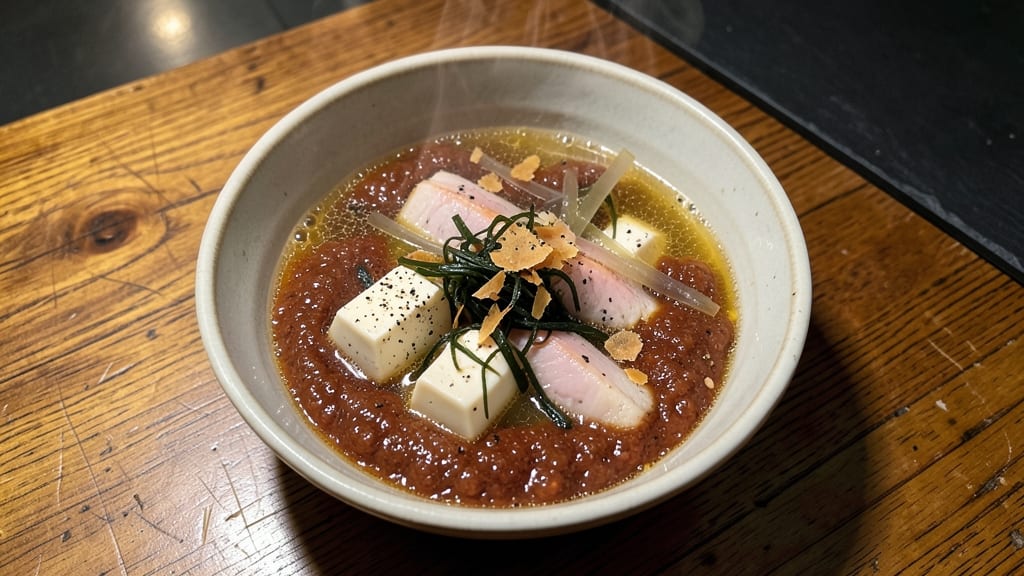
This asari miso soup recipe transports you to a sunlit Tokyo kitchen with its delicate balance of silky tofu, tender sea bream, and umami-rich broth. The key lies in slow-simmered dashi infused with red miso, creating a depth of flavor that transforms simple ingredients into something extraordinary.
I've perfected this version after years of studying traditional techniques, ensuring every spoonful delivers that perfect harmony of salty, sweet, and savory. What makes this recipe special is the preparation of the asari (sea bream), which must be poached just until tender to maintain its delicate texture.
The wakame seaweed adds a subtle oceanic sweetness, while soft tofu provides a silky contrast. The broth, built from scratch with kombu and bonito flakes, forms the soul of the dish—clear yet deeply flavorful.
By the time you serve this soup, you'll have created a dish that's both comforting and refined—steaming bowls of silky tofu, tender fish, and fragrant greens floating in golden broth. The presentation matters too: serve in wide, shallow bowls to showcase the ingredients beautifully, garnished with delicate scallions for freshness.
This is more than just soup; it's a taste of Japan's culinary tradition brought to your home kitchen. Let's begin with the foundation that makes it all possible—the dashi stock.
Ingredients for asari miso soup
Four servings of delicate sea bream, silky tofu, and umami-rich broth await—just these ingredients transform simple ingredients into Japanese comfort.
| Ingredient | Amount | Notes |
|---|---|---|
| Asari (Sea Bream) Fillets 🐟 | ½ lb | Skin-on, center-cut preferred |
| Silken Tofu 🧀 | 1 block | Soft or medium, cut into cubes |
| Red Miso Paste 🍶 | 2 tbsp | Aged 1-2 years for depth |
| Dried Wakame Seaweed 🌊 | 1 oz | Rehydrated in hot water |
| Kombu 🍃 | 1 piece | 4x6-inch sheet, rinsed |
| Bonito Flakes 🐟 | ¼ cup | High-quality, for dashi |
| Green Onions 🧅 | 3 whole | Thinly sliced for garnish |
| Dashi Stock 💧 | 4 cups | Homemade or quality store-bought |
| Water 💧 | 3 cups | Filtered preferred |
| Sesame Oil 🌿 | 1 tsp | Toasted for aroma |
| Salt 🧂 | ½ tsp | Adjust to taste |
| Mirin 🍶 | 1 tbsp | Sweet cooking rice wine |
| Sake 🍶 | 1 tbsp | Dry variety preferred |
The asari (sea bream) is non-negotiable for authentic texture—look for skin-on fillets at specialty seafood markets or well-stocked Asian grocery stores like H Mart or 99 Ranch. Freshness matters: the fish should smell clean and oceanic, not fishy. If you can't find asari, flounder or cod works in a pinch, but the flavor will differ slightly. For miso, Noda or Shinshu brands deliver that deep, complex umami—avoid the red miso labeled 'instant' or 'quick.' The kombu should be dark green, leathery, and free of holes—anything lighter or brittle has lost its potency. Store kombu in the fridge wrapped in a damp towel to retain freshness.
No red miso? White miso with extra mirin (double the amount) gets you close, though the color will differ. Running short on bonito flakes? Dried shiitake mushrooms (1 oz, rehydrated) add earthy depth, though the broth will lack the classic umami punch. Wakame too expensive? Dulse flakes (1 tsp) mimic its oceanic sweetness, though texture differs. The dashi stock is the soul of the dish—homemade is ideal, but Hondashi brand powder works if you're short on time. For the tofu, silken blocks (not firm) are essential—they melt into the broth beautifully. If you must use firm tofu, blend it first with a splash of broth for a similar silky texture.
Kombu and miso keep for months in the pantry, while fresh asari should be used within 2 days. Rehydrated wakame lasts 5-7 days in the fridge submerged in water. The broth can be made ahead—it actually improves overnight as flavors meld. Store in airtight containers with a thin layer of oil on top to preserve freshness. For leftovers, reheat gently on the stove—microwaving can make the tofu rubbery. Garnish with green onions just before serving to keep them vibrant. The soup reheats beautifully, so double the batch—it's even better the next day.
Why You'll Love This Recipe
- Fillets in Minutes: The asari fillets cook in five minutes—just sear them skin-side down, flip, and they’re done. No waiting, no fuss, and you still get that delicate, buttery texture that makes you feel like you’ve spent hours in the kitchen.
- Umami Bomb: That red miso paste? It’s the star. Rich, slightly sweet, with a depth that just hits when paired with the briny kombu and chewy wakame. The silken tofu soaks it up like a sponge, turning every spoonful into pure satisfaction.
- Weeknight to Party: Same recipe, different vibes. Serve it steaming in bowls for a quick weeknight dinner, or plate it elegantly with a drizzle of sesame oil for guests. The asari’s mild sweetness and miso’s warmth make it work for both lazy nights and impressing your in-laws.
- Budget-Friendly Luxury: Fresh asari might sound fancy, but it stretches far—one fillet feeds two, and the miso, tofu, and seaweed keep costs low. Plus, leftovers reheat beautifully, so you’re not scrambling to figure out what’s for dinner tomorrow. (Yes, even on a Tuesday night.)
Step-by-step instructions for asari miso soup
This method delivers a perfectly balanced umami broth with tender asari and silky tofu.
Prepare the Broth Base
In a medium pot, combine the 4 cups dashi stock and 3 cups water. Add the 1 piece kombu and bring to a gentle simmer over medium heat. Let it cook for 10 minutes—you'll see delicate bubbles forming at the edges. This step extracts the kombu's natural umami without overpowering the broth.
After 10 minutes, remove the kombu using tongs and discard. Add the 0.25 cup bonito flakes and simmer for another 2 minutes. The flakes will dissolve completely, infusing the broth with a deep, savory richness. Strain through a fine-mesh sieve into a clean pot to remove any remaining particles. This clear, aromatic base is the foundation of your soup.
Rehydrate and Season the Wakame
Place the 1 oz dried wakame seaweed in a small bowl and pour 1 cup hot water (just off boil) over it. Let it soak for 5 minutes until it softens and expands to about 3 times its original size. Drain well, reserving the soaking liquid.
In the same pot with the strained broth, add the rehydrated wakame, 2 tbsp red miso paste, 1 tbsp mirin, 1 tbsp sake, and 0.5 tsp salt. Stir gently over low heat for 3 minutes—just enough to dissolve the miso completely. The broth should now have a deep reddish hue and a complex umami aroma. Avoid boiling, as this can kill the delicate flavors of the miso.
Cook the Silken Tofu and Asari
Cut the 1 block silken tofu into 1-inch cubes and gently add them to the simmering broth. The tofu will absorb the flavors beautifully while maintaining its silky texture. Return the broth to a gentle simmer and cook for 4 minutes, stirring occasionally to prevent the tofu from sticking to the bottom.
Meanwhile, pat the 0.5 lb asari fillets dry with paper towels and season lightly with 0.25 tsp salt (just enough to enhance the natural flavor). Add the fillets to the broth and cook for 3-4 minutes on one side until they turn opaque and the edges begin to flake slightly. Flip carefully and cook for another 2-3 minutes until just cooked through. Overcooking will make the fish dry—it should remain tender and moist.
Finish and Serve
Remove the pot from heat and stir in the 1 tsp sesame oil. This adds a nutty aroma and subtle richness that complements the umami broth. Taste and adjust seasoning if needed—you may need a pinch more salt or a splash of mirin to balance the flavors.
Ladle the soup into bowls, garnishing each serving with thinly sliced green onions (from the 3 whole green onions). Serve immediately while the asari is still warm and the tofu maintains its delicate texture. The broth should coat the back of a spoon with a velvety consistency, and each bite should deliver layers of umami from the miso, kombu, and bonito.
Pro Tips For Making Asari Miso Soup
- Prep Asari First: Cut the sea bream fillets into 1-inch chunks before starting the broth—this saves you from fumbling with slippery fish mid-cook. I learned this the hard way when I tried to slice them in the hot pot and ended up with uneven pieces and a splattered counter.
- Soak Wakame 10 Minutes: Wakame rehydrates fast, but 10 minutes in cold water guarantees it softens evenly without turning mushy. Drain and rinse just before adding to the pot—stale seaweed water makes the broth taste flat.
- Simmer Kombu Low: Kombu releases umami best at a gentle simmer—don’t boil it or it’ll turn bitter. Remove it after 5 minutes (it’s done when the broth turns cloudy), then fish it out with tongs so it doesn’t disintegrate into the soup.
- Cube Tofu Hot: Drop silken tofu cubes into the hot broth—they’ll soften instantly and absorb flavor better than if you pre-cook them. No need to boil separately; just let them sit until they’re just warm through. (Yes, even if you’re impatient like me.)
Perfect pairings for this dish
Side Dish Harmony
Pair this soup with steamed jasmine rice—its mild, slightly sweet flavor soaks up the broth beautifully. For texture contrast, serve alongside chilled edamame (shelled, lightly salted) to add a fresh, green element. I love using H Mart's frozen edamame for convenience without sacrificing quality. 🍚
Fresh Greens Balance
A simple sunomono salad (Japanese vinegared cucumber salad) cuts through the richness. Thinly slice 1 English cucumber and toss with 2 tbsp rice vinegar, 1 tsp sugar, and a pinch of salt.
The crisp acidity refreshes your palate between spoonfuls of soup. For extra umami, add 1 tsp soy sauce to the dressing. 🥒
Warm Bread Pairing
Warm melon pan (Japanese sweet bread) or shokupan (milk bread) makes the perfect handheld companion. The soft, slightly sweet crumb contrasts wonderfully with the salty-savory soup. I recommend Kusmi Tea's melon pan from Asian markets for that authentic texture. Toast lightly before serving to enhance its aroma. 🍞
Drink Pairings
For a traditional match, serve with green tea—specifically sencha or gyokuro—to complement the soup's umami without overpowering it. For something lighter, a sparkling yuzu soda (like Ramune) adds a citrusy pop that cleanses the palate.
Avoid heavy wines or beers that might compete with the delicate flavors. 🍵
Seasonal Additions
In spring, add thinly sliced shungiku (edible chrysanthemum greens) for a delicate floral note. During winter, incorporate shitake mushrooms (sautéed with a touch of mirin) to deepen the broth's earthiness. These seasonal touches elevate the dish while staying true to Japanese traditions. ❄️
Dessert Contrast
End the meal with matcha mochi or warabi mochi—their subtle sweetness and chewy texture provide a perfect finish. For a lighter option, yuzu sorbet** offers a bright citrus contrast that refreshes the palate after the rich umami flavors. 🍡
Nutrition facts
Frequently asked questions
Can I substitute asari (sea bream) with another type of fish?
Yes, but texture and flavor will differ slightly. For a similar delicate profile, try flounder or cod—both poach beautifully. Avoid firm white fish like halibut, which can become dry. If using a different fish, reduce cooking time by 1 minute to prevent overcooking. The key is tender, not firm, fish that melts in your mouth.
Why does my miso soup turn bitter?
Boiling the broth or miso paste after adding it causes bitterness. Always simmer gently (low heat) and never let it reach a full boil once miso is incorporated. For extra depth, dissolve miso in a small amount of broth first before adding it to the pot. The ideal temperature is 160°F—just warm enough to melt the miso without activating bitter compounds.
How can I make this soup vegetarian?
Replace the asari with extra silken tofu (double the amount) and add 1 cup shiitake mushrooms (sliced) for umami. Use 1 tbsp mushroom powder in the broth to mimic the dashi depth. For seaweed lovers, keep the wakame but increase to 1.5 oz for more oceanic flavor. The texture will differ, but the broth remains rich and satisfying.
Can I prepare the broth ahead of time?
The broth actually improves overnight as flavors meld. Store it in an airtight container with a thin layer of oil on top to preserve freshness. Reheat gently on the stove—never microwave, as it can make the tofu rubbery. For best results, reheat to 160°F and add tofu and fish fresh from the fridge to maintain their delicate textures.
What's the secret to silky tofu in miso soup?
Use silken tofu (not firm) and cut it into 1-inch cubes for even cooking. Add it to the broth last, when the broth is already simmering gently. Never boil the tofu—keep the temperature at 160°F max. For extra silkiness, blend ½ cup silken tofu with 2 tbsp broth before adding it to create a creamy base. The result should be tender, not crumbly.