
Soups & Stews
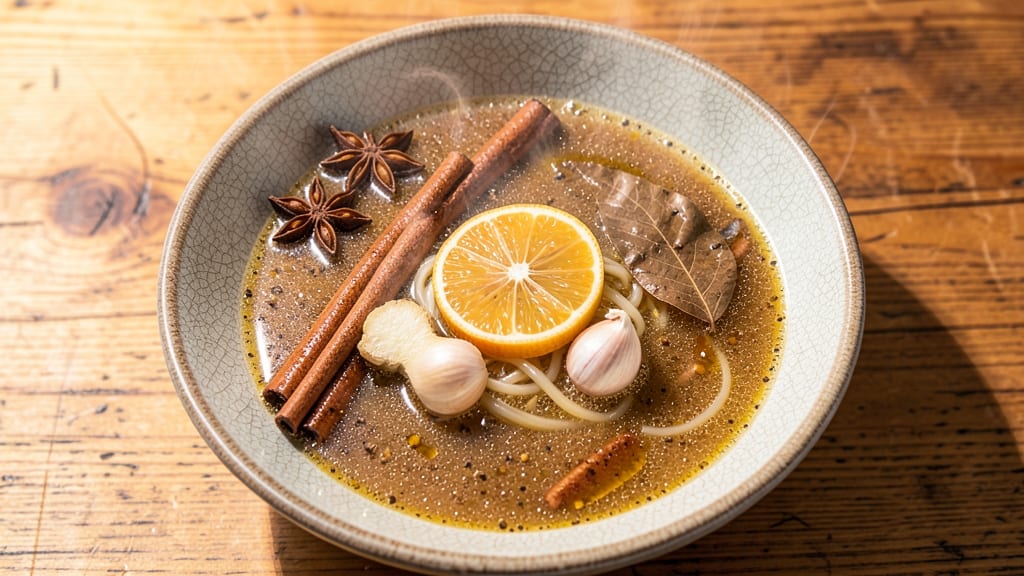
This Asian noodle soup base recipe transforms bland instant ramen into a fragrant, restaurant-quality broth with just 15 minutes of active prep. The secret lies in layering aromatics—charred ginger, toasted garlic, and star anise—before simmering with bone broth for depth.
Whether you're building pho, miso soup, or tonkotsu, this foundational liquid elevates every bowl.
What sets this base apart is the balance of clarity and richness. For lighter broths, strain the aromatics; for deeper flavors, leave them in. The key technique? Searing the spices in oil first to develop their natural oils, which infuse the broth with complexity.
No pressure cooker or slow cooker needed—just a pot and patience.
By the end, you'll have a fragrant, umami-packed broth that's versatile enough for any Asian noodle dish. The aroma alone will have everyone asking for seconds, while the clean, bright flavor profile lets your noodles and toppings shine.
This is the kind of base that turns a quick meal into something memorable.
Use it immediately for pho or miso soup, or store it in the fridge for up to 5 days. The possibilities are endless—let your creativity guide the rest. Here's how to build this broth foundation.
Ingredients for asian noodle soup base
Nine simple ingredients transform instant ramen into restaurant-quality broth.
| Ingredient | Amount | Notes |
|---|---|---|
| Fresh Ginger Root 🧄 | 2 tbsp | Peeled, sliced into thin coins |
| Garlic Cloves 🧄 | 6 cloves | Smashed for deeper flavor |
| Star Anise Pods 🌿 | 2 whole | Whole pods for easy removal |
| Cinnamon Sticks 🌿 | 2 whole | For subtle warmth |
| Dried Bay Leaves 🌿 | 2 whole | Fresh if available |
| Vegetable Oil 🫒 | 2 tbsp | Neutral oil for searing |
| Low-Sodium Soy Sauce 🥢 | 1 tbsp | For umami depth |
| Sesame Oil 🫒 | 1 tsp | Toasted for aroma |
| Chicken or Vegetable Bone Broth 💧 | 4 cups | Homemade or high-quality store-bought |
| Fish Sauce 🍶 | 1 tsp | Optional for extra umami |
The aromatics are where the magic happens. Fresh ginger and garlic need to be vibrant—no wrinkly roots or dried-out cloves. Whole Foods or Asian markets usually have the freshest ginger, while Trader Joe's carries pre-peeled garlic. Star anise and cinnamon sticks? Grab them in the spice aisle—Penzeys or Spicewalla for quality. Quick tip: Smash the garlic cloves with the side of your knife for more surface area and deeper flavor. The bay leaves can be fresh if you're feeling fancy, but dried works just fine—just add them at the end if you want to strain later.
No sesame oil? Toasted peanut oil works in a pinch, though it has a different vibe. Short on fish sauce? Extra soy sauce or a splash of Worcestershire gets you close. Using vegetable broth instead of bone broth? Add an extra tablespoon of soy sauce for that savory punch. The broth matters—Imagine or Pacific Foods brands are solid if you're buying store-bought. For extra depth, toast the star anise and cinnamon in the oil for 30 seconds before adding the broth—trust me, it makes a difference.
This broth tastes even better the next day as flavors meld. Store in an airtight container in the fridge for up to 5 days. Freeze for 3 months—portion into ice cube trays for easy single-use servings. Pro tip: Skim off any fat that rises to the top before reheating. The aromatics? Strain them out if you want a clear broth, or leave them in for a heartier texture. Either way, you'll have the base for something amazing.
Why You'll Love This Recipe
- Fewer Ingredients, Bigger Impact: I swear by this base—just five things (ginger, garlic, star anise, cinnamon, bay leaves) transform a pot of water into something magical. No cluttered spice racks or last-minute grocery runs needed.
- Warmth in a Sip: That first spoonful of broth—spicy from the ginger, deep from the star anise, with a whisper of cinnamon—hits like a hug. Honestly, it’s the kind of flavor that makes me pause mid-stir and think, "Why don’t I do this more often?"
- Your Broth, Your Rules: Need pho? Add rice noodles and beef. Craving ramen? Toss in miso and mushrooms. Even a quick veggie stir-fry gets an upgrade when simmered in this. Between us, I’ve used it for three different dinners this week.
- Lasts All Week (Seriously): Make a big batch—it keeps in the fridge for days, and freezes like a dream. My lazy Sundays now involve reheating this golden broth, throwing in whatever’s handy, and calling it dinner. Budget-friendly? Yes. Life-saving? Absolutely.
Step-by-step instructions for Asian noodle soup base
This aromatic broth transforms instant ramen into restaurant-quality soup in minutes.
Bloom the Aromatics in Oil
Heat the 2 tablespoons vegetable oil in a medium pot over medium heat until shimmering. Add the 2 tablespoons fresh ginger root and 6 cloves garlic cloves, stirring constantly for 1-2 minutes until the ginger becomes fragrant and the garlic just begins to turn golden at the edges.
Here's the thing—don't let the garlic burn. You'll know it's ready when the mixture smells intensely aromatic and the raw garlic flavor gives way to a sweet, toasty aroma. The oil should be hot enough to sizzle gently but not smoke. This step builds the flavor foundation for your entire soup.
Add Whole Spices and Bay Leaves
Toss in the 2 whole star anise pods, 2 whole cinnamon sticks, and 2 whole dried bay leaves. Stir for 30 seconds to coat them in the fragrant oil. The spices will release their essential oils as they steep in the broth, creating that signature Asian soup depth.
I like to use whole spices here because they're easier to remove later, but they'll infuse the broth beautifully. If you're using fresh bay leaves, you can add them now too—they'll wilt slightly as they release their piney aroma. Don't skip this step; these spices transform a simple broth into something truly special.
Simmer with Broth and Soy Sauce
Pour in the 4 cups chicken or vegetable bone broth and bring to a gentle simmer over medium-low heat. Once simmering, add the 1 tablespoon low-sodium soy sauce and stir. Let it bubble gently for 10 minutes, uncovered, to allow the spices to fully infuse.
You'll notice the broth developing a rich, golden color and an incredible aroma. This is where the magic happens—the spices meld with the broth, creating layers of flavor. If you're using fish sauce, add it now along with the soy sauce. The broth should smell like a warm, spice-infused hug by this point.
Finish with Sesame Oil
Remove the pot from heat and let it sit for 2 minutes to allow the spices to settle. Carefully ladle the broth through a fine-mesh strainer into a clean pot, discarding the spices. Return the strained broth to the heat and stir in the 1 teaspoon sesame oil over low heat for 30 seconds—just enough to warm through and release its nutty aroma.
This final step adds that signature umami richness and aromatic finish that makes Asian noodle soups so irresistible. The sesame oil should be warm but not smoking—just enough to release its flavor without overpowering the delicate broth. Now you're ready to add your choice of noodles, protein, and vegetables for a complete bowl of comfort.
Pro Tips For Making Asian Noodle Soup Base
- TOAST YOUR SPICES FIRST: I learned this the hard way—skipping the quick toast for cinnamon sticks and star anise means they’ll just sit there, releasing flavor at a snail’s pace. Hit them with a dry pan over medium heat for 30 seconds until fragrant, then add to the broth. That’s when they wake up and actually contribute.
- PEEL GINGER LIKE A PRO: The skin on ginger is tough to chew, but most people waste time trying to scrape it off with a spoon. Instead, use a spoon’s back to tap the ginger lightly on the cutting board—it’ll loosen the skin so you can peel it off in one clean strip with your fingers. No more bitter aftertaste or wasted effort.
- SIMMER LOW AND SLOW: I used to rush the broth, thinking high heat would speed things up. Wrong. After burning two batches, I finally realized: once your aromatics are blooming, drop the heat to a bare simmer. A gentle roll of bubbles keeps the star anise and bay leaves from turning bitter while letting the ginger and garlic mellow into the broth—no more sharp, raw flavors.
- SKIP THE WHOLE BAY LEAF: Here’s the thing: dried bay leaves are potent, and if you’re using them straight from the jar, you’re probably overdoing it. Tear one in half before adding it to the pot—this releases just enough flavor without making the broth taste like a spice cabinet exploded. (Yes, even if the recipe says “1 leaf.”)
Dietary considerations for asian noodle soup base
Gluten-Free Adaptations
This broth base is naturally gluten-free, but always double-check your broth and soy sauce labels. I use Kikkoman Tamari instead of regular soy sauce for a gluten-free option—it has the same umami depth without the gluten.
For extra assurance, choose a certified gluten-free bone broth like Imagine Foods Gluten-Free Chicken Broth. The key is avoiding wheat-based thickeners or cross-contamination during prep. 💛
Vegetarian/Vegan Options
Swap bone broth for vegetable broth (like Pacific Foods Organic Vegetable Broth) and add 1 tbsp mushroom powder or 1 sliced shiitake mushroom for umami. I also boost the savory notes with 2 tbsp nutritional yeast or 1 tsp white miso paste instead of fish sauce.
For depth, toast 1 tsp coriander seeds with the aromatics—they add a citrusy warmth that complements veggie broth beautifully.
Low-Sodium Adjustments
If you're watching sodium, reduce the soy sauce to ½ tbsp and skip the fish sauce entirely. Instead, add 1 tsp coconut aminos (a gluten-free, lower-sodium alternative) and ½ tsp kelp powder for mineral-rich umami.
I also dilute the broth with ½ cup extra water to balance the flavor. Taste as you go—you can always add more seasoning later, but you can't take it out!
Spice-Level Control
For a milder broth, omit the fish sauce and reduce the soy sauce to ½ tbsp. If you love heat, add ½ tsp chili flakes or 1 tsp gochujang (Korean chili paste) at the end.
I keep Sichuan peppercorns on hand for a numbing, tingling kick—just toast 2-3 with the star anise and cinnamon. Adjust to taste, but remember: the broth will intensify as it cools. 🌶️
Nut-Free Considerations
Sesame oil is a common allergen, so replace it with 1 tsp toasted avocado oil or extra vegetable oil (just skip the final drizzle). For nut-free umami, add 1 tsp tamari (instead of soy sauce) and 1 tbsp tomato paste (cooked down with the aromatics).
I also recommend using certified nut-free broth to avoid cross-contamination. The flavor stays rich and balanced without any nutty notes.
Protein-Specific Bases
For a seafood broth, add 1 tsp nori flakes or ½ cup dashi powder (like Honten Dashi) to the broth. For beef-heavy bases (like pho), use beef bone broth and add 1 tsp black peppercorns with the aromatics.
If you're making a pork-based broth, include 1 slice of fresh ginger and 1 tsp five-spice powder for authenticity. Each protein brings its own depth—experiment to find your favorite!
Nutrition facts
Frequently asked questions
Can I make this soup base without fresh ginger or garlic?
Use 1 tbsp ground ginger and 2 tsp minced garlic powder instead, but toast them in the oil for 1 minute to deepen the flavor. For best results, combine with ½ tsp ground coriander to mimic fresh aromatics. The texture won't be identical, but the broth will still taste aromatic and complex.
How do I adjust this for a creamier, miso-style broth?
Add 1 tbsp white miso paste to the simmering broth and stir until fully dissolved. For extra richness, whisk in 2 tbsp coconut milk at the end. The miso adds umami depth while keeping the broth clear—just strain out the spices as usual. This works perfectly for Japanese-style noodle soups.
What's the best way to store leftover broth?
Let it cool completely, then store in an airtight container in the fridge for up to 5 days. For longer storage, freeze in ice cube trays (great for single servings) or 1-cup portions in freezer bags for 3 months. Thaw overnight in the fridge—never microwave directly from frozen.
Why does my broth smell amazing but taste weak?
This usually means the spices didn't infuse long enough. Simmer uncovered for 15-20 minutes instead of 10, and add ½ tsp extra soy sauce or 1 tsp fish sauce at the end. The key is patience—the longer the spices steep, the more flavor they release. Also check your broth quality—homemade or high-quality store-bought makes a huge difference.
Can I use this base for cold noodle soups like Vietnamese bun bo hue?
Yes! Cool the broth completely, then chill in the fridge for 4-6 hours until very cold. For extra tang, add 1 tbsp lime juice and 1 tsp fish sauce before serving. This works perfectly for cold noodle dishes—just adjust the seasoning to balance the chilled flavors. The aromatic spices still shine through beautifully.