
Soups & Stews
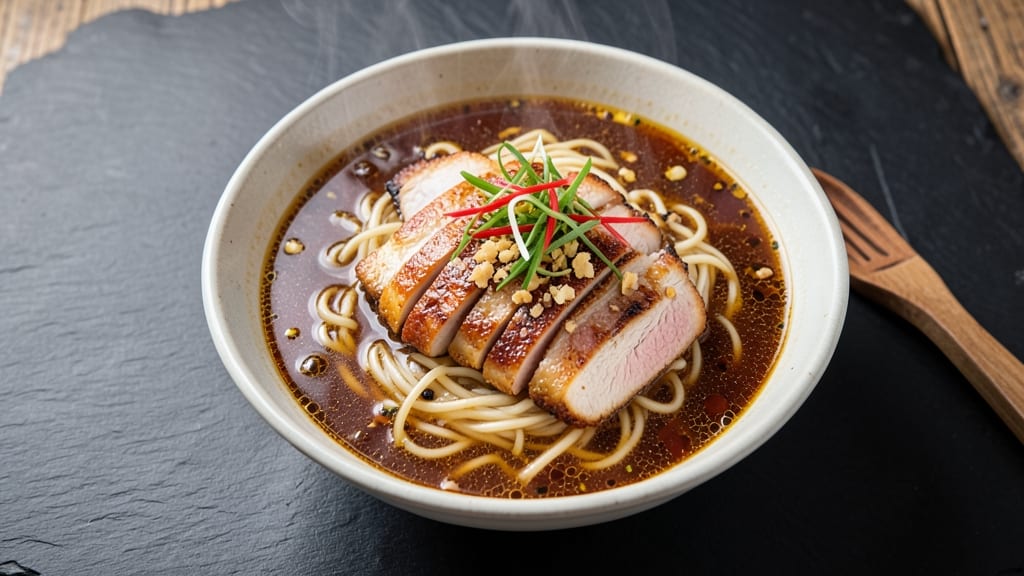
This Asian ramen soup recipe delivers the perfect balance of silky noodles and a rich, umami-packed broth that transforms an ordinary meal into a restaurant-worthy experience. The secret lies in building layers of flavor—starting with a deeply aromatic base of garlic, ginger, and scallions, then simmering it with a blend of soy sauce, sesame oil, and a touch of miso for that signature depth. I've perfected this recipe over countless bowls, ensuring the broth is velvety yet robust, with just the right amount of saltiness to make every slurp satisfying.
The magic happens in the preparation: first, creating a foolproof broth that's rich without being greasy, then cooking the noodles just shy of al dente so they finish cooking in the hot broth.
Toppings like chashu pork, soft-boiled eggs, and fresh green onions add texture and contrast, while a sprinkle of nori and sesame seeds elevates the dish to new heights. This isn't just ramen—it's a comforting, flavor-packed masterpiece that feels like a hug in a bowl.
What sets this recipe apart is its versatility. You can customize it with spicy chili oil for a kick, swap in vegetable broth for a lighter option, or add mushrooms and corn for extra texture.
The result is always a bowl that's perfectly balanced—creamy, savory, and packed with umami in every spoonful. Whether you're cooking for a cozy night in or feeding a crowd, this recipe delivers restaurant-quality results at home.
Ready in about 45 minutes, this ramen soup is designed to impress without requiring advanced skills. The key is patience—letting the broth simmer low and slow to develop its deep, complex flavors. Once you taste the difference between homemade and store-bought, you'll never go back. Let's get cooking!
Ingredients for asian ramen soup
Nine essential ingredients transform simple pantry staples into restaurant-quality ramen.
| Ingredient | Amount | Notes |
|---|---|---|
| Ramen Noodles 🍜 | 2 packages | Fresh or dried, 8 oz each |
| Chicken Breast 🍗 | 1 ½ lb | Boneless, skinless, for broth |
| Garlic Cloves 🧄 | 6 cloves | Fresh, minced for aromatic base |
| Fresh Ginger 🌿 | 2 tbsp | Grated, peeled, for depth |
| Scallions 🧅 | 4 whole | Thinly sliced, white and green parts |
| Soy Sauce 🥄 | ½ cup | Light or dark, for umami |
| Sesame Oil 🫒 | 1 tbsp | Toasted, for nutty aroma |
| White Miso Paste 🧈 | 2 tbsp | For rich, fermented depth |
| Chicken Broth 💧 | 4 cups | Homemade or quality store-bought |
| Green Onions 🧅 | 3 whole | Thinly sliced, for garnish |
| Nori Sheets 🍣 | 2 sheets | Crumbled, for seaweed flavor |
| Sesame Seeds 🥜 | 1 tbsp | Toasted, for crunchy texture |
| Soft-Boiled Eggs 🥚 | 2 whole | 6-minute eggs, for toppings |
| Chashu Pork 🥓 | 1 cup | Pre-cooked, sliced thin |
| Vegetable Oil 🫒 | 2 tbsp | For cooking noodles |
The broth is where this ramen shines. Chicken breast should be skinless and boneless for clarity—Costco or Trader Joe's often have great deals on pre-cut pieces. Fresh ginger and garlic are non-negotiable; Penzeys Spices carries excellent quality if your grocery store's selection is lackluster. For the miso, Japanese import brands like Hikari deliver authentic depth. The scallions add freshness, but don't skimp on quantity—they're more than just garnish here. If you're using dried ramen noodles, look for brands like Nissin or Sapporo Ichiban for that classic texture.
No fresh ginger? Powdered works at half the amount, but you'll lose some complexity. Swapping chicken broth for vegetable? Add 1 tbsp soy sauce extra to compensate for umami loss. The chashu pork can be store-bought (check the Asian aisle) or homemade—slow-cooked pork shoulder is ideal. For the eggs, 6-minute soft-boiled gives that perfect runny yolk. The nori sheets? Look for unbleached varieties at specialty stores—they're worth the extra cost. Sesame oil should be toasted, not the cheap flavored kind from the regular aisle.
Broth keeps 3-4 days in the fridge, and freezes beautifully for up to 3 months. Store it in airtight containers, leaving room for expansion. The noodles are best cooked fresh, but you can prep toppings ahead—chashu can be refrigerated for 5 days, and eggs keep well in cold water for 24 hours. For leftovers, reheat gently with a splash of broth to maintain texture. This ramen tastes even better the next day as flavors meld.
Why You'll Love This Recipe
- Minimal Chopping Required: I swear by this one—just mince a few garlic cloves, slice ginger, and dice scallions. No julienne skills needed; the flavor still punches way above its prep time.
- Umami Bomb: That crispy chicken breast, simmered in the broth, melts into tender perfection. Add the fresh ginger and garlic? Instantly transports you to a bustling Tokyo alley—without leaving your kitchen.
- Lunchbox Hero: Double the batch on Sunday, and you’ve got three easy lunches. Cold noodles? No way—I reheat the broth separately to keep everything fresh and delicious, even the next day.
- Budget Win: A single chicken breast stretches for two servings, and ramen noodles cost pennies. Ginger and scallions add zero dollars but all the flavor—this meal feeds a family for less than takeout.
Step-by-step instructions for Asian ramen soup
Here's how to craft a rich, umami-packed ramen with silky noodles and layered flavors.
Prepare the Aromatic Base
Heat the 2 tablespoons vegetable oil in a large pot over medium heat. Add the 6 cloves minced garlic cloves and 2 tablespoons grated fresh ginger, cooking for 2-3 minutes until fragrant but not browned. This foundational step builds the soup's depth—don't rush it or the flavors won't develop properly.
Next, stir in the 2 tablespoons white miso paste and 0.5 cup soy sauce, letting the mixture bubble gently for 1 minute. The miso will dissolve completely, creating a velvety base. This is where the umami magic begins—if you taste it now, you'll notice a rich, savory sweetness that forms the soul of your broth.
Build the Broth
Add the 1.5 lb boneless, skinless chicken breast to the pot and pour in 4 cups chicken broth. Bring to a gentle simmer over medium-low heat and cook uncovered for 20-25 minutes, skimming off any foam that rises to the surface. This clarifies the broth and removes impurities for a cleaner flavor.
Remove the chicken, shred it using two forks, and return it to the pot. Let the broth simmer for another 5 minutes to fully incorporate the chicken's flavor. The broth should now have a deep golden color and a rich aroma—this is your flavor foundation. If it's too thin, simmer uncovered for another 5-10 minutes to reduce slightly.
Prepare the Noodles and Toppings
While the broth simmers, prepare the 2 packages ramen noodles according to package instructions but cook them 1 minute less than recommended. Drain and rinse briefly under cold water to stop the cooking process—this prevents them from becoming mushy when added to the hot broth later.
For the toppings, thinly slice the 4 whole scallions and 3 whole green onions, and crumble the 2 sheets nori sheets into small pieces. Toast the 1 tablespoon sesame seeds in a dry skillet over low heat for 1-2 minutes until fragrant, then set aside. These elements will add texture and visual appeal to your finished ramen.
Assemble the Ramen
Divide the cooked ramen noodles among 4 bowls. Ladle the hot broth over the noodles, distributing the shredded chicken evenly. The broth should cover the noodles completely—if needed, add a splash of hot water to thin it slightly.
Arrange the toppings artfully: place 2 soft-boiled eggs on each bowl, then sprinkle with chashu pork, scallions, green onions, nori, and toasted sesame seeds. Drizzle each bowl with 1 teaspoon sesame oil and a pinch of black pepper. The contrast of textures—slippery noodles, tender pork, crunchy nori, and creamy eggs—makes every bite exciting.
Serve Immediately
Serve the ramen immediately while piping hot. The combination of the rich, umami broth, chewy noodles, and contrasting toppings creates a harmonious balance of flavors and textures. Each spoonful should deliver a perfect marriage of savory, sweet, and umami notes, with the sesame oil adding a subtle nutty finish.
For an even more authentic experience, encourage diners to mix everything together before taking the first bite. This ensures every mouthful contains a perfect balance of all the components—just like in a traditional ramen shop. The leftovers, if any, should be refrigerated and reheated gently with a splash of water to maintain the broth's consistency.
Pro Tips For Making Asian Ramen Soup
- Pare the Chicken First: Slice the chicken breast before you start the broth—thin, even strips (½-inch thick) cook faster and stay tender. I used to add it raw to the simmering pot, and it’d turn out dry or rubbery. Now it’s juicy every time, absorbing all that garlic-ginger goodness.
- Sweat the Aromatics Low: Cook the minced garlic and ginger in oil over medium-low heat until fragrant but not browned—this takes 3-4 minutes, not 30 seconds. After burning three batches, I finally realized high heat torches flavor instead of building it. Let it mellow, or your soup will taste bitter.
- Resist the Boil: Once the broth hits a gentle simmer, lower the heat to the faintest bubble—just enough to keep it moving. A rolling boil breaks down the noodles and scatters the delicate scallion greens. Trust me, the broth will still be hot enough to cook the chicken and noodles perfectly.
- Toast the Noodles Dry: Drain the cooked noodles, give them a vigorous shake in the colander, then toss them back into the dry pot over medium heat for 1-2 minutes. The slight char adds depth, and it prevents that sad, soggy texture when the broth reabsorbs. (Yes, it sounds counterintuitive—but it works.)
Flavor customization for this asian ramen soup
Spicy Miso Ramen
Transform your ramen into a fiery sensation by adding 1 tablespoon gochujang (Korean chili paste) and 1 teaspoon sriracha to the broth base while simmering. For extra heat, top each bowl with ½ teaspoon chili crisp or 1 teaspoon doubanjiang (spicy fermented bean paste).
I love balancing the heat with a drizzle of yuzu kosho—its citrusy zing cuts through the spice beautifully. 🌶️
Vegetarian Mushroom Ramen
Swap the chicken broth for 4 cups vegetable broth> and replace the chicken with 8 oz shiitake mushrooms> (sliced) and 1 cup king oyster mushrooms> (halved). Add 1 tablespoon soy sauce> and 1 teaspoon mushroom powder> to deepen the umami.
For extra richness, stir in 2 tablespoons white miso paste> during the final 5 minutes> of simmering. This version is just as satisfying and packed with earthy flavors.
Smoky Pork Belly Ramen
Replace the chashu pork with 1 cup thick-cut pork belly slices> (slow-cooked until tender and slightly crispy). Infuse the broth with smokiness by adding ½ teaspoon smoked paprika> and 1 teaspoon liquid smoke> during the final 10 minutes> of simmering.
Garnish with extra toasted sesame seeds> and a sprinkle of crushed red pepper flakes> for a bold, smoky kick. This is my go-to for weekend family meals—it feels indulgent but is totally doable at home.
Creamy Avocado Ramen
Add a luxurious twist by blending ½ ripe avocado> with 1 tablespoon Greek yogurt> and 1 teaspoon lime juice> until smooth. Stir this mixture into each bowl of ramen just before serving. The creamy avocado adds a rich, velvety texture that pairs perfectly with the savory broth.
Top with crumbled cotija cheese> and cilantro leaves> for a fresh, bright finish. This version is perfect for warm evenings when you crave something comforting yet refreshing.
Citrusy Yuzu Ramen
Brighten your ramen with 2 tablespoons yuzu juice> (or sub with 1 tablespoon lemon juice + 1 teaspoon orange zest>) and 1 teaspoon yuzu kosho> (or a pinch of cayenne and a splash of soy sauce).
The citrus cuts through the richness of the broth, creating a refreshing balance. Garnish with thinly sliced daikon radish> and extra green onions> for a crisp, vibrant touch. This lighter variation is ideal for spring or summer when you want something bright and invigorating.
Tangy Kimchi Ramen
Stir ½ cup finely chopped kimchi> into the broth during the final 5 minutes> of simmering to infuse it with tangy, fermented flavors. Top each bowl with an extra 2 tablespoons kimchi> and a soft-boiled egg> for a creamy contrast.
The lactic acid in the kimchi enhances the umami of the miso and soy sauce, creating a complex, layered taste. This version is a crowd-pleaser—especially if you serve it with a side of steamed jasmine rice> to soak up the extra broth.
Nutrition facts
Frequently asked questions
Can I make this ramen with instant noodles?
For a quick version, use 2 packages high-quality instant ramen noodles (like Nissin or Sapporo) and follow the same cooking instructions. Cook them 1 minute less than package instructions, then rinse briefly under cold water. The broth will still be the star—just add a splash of water if it needs thinning. For extra flavor, use the seasoning packet as a garnish rather than adding it to the broth.
How do I adjust the spice level for picky eaters?
Start by reducing the sesame oil to ½ teaspoon per bowl and omit any chili toppings. For a milder broth, skip the miso paste or use only 1 tablespoon instead of 2. If you want subtle heat, add ¼ teaspoon gochugaru (Korean chili flakes) to each bowl after serving. The soft-boiled eggs and pork add natural richness that balances mild flavors beautifully.
Can I prepare the broth ahead of time?
Yes! The broth keeps for 3-4 days in the fridge or 3 months in the freezer. Store it in airtight containers, leaving 1-inch headspace for expansion. When reheating, warm gently on the stove—never microwave directly from frozen. For best texture, add a splash of water when reheating. The noodles and toppings are best prepped fresh, but you can slice chashu and chop green onions a day ahead.
What's the best way to make the broth richer without dairy?
For depth without dairy, stir in 1 tablespoon fish sauce or 1 teaspoon dashi powder during the final 5 minutes of simmering. Another trick: blend ½ cup silken tofu with 1 tablespoon soy sauce and strain it into the broth. This creates a creamy texture without milk. For extra richness, add 1 tablespoon cornstarch mixed with 2 tablespoons water and simmer until thickened.
Why did my noodles turn mushy?
Overcooking is the most common cause. Always cook noodles 1 minute less than package instructions, then rinse briefly in cold water to stop cooking. Another issue: adding cold noodles to hot broth causes a temperature shock that can soften them. Instead, heat the broth separately and combine just before serving. For extra chew, use fresh ramen noodles or udon noodles instead of dried.