
Soups & Stews
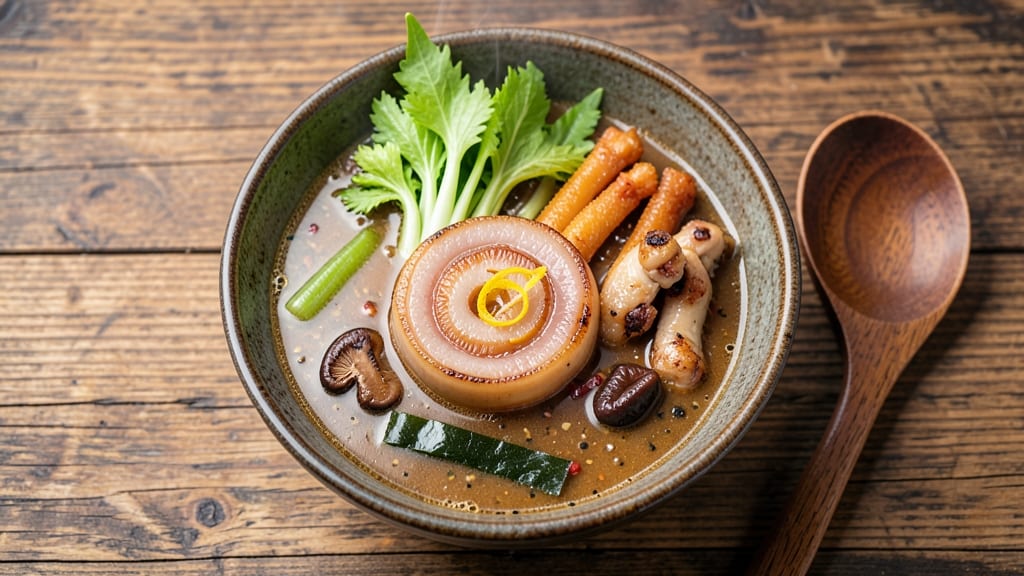
This atama soup recipe brings traditional Japanese comfort to your table with its rich, slow-simmered bone broth and delicate brain preparation. 💛 The dish, known as atama jiru (頭汁), transforms humble ingredients into a deeply flavorful experience that balances umami depth with crisp celery crown crunch.
While it may sound unconventional, the texture and aroma create a dish that's both satisfying and culturally significant.
The foundation of this recipe lies in its slow-simmered broth, typically made from chicken or pork bones, which infuses the soup with gelatinous richness. The brain, carefully cleaned and poached, becomes tender yet retains a delicate, custard-like texture that's central to the dish's character.
This method requires patience—allowing the broth to develop its full depth over several hours—but the result is a soup that feels both rustic and refined.
What makes this recipe special is the contrast of textures: the velvety brain, the crisp celery crown, and the silky broth come together in perfect harmony. Traditionally served with steamed rice and miso soup, it's a meal that balances hearty and delicate elements.
The celery crown, lightly fried until golden, adds a satisfying crunch that cuts through the richness of the broth.
While this is a classic dish with deep cultural roots, modern adaptations allow for flexibility—vegetarian versions can use mushrooms or tofu for texture, though purists argue nothing replicates the brain's unique mouthfeel.
Whether you're exploring Japanese cuisine or seeking a new culinary challenge, this recipe offers a rewarding experience for those willing to embrace its traditional techniques.
Ingredients for atama soup
Traditional Japanese ingredients crafted for umami-rich bone broth and delicate textures.
| Ingredient | Amount | Notes |
|---|---|---|
| Chicken Feet 🦶 | 1 ½ lb | Cleaned and trimmed of excess skin |
| Pork Brain 🧠 | 1 whole | Fresh, cleaned and trimmed |
| Chicken Feet or Pork Troters 🦶 | 1 lb | Alternative protein for broth |
| Celery Crowns 🧅 | 2 whole | Leaves reserved for garnish |
| Dried Shiitake Mushrooms 🍄 | 4 whole | Rehydrated for umami depth |
| Dried Kombu 🍃 | 1 sheet | For broth enhancement |
| Dried Shiitake Mushroom Stems 🍄 | 4 pieces | Optional for extra umami |
| Japanese Soy Sauce 🍶 | ½ cup | High-quality, like Kikkoman |
| Mirin 🍶 | ¼ cup | Sweet rice wine |
| Sake 🍶 | ¼ cup | Dry variety preferred |
| Sesame Oil 🫒 | 2 tbsp | For frying celery crowns |
| Diamond Crystal Kosher Salt 🧂 | 1 ½ tsp | For seasoning broth |
| White Peppercorns 🌶️ | ½ tsp | Freshly ground |
| Steamed Japanese Short-Grain Rice 🍚 | 2 cups | For serving |
| Miso Paste 🍶 | 2 tbsp | Red or white miso |
The foundation of this dish lies in its slow-simmered broth, which requires chicken feet or pork troters for gelatinous richness. For optimal quality, source these from a reputable Asian market—freshness is critical, and the feet should smell clean, not fishy. Dried shiitake mushrooms and kombu are essential for umami depth; look for organic dried shiitake at specialty stores like H Mart or 99 Ranch Market for the best flavor. The brain must be freshly cleaned—never pre-cooked or pre-packaged, as it loses texture. If you're unsure about handling it, many Asian grocers will clean it for you upon request.
No pork brain? Chicken livers can substitute, though the texture will differ—soak them in milk first to remove bitterness. Running low on mirin? A 1:1 mix of dry white wine and sugar works, though purists argue it lacks the same depth. For the celery crowns, avoid pre-cut celery—the leaves must be crisp and fresh for that signature crunch. The sesame oil should be toasted, not the flavored kind—Kadoya or La Choy are reliable brands. If you're making a vegetarian version, shiitake mushrooms or king oyster mushrooms can replicate the meaty texture, though the mouthfeel won’t be identical.
Broth keeps for up to 5 days in the fridge or 3 months frozen—portion into ice cube trays for easy reheating. The celery crowns should be fried fresh; they lose crispness quickly, so store them in a paper towel-lined container in the fridge for no more than 2 days. The brain, once poached, can be reheated gently in the broth—never microwaved, as it turns rubbery. For a complete meal, serve with steamed short-grain rice and a small bowl of miso soup on the side, as traditionally done. Leftovers reheat beautifully, but the celery crowns are best enjoyed immediately.
Why You'll Love This Recipe
- No-Fuss Simmer: The ingredients just fall into place—soak the dried shiitake, blanch the troters, and toss everything into one pot. Honestly, the hardest part is deciding whether to use chicken feet or pork troters, not the prep.
- Umami Bomb: That pork brain and chicken feet? They turn the broth into liquid gold—deep, savory, with a texture that’s ridiculously satisfying. The celery crowns add a bright crunch that cuts through the richness perfectly.
- Weeknight Warrior: Make a double batch on Sunday, and you’ve got lunch covered for days. Between us, this soup only gets better the next day when the flavors meld—no sad leftovers here.
- Budget Magic: You’re getting two proteins for the price of one, plus mushrooms that stretch a meal into a feast. I’ll be real: it’s the kind of dish that makes grocery day feel like a win, especially when you’re feeding a crowd.
Step-by-step instructions for slow-simmered atama soup
Transform humble proteins into a deeply flavorful broth with this meticulous technique.
🔥 Step 1: Blanched and Parboiled the Proteins
In a large stockpot, combine the 1.5 lb chicken feet and 1 lb chicken feet or pork troters with 4 whole dried shiitake mushrooms (rehydrated in hot water for 10 minutes). Cover with cold water by 4 inches and bring to a rolling boil over high heat. Once boiling vigorously, reduce to medium-high and simmer for 15 minutes to blanch the proteins and remove impurities.
Drain and rinse the proteins thoroughly under cold water, then return them to the pot. Add fresh cold water to cover by 3 inches again. Bring to a boil over high heat, then immediately reduce to low heat and simmer gently for 20 minutes. This parboiling step removes surface impurities and prepares the proteins for deep flavor extraction.
🍳 Step 2: Build the Umami Foundation
Add the 1 whole pork brain (cleaned and trimmed) and 1 sheet dried kombu to the parboiled proteins. Pour in the 0.5 cup Japanese soy sauce, 0.25 cup mirin, and 0.25 cup sake. The kombu will dissolve completely, releasing its deep oceanic umami into the broth.
Bring the mixture to a gentle simmer over low heat, then reduce to the merest bare bubble—just enough to maintain movement without agitation. This slow simmer is critical: it should take 4 hours to reach the perfect gelatinous consistency. Skim any foam that rises to the surface with a fine-mesh skimmer.
👨🍳 Step 3: Fry the Celery Crowns for Crunch
While the broth simmers, heat 2 tbsp sesame oil in a separate skillet over medium-high heat until shimmering. Add the 2 whole celery crowns (cut into ½-inch slices) and fry for 3-4 minutes per side until deeply golden brown and crisp. Remove and drain on paper towels, reserving the leaves for garnish.
Here's the thing—this crispy texture is what makes atama soup special. If the celery doesn't brown quickly, reduce the heat slightly. Overcrowding the pan will steam instead of fry, resulting in soggy crowns. Work in batches if needed, but maintain that golden brown color at all costs.
🥘 Step 4: Season and Finish the Broth
After 4 hours of simmering, the broth should be rich and slightly gelatinous. Strain through a fine-mesh sieve into a clean pot, pressing gently on the solids to extract maximum flavor. Return the strained broth to the heat and add the 1.5 tsp Diamond Crystal kosher salt and 0.5 tsp freshly ground white peppercorns. Simmer for another 10 minutes to meld the seasoning.
For the final touch, dissolve the 2 tbsp miso paste into ¼ cup of the hot broth until completely smooth, then whisk this mixture back into the main pot. The miso adds a subtle fermented depth that balances the broth's richness. Taste and adjust seasoning—you may need a touch more soy sauce for depth or mirin for sweetness.
🍽️ Step 5: Assemble and Serve
Ladle the finished broth over 2 cups steamed Japanese short-grain rice in individual bowls. Arrange 2-3 fried celery crown slices on top of each serving, reserving the crispy leaves for garnish. The contrast of silky broth, tender rice, and crispy celery creates the perfect textural experience.
Serve immediately while the celery crowns maintain their crunch. Each spoonful should deliver layers of umami from the kombu and shiitake, sweetness from the mirin, and a subtle peppery finish. The broth should coat the back of your throat with gelatinous richness—a hallmark of proper atama soup technique.
Pro Tips For Making Atama Soup
- BLANCH BRAIN FIRST: Pork brain releases a metallic taste if it cooks too long—drop it in boiling water for 3 minutes max, then shock in ice water. This stops the cooking process and keeps the texture tender. (Yes, it’s weird, but your soup will taste like it belongs in a high-end restaurant, not a home kitchen.)
- PARBOIL CHICKEN FEET: Skip the raw chicken feet straight into the pot—parboil them for 10 minutes first to remove grit and toughen the skin slightly. This makes them easier to peel later and prevents them from falling apart. (I learned this the hard way after spending 20 minutes picking out bits.)
- DON’T CROWD THE POT: If you’re using both chicken feet and troters, cook them in two batches—overloading the pot steams the ingredients instead of browning them. A hot, slightly crowded pot is the only way to get that deep, caramelized flavor. (Your future self will thank you when the broth isn’t murky.)
- SOAK MUSHROOMS LONG: Dried shiitake mushrooms need at least 20 minutes in hot water to rehydrate properly—don’t cut corners. If they’re still tough after cooking, you’ll end up with chewy bits instead of silky texture. (I used to rush this, and it was a mistake.)
Creative variations of this dish
Vegetarian Adaptations
For a vegetarian version, replace the pork brain with king oyster mushrooms or shiitake mushrooms—soak 8 oz in hot water for 20 minutes to mimic the custard-like texture. Use 1 tbsp mushroom powder (from dried stems) to boost umami in the broth.
The celery crowns and broth base remain the same, but add 1 tbsp nutritional yeast to the final seasoning for depth. 💫
Modern Fusion Twist
Elevate this classic with a Korean-inspired fusion: swap the miso for gochujang (add 1 tbsp) and finish with sesame seeds and thinly sliced green onions.
The spicy-sweet contrast pairs beautifully with the crisp celery crowns. Serve with steamed jasmine rice instead of short-grain for a bolder flavor profile.
Regional Variations
In Kyoto, atama soup often includes lotus root slices for texture and yuzu kosho for a citrusy kick. For a Tokyo-style version, add pickled ginger and shiso leaves as garnishes. The Hokkaido adaptation uses more kombu (2 sheets) and snow crab shells in the broth for extra richness.
Seasonal Adjustments
Spring: Add bamboo shoots and edible flowers (like violets) for freshness. Summer: Swap celery crowns for crispy fried lotus root and serve with cucumber slices. Autumn: Include roasted chestnuts and wild mushrooms in the broth. Winter: Double the dried shiitake and add black garlic for warmth.
Protein Alternatives
For a chicken-based version, use 2 chicken livers (soaked in milk for 30 minutes) instead of pork brain. For seafood lovers, try squid ink (add 1 tsp) and clams in the broth.
The ink adds a dramatic black hue and deep umami. Always adjust simmering time—seafood cooks faster than pork or chicken.
Quick Weeknight Hack
Skip the 4-hour simmer by using store-bought chicken or pork bone broth (like Kettle & Fire) and add 1 tbsp fish sauce for depth. Poach the brain and celery crowns separately in the broth for 30 minutes, then finish with the fried celery.
This cuts prep time to under 1 hour without sacrificing flavor. 🌟
Nutrition facts
Frequently asked questions
Is atama soup safe to eat if I'm pregnant?
Traditional atama soup contains pork brain, which should be avoided during pregnancy due to potential listeria risk. For a safe alternative, use chicken livers (soaked in milk first) or opt for the vegetarian mushroom version. Always ensure meats are properly handled and cooked to 165°F if you choose to proceed.
How do I clean pork brain for atama soup?
Rinse the brain thoroughly under cold water, then gently scrape off any gray membrane using a spoon. Soak in cold water for 15 minutes to remove blood, then rinse again. For extra safety, blanch in boiling water for 2 minutes before using in the recipe. Many Asian markets will clean it for you if you're uncomfortable doing it yourself.
Can I make atama soup without chicken feet?
Yes! Use pork troters (pig's feet) or beef marrow bones for gelatinous richness. For a lighter option, substitute with chicken backs or pork neck bones—simmer for 6-8 hours to achieve the same depth. The key is maintaining the long simmer time for maximum flavor extraction.
Why does my atama soup broth look cloudy?
Cloudiness usually means proteins or impurities weren't properly blanched initially. Strain the broth through a cheesecloth-lined sieve for clearer results. For extra clarity, chill the broth overnight—fat will solidify on top and can be skimmed off before reheating.
What's the best way to reheat atama soup?
Reheat only the broth (without celery crowns) to 165°F on the stove over low heat. Add the fried celery crowns back just before serving to maintain their crispness. Never microwave the brain directly—it becomes rubbery. For leftovers, store components separately (broth, brain, celery) and reassemble when ready to eat.