
Soups & Stews
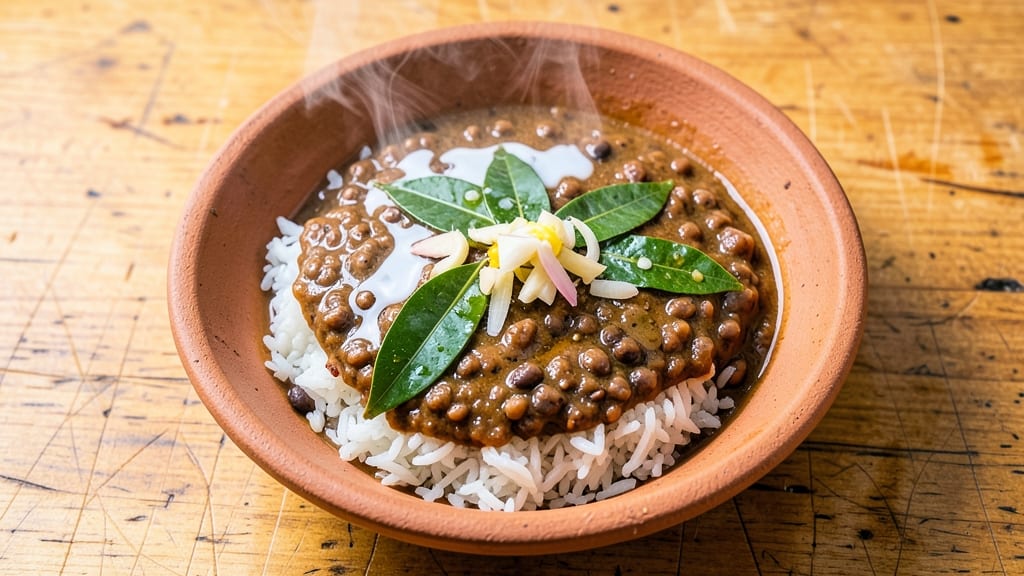
The Attukal Soup recipe in Tamil language brings the warmth of Tamil tradition to your kitchen with its simple yet deeply satisfying combination of rice and black gram dal.
This one-pot recipe captures the essence of South Indian comfort food, where tender lentils and fluffy rice blend into a fragrant, hearty bowl that's perfect for any meal.
The secret lies in slow cooking the dal until it's silky smooth, then combining it with perfectly cooked rice for a dish that's both nourishing and easy to prepare.
What makes this recipe special is its one-pot simplicity—no complicated techniques, just a few staple ingredients that come together in your cooking pot. The black gram dal (உளுத்தம் பருப்பு) provides protein and earthy flavor, while the rice absorbs the rich, savory broth.
Traditional Tamil households have relied on this dish for generations, especially during festive occasions and daily meals, as it's both economical and deeply satisfying.
By the end, you'll have a steaming bowl of Attukal Soup that's creamy, flavorful, and packed with the comforting tastes of home. The aroma alone will transport you to the streets of Attukal, where this dish is cherished.
It's the kind of meal that feels like a hug in a bowl—simple yet unforgettable, and perfect for sharing with family or enjoying on your own.
This recipe is designed to be foolproof—ideal for beginners and experienced cooks alike. The slow-cooked lentils and perfectly balanced rice create a dish that's both nutritious and deeply comforting.
Whether you're preparing it for a special occasion or a regular weeknight dinner, this Attukal Soup will become a staple in your kitchen. Let's get started!
Ingredients for attukal soup recipe in tamil language
Simple staples transform into a fragrant, hearty bowl of Attukal Soup—where earthy dal meets fluffy rice in one comforting pot.
| Ingredient | Amount | Notes |
|---|---|---|
| Black Gram Dal (Uḷuttam Paruppu) 🌾 | 1 cup | Whole, washed thoroughly |
| Long-Grain White Rice 🍚 | 1 cup | Uncooked, medium grain |
| Fresh Coconut Water 🥥 | 2 cups | From young green coconut |
| Fresh Curry Leaves 🌿 | ¼ cup | Lightly crushed, stems removed |
| Fresh Ginger 🧅 | 1 tbsp | Grated, aromatic |
| Garlic Cloves 🧄 | 6 cloves | Peeled, minced finely |
| Mustard Seeds 🌶️ | ½ tbsp | Whole, light brown preferred |
| Cumin Seeds 🌿 | ½ tbsp | Toasted lightly |
| Turmeric Powder 🧂 | ½ tsp | Freshly ground preferred |
| Asafoetida (Hing) 🌶️ | ⅛ tsp | Pinch, essential for flavor |
| Salt 🧂 | 1 tsp | Adjust to taste |
| Ghee or Coconut Oil 🫒 | 2 tbsp | For tempering |
| Fresh Coriander Leaves 🌿 | ¼ cup | Chopped, for garnish |
| Red Chili Powder 🌶️ | ½ tsp | Adjust for spice preference |
The black gram dal is the soul of this dish—look for whole, unbroken lentils at Indian grocery stores like Patel Brothers or Apna Bazaar. Fresh curry leaves make all the difference; dried won't cut it. For the coconut water, grab a young green coconut from a Latin market or Asian store—the younger the better. If you're using canned coconut milk instead, reduce it by half first to mimic the lightness. The ginger and garlic should be freshly grated and minced—no shortcuts here. Mustard seeds and cumin should be toasted just until fragrant, not burnt. Asafoetida (hing) is non-negotiable for that authentic umami punch.
No curry leaves? Dried curry powder at half the amount works in a pinch, but it's not the same. Running low on coconut water? Light coconut milk plus extra water gets you close. Substituting ghee with coconut oil is fine—just use the same amount. For a milder version, reduce the red chili powder to a quarter teaspoon. If you can't find black gram dal, toor dal (pigeon peas) works too, though the texture will differ slightly. The rice should be uncooked long-grain—jasmine or basmati both work beautifully. For extra richness, add a splash of cashew milk at the end.
This soup tastes even better the next day as flavors meld—store leftovers in the fridge for up to 3 days. The dal thickens as it cools, so add a splash of water when reheating. Freezes beautifully for up to 3 months, though the rice may get slightly mushy. I like to double the batch and freeze portions for quick weeknight meals. Garnish with fresh coriander just before serving—it adds that final pop of freshness. If you're serving this at a gathering, prepare the dal and rice separately, then combine just before serving to keep the grains fluffy.
Why You'll Love This Recipe
- One-Pot Magic: I swear by this recipe when I’m too tired to wash pots—just toss the dal, rice, and coconut water in one pot, let it simmer, and boom. The curry leaves and ginger do all the work while I sip tea.
- Tamil Comfort in a Bowl: That first spoonful of creamy dal with the bright, tangy kick from ginger and curry leaves? It’s like a hug from my amma’s kitchen. The coconut water keeps it light, but the flavors hit just right—no heavy aftertaste.
- Lunchbox Hero: Between us, this is my go-to for meal prep. Cool the soup, pack it in jars, and it stays fresh for days. My kids (and my husband) actually finish their lunch now—no complaints about "boring rice."
- Pocket-Friendly Power: A cup of black gram dal and a handful of rice stretch into three meals. Add coconut water instead of milk, and it’s a fraction of the cost of store-bought soups. Honestly, I make this when I’m pinching pennies, and no one ever guesses.
Step-by-step instructions for Attukal soup recipe in Tamil
This traditional one-pot dish delivers hearty comfort in every spoonful.
Prepare the Dal and Rice Base
In a heavy-bottomed pot, combine the 1 cup Black Gram Dal (Uḷuttam Paruppu) and 1 cup Long-Grain White Rice. Add 2 cups Fresh Coconut Water and bring to a boil over medium-high heat. Once boiling, reduce heat to low and let it simmer gently for 15 minutes until the dal softens slightly but remains distinct from the rice.
Here's the thing—you want the dal to retain its texture while the rice absorbs the coconut water. Stir occasionally to prevent sticking, and watch for the mixture to thicken slightly. The coconut water should reduce by about one-third by the end of this stage. If it reduces too quickly, add ½ cup water to maintain the right consistency for the tempering step.
Add Aromatics and Spices
In a small pan, dry-roast the 0.5 tbsp Mustard Seeds and 0.5 tbsp Cumin Seeds over low heat for 1-2 minutes until they release their aroma and turn golden. Immediately transfer them to a spice grinder along with the 0.5 tsp Turmeric Powder and grind into a fine powder.
Add the ground spices to the simmering dal-rice mixture along with the 1 tbsp Fresh Ginger, 6 cloves Garlic Cloves, 0.5 tsp Red Chili Powder, and 0.125 tsp Asafoetida (Hing). Stir well to combine. The hing will release its distinctive aroma—this is your signal that the spices are properly infused. Let the mixture cook uncovered for another 8-10 minutes on low heat, stirring occasionally, until the rice is 80% cooked and the flavors meld together.
Temper with Ghee and Curry Leaves
Heat 2 tbsp Ghee or Coconut Oil in a small pan over low heat. Add the 0.25 cup Fresh Curry Leaves and sauté for 1-2 minutes until they turn dark green and crisp. Pour this fragrant tempering directly over the dal-rice mixture, stirring vigorously to distribute evenly.
This step transforms the soup—those crispy curry leaves add a unique depth of flavor. The ghee coats each grain, creating a luxurious mouthfeel. Let the entire mixture simmer uncovered for another 5 minutes on low heat, stirring gently to prevent a skin from forming. The soup should now have a thick, porridge-like consistency with distinct dal and rice textures.
Season and Garnish
Taste the soup and adjust seasoning with 1 tsp Salt if needed. The coconut water should balance the saltiness perfectly, but personal preference varies. Transfer to a serving bowl and let it cool slightly for 2 minutes—this allows the flavors to settle.
Garnish with 0.25 cup Fresh Coriander Leaves chopped finely. The fresh coriander adds a bright contrast to the rich dal and rice. Serve immediately while hot, as traditional Attukal soup is best enjoyed fresh from the pot. Each spoonful should deliver a perfect balance of creamy coconut, nutty dal, and aromatic spices.
Pro Tips For Making Attukal Soup Recipe In Tamil Language
- Pressure First, Simmer Last: Attukal soup needs that proper dal texture—soft but not mushy. Pressure cook the black gram (uḷuttam paruppu) for exactly 3 whistles on medium heat, then let the pressure release naturally. I used to rush this and ended up with a gluey mess—now I wait, and the dal stays creamy without turning to paste.
- Grate Ginger Like a Pro: Fresh ginger is non-negotiable here, but grating it too fine makes the soup bitter. Use a box grater and stop when it’s just under ½ inch thick—thicker pieces infuse flavor without overpowering. My grandmother’s trick: freeze the ginger for 10 minutes first—it grates cleaner and faster.
- Salt the Coconut Water: Skipping salt in the coconut water is the fastest way to ruin the balance. Add ½ teaspoon salt per cup while blending—it cuts the sweetness and makes the soup taste complete. I learned this after tasting a batch where the coconut flavor dominated and the dal tasted flat.
- Bloom Curry Leaves Dry: Toss the curry leaves into hot, dry oil for 10 seconds before adding anything else. This releases their aroma instantly—no waiting for them to wilt in water. I was skeptical until I tried it; now my soup smells like a proper Tamil kitchen from the first spoonful.
Troubleshooting great attukal soup recipe in tamil language
Dal Too Watery?
If your dal ends up too thin after simmering, reduce the coconut water by ¼ cup next time—this is the most common issue. For immediate fixes, let the mixture sit uncovered for 5-10 extra minutes on low heat to evaporate excess moisture.
Stir occasionally to prevent sticking. If it's still too thin, mash ¼ cup of the dal gently with a spoon to thicken the broth naturally. 💫
Rice Overcooking
Rice turning mushy? You're likely overcooking it during the final stages. After adding spices, check for doneness at 80% cook time—the grains should be tender but still hold shape. For extra insurance, use 1 cup less water next time.
If already overcooked, stir in 1 tbsp ghee at the end to add richness and prevent dryness. Serve immediately to preserve texture.
Spice Balance Off
Too spicy? Reduce the red chili powder to ¼ tsp and add ½ tsp extra turmeric for warmth without heat. If bland, increase the hing to ⅛ tsp and add 1 extra curry leaf during tempering.
For extra depth, toast the cumin seeds 30 seconds longer next time to enhance their earthy notes. Taste as you go—this soup forgives adjustments better than most!
Curry Leaves Burning
Dark, bitter curry leaves? You're cooking them too long. Sauté them only until they turn dark green (1-2 minutes max) over low heat. High heat causes bitterness. For extra flavor without burning, add 1 tsp coconut oil to the ghee—it helps distribute heat more evenly.
Remove from heat as soon as they crisp, then immediately pour over the soup. 🌿
Grain Separation
Rice and dal separating? This happens when you stir too vigorously during cooking. After tempering, let the soup sit 5 minutes undisturbed before serving. For a creamier texture, mash 2 tbsp of the dal against the pot's side with a spoon.
If serving later, gently reheat with 2 tbsp water to restore moisture without breaking grains.
Fridge Storage Tips
Attukal soup thickens in the fridge—add 2-3 tbsp water when reheating. For best results, store in airtight glass containers (like Pyrex) and refrigerate within 2 hours of cooking.
To reheat, warm on low heat** with a splash of coconut water until steaming. The dal absorbs flavors overnight, making day-old soup even more delicious! ❄️
Nutrition facts
Frequently asked questions
What makes Attukal Soup different from regular dal rice?
Attukal Soup combines black gram dal (uḷuttam paruppu) and rice in a single pot, cooked with coconut water instead of regular water. This creates a creamy, fragrant broth that's richer than traditional dal rice. The key difference is the one-pot cooking method and the use of fresh curry leaves and hing (asafoetida) for that authentic Tamil flavor profile.
Can I use canned coconut milk instead of fresh coconut water?
Yes, but you'll need to adjust the quantity. Use half the amount of canned coconut milk (about 1 cup) plus 1 cup water to mimic the lightness of fresh coconut water. The texture will be slightly thicker, but the flavor remains similar. For best results, use young green coconut water—it's lighter and less sweet than mature coconut milk.
How do I know when the dal is perfectly cooked?
The dal should be soft but not mushy—it should hold its shape when pressed between fingers but still be tender. For black gram dal, this typically takes 15-20 minutes of simmering. If it's still firm after 20 minutes, add ¼ cup water and cook for another 5 minutes. Overcooking turns it mushy, while undercooking leaves it grainy.
What's the best way to serve Attukal Soup?
Serve it hot in steaming bowls with a generous garnish of fresh coriander leaves. Traditional pairings include appalam (rice flatbread) or pongal on the side. For extra richness, drizzle a little ghee on top. In Tamil homes, it's often enjoyed with pickled vegetables (mangai vathal) for a tangy contrast.
Can I make this soup without ghee?
Use coconut oil in the same quantity (2 tbsp) for tempering. While ghee adds a luxurious flavor, coconut oil works beautifully and keeps the dish authentically Tamil. For a lighter option, you can even use olive oil, though it may slightly alter the traditional taste. The key is to heat the oil until it's fragrant before adding curry leaves.