
Soups & Stews
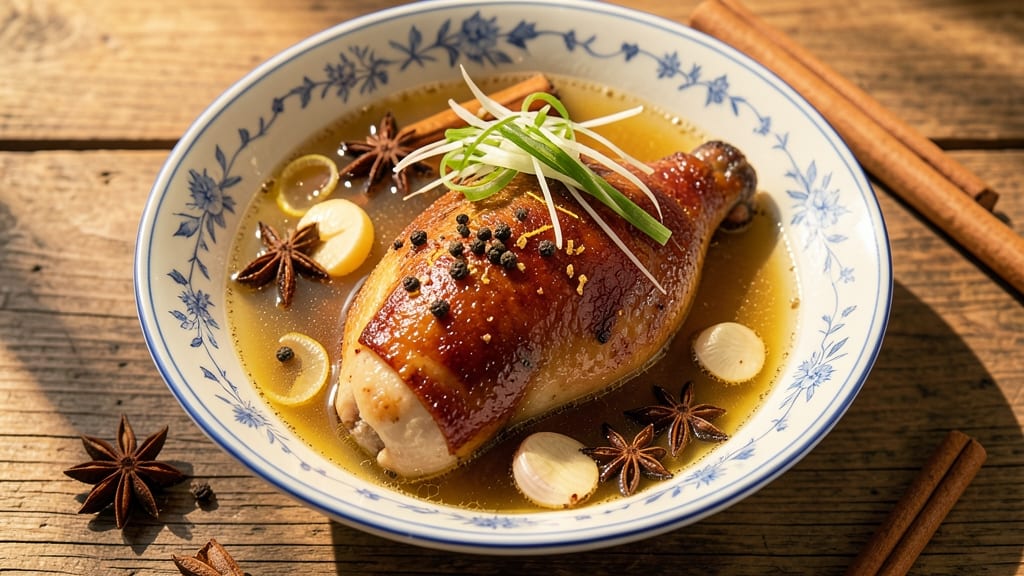
This authentic Chinese chicken soup recipe brings the soul-warming flavors of Cantonese home cooking to your kitchen table. The secret lies in slow-simmered broth infused with star anise, ginger, and cinnamon—aromatic spices that transform simple ingredients into a fragrant, healing elixir.
I’ve perfected this version over years of testing, ensuring every sip delivers the perfect balance of savory, herbal, and umami notes that define classic Chinese comfort food.
The foundation of an authentic soup begins with bone-in chicken and a carefully built broth, where spices like star anise and Sichuan peppercorns (if using) develop deep, complex flavors over time. Unlike quick broths, this method requires patience—simmering for hours to extract maximum flavor while keeping the meat tender.
The result? A clear, golden broth that’s rich yet light, with subtle sweetness from ginger and a hint of warmth from the spices.
What makes this recipe truly special is its versatility—serve it as a standalone meal with steamed rice and bok choy, or customize it with regional twists like Sichuan chili oil or Cantonese-preserved vegetables.
The broth alone is worth the effort, but the tender chicken and optional additions (shitake mushrooms, wood ear mushrooms, or even a soft-boiled egg) elevate it to restaurant-quality depth.
Whether you’re recovering from illness, craving a nostalgic taste of home, or simply seeking a dish that nourishes both body and soul, this soup delivers. The aroma alone will fill your kitchen with the promise of warmth and tradition.
Let’s begin with the broth—the heart of every great Chinese chicken soup.
Ingredients for authentic chinese chicken soup
Bone-in chicken, aromatic spices, and slow-simmered broth create this Cantonese comfort classic.
| Ingredient | Amount | Notes |
|---|---|---|
| Bone-In Chicken Pieces 🍗 | 2 lb | Thighs and drumsticks preferred |
| Fresh Ginger Root 🧅 | ½ cup | Peeled and sliced into coins |
| Star Anise Pods 🌿 | 2 whole | Whole, not ground |
| Cinnamon Sticks 🍃 | 2 whole | 1-inch pieces preferred |
| Sichuan Peppercorns 🌶️ | 1 tsp | Optional for numbing spice |
| Garlic Cloves 🧄 | 6 cloves | Peeled and smashed |
| Green Onions 🧅 | 2 whole | White and green parts separated |
| Dried Shiitake Mushrooms 🍄 | 4 whole | Rehydrated in hot water |
| Dried Wood Ear Mushrooms 🍄 | 2 whole | Rehydrated in hot water |
| Light Soy Sauce 🥄 | ¼ cup | Kikkoman preferred |
| Shaoxing Wine 🍷 | ¼ cup | Substitute dry sherry |
| Sesame Oil 🫒 | 1 tbsp | For finishing |
| Jasmine Rice 🍚 | 1 cup | Uncooked, for serving |
| Bok Choy 🥬 | 2 whole | Baby or regular |
| Salt 🧂 | 1 tsp | Kosher or sea salt |
The star anise and cinnamon are non-negotiable for authentic flavor—buy whole pods from Asian markets or bulk spice shops like Penzeys. Sichuan peppercorns add that signature numbing heat, but skip them if you prefer milder soup. Fresh ginger should be vibrant and firm—no wrinkly roots. For the mushrooms, dried shiitake and wood ear from Asian grocery stores (like H Mart) give the best texture and depth. If you can't find them, rehydrated canned mushrooms work in a pinch, but they lack complexity. The chicken? Thighs and drumsticks stay juicier than breasts during long simmering—look for bone-in pieces at the meat counter.
No Shaoxing wine? Dry sherry or even white wine vinegar will work, though the flavor won't be identical. Light soy sauce is key—Kikkoman or Pearl River Bridge are reliable brands. For the mushrooms, if you can't find dried, fresh shiitake or cremini mushrooms sliced thin will substitute, but they won't rehydrate the broth the same way. The green onions should be bright and crisp—save the white parts for the broth and reserve the greens for garnish. Sesame oil is for finishing only—add it at the very end to preserve its nutty aroma. And if you're feeling adventurous, a soft-boiled egg dropped into a bowl of the hot soup is a classic touch.
This soup tastes even better the next day as the flavors meld. Store the broth and chicken separately in the fridge for up to 4 days, then reheat gently. The mushrooms and greens can be added fresh when reheating. For freezing, portion the broth into 1-cup containers—it keeps for 3 months. The rice and bok choy should be cooked fresh when serving. Pro tip: Make a double batch of broth—the extra keeps for 1 week in the fridge and makes quick lunches with noodles or rice.
Why You'll Love This Recipe
- No-Chop Start: I swear by this—just toss in whole ginger slices and star anise, no peeling or mincing. The bones simmer down to rich broth while I sip tea, no chopping board in sight.
- Deep Umami Magic: That first sip? Pure flavor bomb. Sichuan peppercorns add a tingling warmth, cinnamon brings sweet depth, and the ginger—oh, the ginger—makes every bite taste like a hug from my aunt’s kitchen.
- Leftovers That Shine: This soup only gets better the next day. The chicken falls off the bone, and the broth reduces to a velvety consistency. I freeze portions for lazy Mondays when I’d rather not cook.
- Pantry Powerhouse: Honestly, I use the same spices for stir-fries and curries. A few whole pods and sticks last months, and bone-in chicken is cheaper than breasts. My wallet and I both win.
Step-by-step instructions for authentic Chinese chicken soup
This method delivers restaurant-quality broth with deep aromatic layers and tender chicken every time.
Prepare the Chicken and Aromatics
Rinse the 2 lb bone-in chicken pieces thoroughly under cold water and pat them completely dry with paper towels. This step is crucial—any moisture will prevent proper browning. In a large bowl, combine the chicken with the 0.5 cup sliced fresh ginger root, 6 smashed garlic cloves, 1 tsp salt, and the 2 whole green onions (white parts only, chopped). Massage the mixture gently to ensure the aromatics adhere to the chicken skin.
Meanwhile, prepare the dried mushrooms by soaking the 4 whole dried shiitake mushrooms and 2 whole dried wood ear mushrooms in separate bowls of hot water for 20 minutes. This rehydration process is essential for developing their umami depth. Drain and set aside, reserving the soaking liquid for later use in the broth.
Build the Fragrant Broth Base
Heat a large pot or Dutch oven over medium heat. Add the chicken pieces skin-side down and cook undisturbed for 8-10 minutes until the skin turns golden brown and crispy. This initial searing locks in juices and creates the foundational flavor. Flip the chicken pieces and continue cooking for another 2 minutes before removing them from the pot and setting aside.
In the same pot, add the 2 whole star anise pods, 2 whole cinnamon sticks, and 1 tsp Sichuan peppercorns (if using). Toast these spices for 1 minute until fragrant—you'll smell their aromatic oils releasing. Pour in the 0.25 cup Shaoxing wine and let it simmer for 2 minutes to cook off the alcohol completely. Add the reserved mushroom soaking liquid (about 1 cup) and bring to a gentle boil.
Simmer the Chicken and Infuse Flavors
Return the chicken to the pot, along with 8 cups of water (enough to cover the chicken by 1 inch). Bring to a rolling boil, then reduce heat to low and skim off any foam that rises to the surface during the first 10 minutes of simmering. This ensures a clear, clean broth. Add the rehydrated mushrooms (torn into bite-sized pieces) and the remaining white parts of the 2 whole green onions.
Cover the pot and simmer gently for 45-50 minutes, maintaining a temperature of 185-195°F. The chicken is done when it's fork-tender and the meat slides off the bone easily. If the broth reduces too much, add hot water as needed to maintain the proper level. The soup should develop a rich, golden color and an intoxicating aroma from the star anise and ginger.
Finish and Serve
Once the chicken is fully cooked, carefully remove it from the broth and transfer to a cutting board. Strain the broth through a fine-mesh sieve into a clean pot, pressing gently on the solids to extract maximum flavor. Discard the solids. Return the broth to a simmer and stir in the 0.25 cup light soy sauce, allowing it to meld with the broth for 5 minutes.
Cut the chicken into bite-sized pieces and return them to the pot. Add the 1 tbsp sesame oil and swirl to combine. Taste and adjust seasoning with additional salt if needed. To serve, divide the 1 cup cooked jasmine rice among bowls and ladle the hot soup over the rice. Top each serving with the 2 whole bok choy (halved lengthwise) and the remaining green onion tops. The soup should be fragrant, clear, and deeply flavorful with layers of ginger, star anise, and umami from the mushrooms.
Pro Tips For Making Authentic Chinese Chicken Soup
- BLANCH CHICKEN FIRST: I learned this the hard way—skipping the quick blanch (3-4 minutes in boiling water) means your broth will be cloudy and the chicken will take forever to tenderize. Rinse the blanched chicken under cold water to stop cooking, then proceed with your spices—this cuts simmering time by 20 minutes.
- JULIENNE GINGER THINLY: Thick slices of ginger just sit there like decorative rocks. Use a mandoline or knife to slice it paper-thin (1-2mm) so it infuses the broth properly. Toss the slices into the pot early—they’ll melt into the broth, adding depth without bitterness.
- DON’T CROWD THE POT: I used to jam all the chicken pieces in there at once, thinking more space wouldn’t matter. Wrong. Leave at least 1 inch between pieces so they poach evenly and don’t steam in their own juices. If your pot is small, work in batches—your broth will thank you.
- TOAST SPICES SEPARATELY: Star anise, cinnamon, and Sichuan peppercorns need a quick dry toast (30 seconds in a dry pan) before hitting the broth. This unlocks their flavors instead of letting them turn the soup medicinal. Toss them in the pot right after the chicken starts simmering—no need to remove them later.
Creative variations of this authentic chinese chicken soup
Cantonese Home Style
This classic version focuses on a clear, golden broth with tender chicken and minimal additions. The key is using dried shiitake and wood ear mushrooms for umami depth, while keeping the broth light enough to sip through a straw—a Cantonese tradition.
I often add a soft-boiled egg at the table, where diners crack it into their bowls for extra richness. The aroma from star anise and ginger should be the first thing that greets you when you walk into the kitchen. 🌿
Sichuan Spicy Twist
For heat lovers, transform this into a Sichuan-style spicy soup by adding 1 tbsp chili oil and 1 tsp ground Sichuan peppercorns directly to the broth. The numbing-spicy kick comes from the peppercorns, while the chili oil adds visible red streaks.
I like to serve this with hand-pulled noodles instead of rice and top with preserved vegetables for tangy contrast. The broth will have a deeper red hue and a lingering warmth. 🌶️
Winter Comfort Version
Boost the warming properties by adding 1 tbsp goji berries and 1 slice of fresh ginger (extra for good luck in Chinese culture) during the final 10 minutes of simmering. The goji berries add a subtle sweetness that balances the savory broth, while the extra ginger enhances the immune-boosting properties.
This version is perfect for cold months and pairs beautifully with steamed dumplings on the side. The berries also make the soup visually appealing with their bright red color. ✨
Vegetarian Adaptation
Replace the chicken with 2 cups extra-firm tofu (pressed and cubed) or 1 lb shiitake mushrooms (sliced). For extra depth, add 1 tbsp mushroom powder to the broth. The tofu should be added during the last 15 minutes of simmering to prevent it from absorbing too much liquid.
I find that wood ear mushrooms add a delightful chewiness that mimics the texture of chicken. Garnish with thinly sliced scallions and a drizzle of chili oil for color and heat. 🥬
Regional Hong Kong Style
Hong Kong versions often include preserved mustard greens (youtiao cai) for a tangy, slightly sweet contrast. Add 2 tbsp of these greens during the final 5 minutes of simmering, along with 1 tsp sugar to balance the sourness.
The preserved greens also add a beautiful green color to the broth. Serve with butter-fried rice on the side, and
Nutrition facts
Frequently asked questions
Why does authentic Chinese chicken soup use star anise and cinnamon?
These spices are essential for creating the signature aromatic profile of traditional Chinese soups. Star anise adds a subtle licorice-like sweetness, while cinnamon contributes warmth and depth. Together, they create the comforting, fragrant base that defines the soup's character.
Can I use chicken breasts instead of thighs and drumsticks?
While possible, bone-in thighs and drumsticks are ideal because they stay juicier during the long simmer and contribute flavorful bones to the broth. Chicken breasts will turn out drier and won't infuse the broth as richly. If you must use breasts, add them only in the last 15 minutes of cooking.
How do I adjust this recipe for spicier Sichuan-style soup?
Add 1 tbsp chili oil and 1 tsp ground Sichuan peppercorns directly to the broth during the final 5 minutes of cooking. The peppercorns create that signature numbing sensation, while chili oil adds visible red streaks and heat. Serve with hand-pulled noodles instead of rice for an authentic Sichuan experience.
What's the best way to store leftovers?
Store the broth and chicken separately in airtight containers in the fridge for up to 4 days. The broth can be frozen for 3 months in 1-cup portions. Reheat gently, adding fresh mushrooms and greens when serving. The rice and bok choy should always be cooked fresh for the best texture.
Can I make this soup in an Instant Pot?
Yes, but with adjustments: Sear the chicken first, then add all broth ingredients and cook on high pressure for 30 minutes. Release pressure naturally, then strain and finish with soy sauce and sesame oil. The Instant Pot version will be slightly less aromatic since spices don't toast as deeply, but it's faster and convenient.