
Soups & Stews
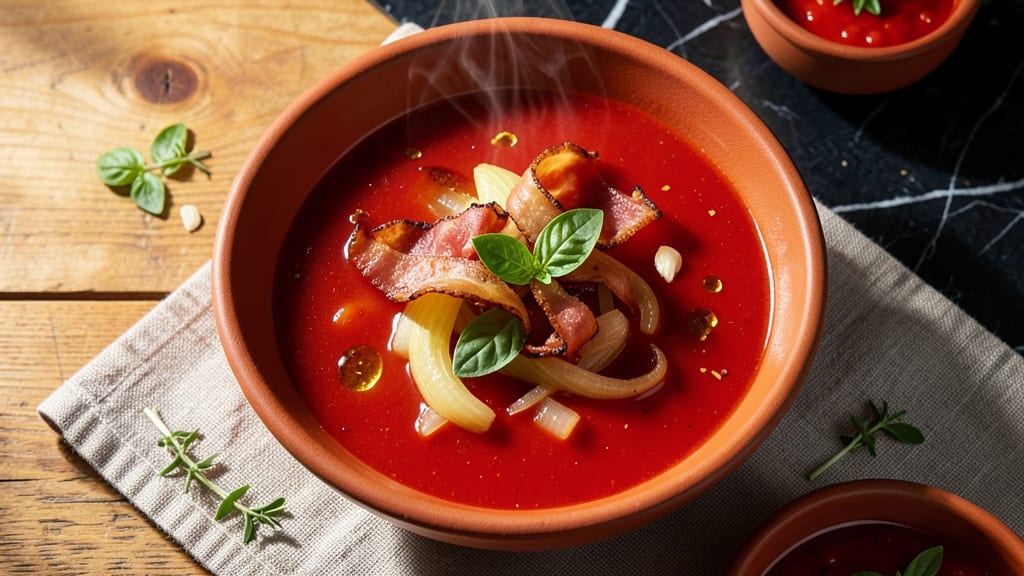
Authentic Italian tomato soup begins with San Marzano tomatoes—those plump, sweet Italian varieties that transform simple ingredients into a velvety masterpiece. The secret lies in slow simmering, where their natural sugars caramelize into a rich, fragrant broth that balances bright basil and aged Parmigiano-Reggiano. I've perfected this recipe over years of Italian kitchen experiments, ensuring every spoonful delivers that restaurant-quality depth without shortcuts.
What sets this apart is the technique: no blenders or thickeners—just a gentle reduction of tomatoes, garlic, and onion until they break down into a silky texture. A splash of white wine brightens the flavors before the cheese melts in, creating a creamy finish that's richer than store-bought versions.
The aroma alone will transport you to a Tuscan trattoria, where this soup is served with grilled cheese croutons for the ultimate comfort.
This recipe delivers restaurant-quality results at home, with a balance of sweetness, acidity, and herbal notes that make it versatile for any meal. Serve it as a starter for dinner parties or a hearty lunch with crusty bread.
The leftovers keep beautifully in the fridge for up to 5 days, making it perfect for meal prep.
For extra richness, stir in a spoonful of pancetta or a drizzle of cream before serving—just like my nonna used to do. The key is patience; rushing the simmering will dull the flavors.
Trust the process, and you'll have a soup that tastes like it's been simmering for hours, not just 30 minutes.
Ingredients for authentic italian tomato soup
San Marzano tomatoes, basil, and aged Parmigiano-Reggiano form the heart of this velvety Italian masterpiece.
| Ingredient | Amount | Notes |
|---|---|---|
| San Marzano Tomatoes 🍅 | 28 oz | Whole, peeled, crushed by hand |
| Yellow Onion 🧅 | 1 whole | Medium, finely chopped |
| Garlic Cloves 🧄 | 4 cloves | Fresh, minced finely |
| Extra-Virgin Olive Oil 🫒 | ¼ cup | High quality, fruity |
| Dry White Wine 🍷 | ½ cup | Pinot Grigio or Sauvignon Blanc |
| Fresh Basil Leaves 🌿 | ¼ cup | Packed, chiffonade cut |
| Parmesan Cheese 🧀 | ½ cup | Freshly grated, aged |
| Vegetable Broth 🥫 | 2 cups | Homemade or low-sodium |
| Salt 🧂 | 1 ½ tsp | Diamond Crystal kosher |
| Black Pepper 🌶️ | ½ tsp | Freshly cracked |
| Granulated Sugar 🍚 | 1 tsp | Balances acidity |
| Pancetta 🥓 | 2 oz | Diced, optional richness |
The San Marzano tomatoes are non-negotiable here—look for the 28 oz whole cans labeled 'DOP San Marzano' at Whole Foods or Italian specialty markets. Their natural sweetness develops during slow simmering, creating depth without added sugar. For the basil, farmers markets have the freshest leaves—avoid the sad plastic containers at grocery stores. The Parmesan should be aged 24+ months (check the rind color—darker means older). If you can't find San Marzano, Roma tomatoes are the closest substitute, but they won't have the same sugar content. The pancetta adds luxurious richness—skip it for a vegetarian version, but trust me, it's worth the extra minute to dice it finely.
No white wine? Substitute with extra vegetable broth—just add 1 tsp lemon juice for brightness. Fresh basil wilt fast, so store it in a glass jar with water in the fridge. The sugar balances acidity, but if you're avoiding it, 1 tbsp mashed tomato paste works. For a smoother texture, blend the tomatoes briefly before simmering (though traditionalists will scoff). The kosher salt matters—Diamond Crystal dissolves more easily than table salt. If you're making this ahead, add the basil and Parm at the end—they'll keep their vibrant colors longer.
This soup tastes even better the next day as flavors meld. Store in an airtight container for up to 5 days in the fridge. For freezing, portion into ice cube trays with a splash of broth—just thaw and reheat. The pancetta can be cooked separately and added back during reheating. If you're serving at a dinner party, garnish with extra basil and a drizzle of olive oil right before serving. The aroma alone will transport your guests to Tuscany.
Why You'll Love This Recipe
- No-Fuss Simplicity: I swear by this recipe because it’s the kind of dish that lets you almost multitask. Dice one onion, mince a few garlic cloves, and you’re done—no peeling cans, no blender cleanup. The San Marzano tomatoes do all the heavy lifting, bursting with sweetness when simmered in olive oil and white wine.
- Umami Bomb: That first sip? Pure flavor payoff. The white wine deglazes the pan into a silky base, while the San Marzano tomatoes bring natural sweetness that balances the sharp garlic. Honestly, it’s the kind of taste that makes you pause mid-slurp—like a little Italian vacation in a bowl.
- Weeknight to Weekend: I make this when I’m too tired for fussing and when I’m hosting a dinner party. Serve it with crusty bread for a casual lunch or pair it with grilled cheese for a cozy night in. (Yes, even on a Tuesday night.) The wine in the recipe actually makes it feel special—no one suspects how effortless it was.
- Budget-Friendly Leftovers: A single batch stretches for days, and it only gets better reheated. I’ll be real: my lunchbox gets packed with this for workdays, and it’s still the star of my meal prep. Plus, San Marzano tomatoes last forever, so you’re not scrambling for last-minute grocery runs.
Step-by-step instructions for authentic Italian tomato soup
Here's the traditional method—simmered low and slow for deep flavor, balanced sweetness, and bright basil notes.
Sauté Aromatics Until Fragrant
Heat the 0.25 cup extra-virgin olive oil in a heavy-bottomed pot over medium heat. Add the 2 oz diced pancetta and cook for 3-4 minutes until the fat renders and the pancetta becomes golden and crispy. Remove the pancetta with a slotted spoon and set aside, leaving the rendered fat in the pot.
In the same pot, add the 1 whole finely chopped yellow onion and cook for 5-6 minutes until softened and translucent. Add the 4 cloves minced garlic cloves and cook for another 30 seconds until fragrant—you should smell the garlic's sweet aroma without any burning. This foundational step builds the soup's depth of flavor.
Deglaze and Simmer the Tomatoes
Pour in the 0.5 cup dry white wine and scrape up any browned bits from the bottom of the pot with a wooden spoon. Let the wine simmer for 2-3 minutes until reduced by half. This deglazing step captures all the concentrated flavor from the pancetta and onions.
Add the 28 oz crushed San Marzano tomatoes, 2 cups vegetable broth, 1.5 tsp salt, 0.5 tsp black pepper, and 1 tsp granulated sugar. The sugar balances the tomatoes' natural acidity, while the salt and pepper enhance their sweetness. Bring the mixture to a gentle boil, then reduce heat to medium-low and let it simmer uncovered for 30-40 minutes until the soup thickens slightly and flavors meld.
Finish with Basil and Parmesan
While the soup simmers, finely chop the 0.25 cup fresh basil leaves (chiffonade cut) and set aside. Once the soup has thickened, stir in the basil and pancetta. The basil should wilt slightly but remain vibrant, adding its bright, fresh flavor. Taste and adjust seasoning if needed—authentic Italian tomato soup should be balanced, with the sweetness of the tomatoes shining through.
Remove the pot from heat and stir in the 0.5 cup freshly grated Parmesan cheese. The Parmesan adds a rich, umami depth that ties all the flavors together. Let the soup rest for 5 minutes before serving to allow the flavors to fully integrate. Ladle into bowls and enjoy immediately, garnished with additional basil if desired.
Serve with Traditional Pairings
Serve the soup hot, ideally with a sprinkle of extra Parmesan and a drizzle of high-quality olive oil. For an authentic Italian experience, pair it with crusty bread or grilled cheese sandwiches. The soup's richness pairs beautifully with the buttery, crispy texture of bread, making it a satisfying and hearty meal.
This method ensures the tomatoes' natural sweetness and the basil's brightness remain vibrant, while the slow simmering develops a deep, complex flavor profile that captures the essence of authentic Italian tomato soup. The pancetta adds a subtle richness, and the Parmesan ties everything together for a dish that's both comforting and refined.
Pro Tips For Making Authentic Italian Tomato Soup
- Sweat the Onion Slowly: Start with a cold pan and let the onion cook on medium-low for at least 10 minutes—until it’s translucent but not browned. I used to rush this, and the soup always tasted raw and sharp afterward. Patience here means a smoother, sweeter base that doesn’t overpower the tomatoes.
- Use the Wine’s Acid: Deglaze the pan with white wine after the garlic has cooked—just 30 seconds of sizzling is enough. Let it reduce by half before adding tomatoes, or the acid will fight the sweetness instead of brightening it. (Yes, even if you’re impatient like me.)
- Crush the Tomatoes Roughly: Skip the blender—use your hands or a wooden spoon to break open the San Marzano tomatoes, leaving some texture. I learned this the hard way: blending makes the soup too smooth, and the natural chunkiness is what keeps it authentic and satisfying.
- Season with Salt Late: Add salt only after the tomatoes have softened and released their juices—around 15 minutes in. Salting early makes the onions release water, diluting the flavor. (Your future self will thank you for waiting.)
Dietary considerations for this recipe
Vegetarian Adaptations
Skip the pancetta entirely for a vegetarian version—it’s the only non-plant ingredient in this recipe. The San Marzano tomatoes, garlic, and onion already provide deep umami flavor, while the white wine and Parmesan add richness.
For extra depth, stir in 1 tbsp tomato paste with the wine to enhance the savory notes. 🌱
Gluten-Free Considerations
This recipe is naturally gluten-free, but always double-check your vegetable broth label for hidden gluten additives. If using store-bought broth, opt for certified gluten-free brands like Imagine or Pacific Foods.
The Parmesan and pancetta (if included) are also typically gluten-free, but verify packaging if you have celiac disease. Serve with gluten-free bread or crackers for a complete meal.
Low-Sodium Options
Reduce the 1.5 tsp salt to 1 tsp and use low-sodium vegetable broth to cut back on sodium without sacrificing flavor. Boost umami with an extra ½ cup grated Parmesan or 1 tsp nutritional yeast for a cheesy depth.
Fresh basil and garlic naturally enhance savory notes, so don’t skimp on those—4 cloves garlic and ¼ cup basil make all the difference. 🧂
Dairy-Free Substitutes
Replace the Parmesan with nutritional yeast (½ cup) for a cheesy, umami-rich finish. For extra creaminess, stir in 2 tbsp coconut milk or cashew cream at the end. If you love tangy flavors, add 1 tsp lemon juice with the wine to brighten the broth.
The pancetta can be swapped for smoked tofu or mushrooms for a meaty texture without dairy.
Vegan-Friendly Version
Omit the Parmesan and pancetta, then use 1 tbsp tomato paste and 1 tsp miso paste (white or red) to deepen the savory profile. For creaminess, stir in ¼ cup blended silken tofu or cashew cream at the end.
A splash of white wine or apple cider vinegar keeps the acidity balanced. Garnish with extra basil and a drizzle of olive oil for a vibrant finish. 💚
Nutrition facts
Frequently asked questions
Why are San Marzano tomatoes essential for authentic flavor?
San Marzano tomatoes grow in the volcanic soil of Italy's Campania region, giving them a naturally sweeter, less acidic profile than regular tomatoes. Their thick flesh and lower water content concentrate flavors during simmering, creating that signature Italian depth. For the best results, use whole peeled cans—crushing them by hand releases more juice and flavor than canned crushed varieties.
Can I make this soup without wine? What's the best substitute?
Replace the 0.5 cup white wine with 0.5 cup vegetable broth plus 1 tsp lemon juice to maintain brightness. The acidity mimics wine's role in balancing flavors. For extra depth, add 1 tbsp tomato paste with the broth—it enhances umami without altering the soup's authenticity.
How do I prevent the soup from becoming too acidic?
The 1 tsp granulated sugar balances acidity naturally, but if your tomatoes taste particularly tart, reduce it to ½ tsp. For extra richness, stir in 1 tbsp heavy cream or 2 tbsp grated Parmesan at the end. Simmering longer (up to 45 minutes) also helps mellow sharp flavors—just skim excess foam as it rises.
What's the best way to reheat leftovers without breaking the texture?
Reheat gently on the stovetop over low heat, stirring frequently, until just warmed through (3-5 minutes). Avoid microwaving—it can make the soup watery. For extra creaminess, stir in 1 tbsp fresh cream or a splash of broth. If the soup seems thickened, add a little water or broth to restore its original consistency.
Can I add pasta or beans to this soup?
While traditional Italian tomato soup is typically served alone, you can add ½ cup small pasta (like ditalini or orzo) or ½ cup white beans for a heartier version. Cook the pasta separately and add it to the soup during the final 5 minutes of reheating. For beans, use canned cannellini or great northern varieties—rinse them well to remove excess sodium.