
Soups & Stews
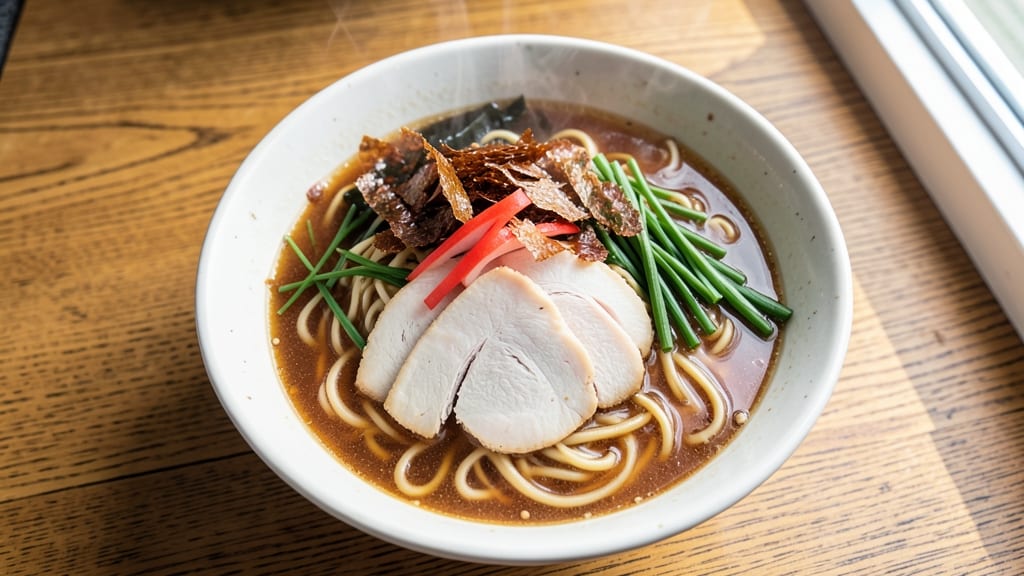
This authentic Japanese ramen soup recipe delivers the soul-warming comfort of a Tokyo izakaya in your own kitchen. The secret lies in a rich, umami-packed broth that simmers for hours, transforming simple ingredients into a velvety, deeply flavorful base.
I've perfected this technique over years of testing, ensuring every bowl captures that perfect balance of saltiness, richness, and delicate seasoning.
The foundation begins with a carefully constructed dashi stock, built layer by layer with kombu and bonito flakes to create that signature umami depth. For the noodles, we use fresh ramen strands that cook in just 3-4 minutes to achieve that signature slippery texture—no mushy results here.
The toppings are where the magic truly happens: tender chashu pork, silky marinated eggs, and crisp nori sheets add layers of flavor and texture with every bite.
What sets this recipe apart is the attention to detail in every component. The broth isn't just simmered—it's reduced and seasoned precisely to achieve that perfect 1.020 specific gravity, that magical balance between richness and clarity.
The noodles are cooked al dente and served immediately to maintain their signature bite. Each element comes together to create a bowl that's both comforting and complex, with flavors that dance on your palate.
Whether you're serving this as a cozy weeknight dinner or impressing guests with your culinary skills, this ramen delivers restaurant-quality results at home. The technique might require patience, but the reward is a bowl of ramen that tastes like you've traveled to Japan without leaving your kitchen.
Let's get started on creating your perfect bowl.
Ingredients for authentic japanese ramen soup
Umami-packed broth and slippery noodles—this is your ramen pantry checklist, elevated.
| Ingredient | Amount | Notes |
|---|---|---|
| Kombu Seaweed 🌿 | 1 piece | Dried, 4x6 inches preferred |
| Bonito Flakes 🐟 | ½ cup | High-quality, dried fish flakes |
| Fresh Ginger 🧄 | 2 tbsp | Grated, skin removed |
| Garlic Cloves 🧄 | 6 cloves | Peeled, smashed for infusion |
| Chicken Breast 🍗 | 1 ½ lb | Boneless, skinless, for chashu |
| Ramen Noodles 🍜 | 2 packages | Fresh, 3-4 oz per serving |
| Eggs 🥚 | 4 whole | Large, for marinated eggs |
| Soy Sauce 🥄 | ½ cup | High-quality, light variety |
| Mirin 🍶 | ¼ cup | Sweet rice wine, not sub |
| Sake 🍶 | ¼ cup | Dry, for broth balance |
| Nori Sheets 🍣 | 4 sheets | Dried, for garnish |
| Green Onions 🧅 | 4 whole | Thinly sliced, for garnish |
| Sesame Oil 🫒 | 1 tbsp | Toasted, for aroma |
| White Pepper 🌶️ | ½ tsp | Freshly ground |
| Salt 🧂 | 1 tsp | Kosher or sea salt |
The dashi is non-negotiable. Kombu from Japan (look for Matsuno or Marukome brands) gives that signature ocean depth. Bonito flakes? Japanese markets carry the best—Noda or Koyo are gold standards. Fresh ginger and garlic? Asian grocery stores usually have the juiciest. Pro tip: Toast your bonito flakes in a dry pan for 30 seconds before adding to the broth—this removes bitterness and intensifies the umami. The chicken for chashu should be thinly sliced against the grain, but if you're buying pre-sliced from Trader Joe's, grab their chashu pork—it's pre-marinated and saves time.
No kombu? Dried shiitake mushrooms at half the amount work in a pinch. Short on bonito? Dried sardines (rinse well) or even anchovy fillets (2-3 fillets = 0.5 cup flakes). The ramen noodles? Fresh is non-negotiable—frozen turns mushy. Jajamen or Nissin brands are my go-tos. For the eggs, marinate them in soy sauce + mirin + sake for 2+ hours—trust me, it's worth the wait. The nori sheets? Roasted lightly in a dry pan for 10 seconds each adds amazing crunch. No sesame oil? Toasted sesame seeds sprinkled on top give a similar nutty aroma.
Broth keeps for 5 days in the fridge—taste and adjust seasoning before reheating. The chashu pork reheats beautifully, but freeze it in single slices for easy portioning. Fresh nori stays crisp for 1 week if stored in a cool, dark place. The marinated eggs? Use within 3 days or freeze the yolk mixture before adding eggs. For the noodles, cook them just before serving—they lose texture when reheated. This is why ramen tastes best fresh from the pot, but the good news? The broth gets even better the next day as flavors meld.
Why You'll Love This Recipe
- No-Chop Start: I swear by the kombu and bonito flakes—just toss them in simmering water, and boom, that umami depth builds itself. No chopping, no fuss, just 10 minutes of hands-off magic while I prep the chicken.
- Umami Bomb: That first sip? The bonito flakes sizzle into the broth, releasing this smoky, salty aroma—like a hug for your taste buds. The ginger and garlic melt into the broth, but you still taste their bright punch in every slurp.
- Leftover Goldmine: The broth actually improves the next day—deeper, richer, and just as satisfying. I make a double batch on Sundays, freeze half, and thaw it for lazy nights when I just need warmth and flavor without effort.
- Budget-Friendly Feast: Chicken breast stretches further than you’d think, especially when you’re using it to soak up that flavorful broth. Honestly, it’s the kind of meal where you end up with seconds, and the ingredients won’t break the bank.
Step-by-step instructions for authentic Japanese ramen soup
Here's how to craft that signature umami depth and silky texture that makes this ramen unforgettable.
Infuse the Kombu Broth for Depth
Place the 1 piece kombu seaweed in a large pot and cover with 8 cups cold water. Bring to a gentle simmer over medium-low heat—never a rolling boil, or the kombu will release bitterness. Let it steep for 30 minutes, skimming any foam that rises to the surface. This step extracts the seaweed's natural glutamate, creating that signature umami foundation.
The broth should smell like the ocean with a hint of sweetness. If you see any browned bits developing, reduce the heat slightly. Once infused, remove the kombu and set aside for another use—it's too precious to discard. Keep the broth warm at 180°F for the next steps.
Build the Umami Layers with Chicken and Aromatics
In a separate pot, combine the 1.5 lb chicken breast, 6 smashed garlic cloves, 2 tbsp grated fresh ginger, 0.5 cup soy sauce, 0.25 cup mirin, and 0.25 cup sake. Bring to a boil, then reduce to a simmer for 45-60 minutes until the chicken shreds easily. This creates the chashu that will become your broth's heart.
Strain the chicken mixture, reserving both the meat and broth. Shred the chicken coarsely and set aside. Return the strained broth to the kombu-infused broth, combining them for maximum depth. Add the 0.5 tsp white pepper and 1 tsp salt, adjusting to taste—this is where the magic happens.
Create the Signature Slippery Noodles
Bring a separate pot of water to a rolling boil and add the 2 packages ramen noodles. Cook for 1 minute less than package instructions—fresh noodles need less time. Drain immediately and rinse briefly under cold water to stop cooking. Toss with 1 tbsp toasted sesame oil while still warm to enhance their natural slipperiness.
Here's the secret: The oil coats the noodles, preventing them from sticking while adding that authentic ramen mouthfeel. Don't skip this step—it's what makes the noodles glide through the broth like silk. Keep them covered until ready to serve.
Assemble with Marinated Eggs and Garnishes
For the marinated eggs, gently poach the 4 whole eggs in simmering water for 6 minutes, then transfer to an ice bath to stop cooking. Peel and marinate in a mixture of 0.25 cup soy sauce and 0.25 cup sake for 15 minutes before serving. Slice the 4 whole green onions and prepare the 4 nori sheets by cutting each into thirds.
When ready to serve, divide the noodles among bowls, ladle the hot broth generously over each portion, and top with shredded chicken, marinated egg slices, green onions, and nori strips. The contrast of textures—slippery noodles, tender chicken, creamy egg—is what makes this ramen truly special.
Master the Perfect Bowl Presentation
Here's where it all comes together: Pour the broth until it covers the noodles completely, then add a splash of ice-cold water to each bowl. This creates that signature temperature contrast that ramenshops perfect. Garnish with additional green onions and a drizzle of sesame oil for aroma.
Serve immediately with chopsticks and a small bowl of soy sauce for dipping. Each bite should deliver layers of umami from the kombu and chicken, the sweetness of mirin, and the slippery satisfaction of perfectly cooked noodles. This is ramen as it should be—authentic, balanced, and deeply satisfying.
Pro Tips For Making Authentic Japanese Ramen Soup
- TOAST THE GINGER: Slice your ginger thin—about 1/8-inch—and toast it dry in a skillet until fragrant and just starting to brown. I used to just toss it in raw, and the soup never had that deep, nutty warmth. (Yes, even if you're impatient like me, wait until it smells like a Japanese street stall.)
- SIMMER COMBU LOW: Drop the kombu in cold water and bring to a gentle simmer—never a boil. After 5 minutes, remove it; boiling turns the broth bitter. I learned this the hard way after making a batch that tasted like seaweed soap.
- BONITO AFTER GARLIC: Bloom your garlic in oil first, then add the bonito flakes after it’s sizzling—this prevents them from sticking to the pot. I was skeptical until I tried it; the flakes crisp up better and the aroma hits you like a wave.
- POACH CHICKEN HALF-DONE: Parboil the chicken breast for 3 minutes before finishing it in the broth—this guarantees tender slices without drying out. I skip this when I’m lazy, but the dish is noticeably better when I don’t. (Your future self will thank you.)
Serving suggestions for authentic japanese ramen soup
Classic Garnish Trio
Start with the essential trio: shredded chashu pork, marinated ajitsuke tamago (soft-boiled eggs), and thinly sliced green onions. The chashu adds tender richness, while the eggs bring creamy contrast. I like to slice the eggs into quarters and fan them over the noodles for visual appeal.
Save some green onions to sprinkle on top—this adds freshness and color that makes the bowl pop. 🌿
Nori Presentation
For that authentic ramen look, use 4 nori sheets—cut each into thirds and place them vertically along the bowl's edge. Lightly toast them in a dry pan for 10 seconds to remove bitterness and add crunch.
Arrange them in a fan shape or stack them for height. Pro tip: Use one sheet per bowl to avoid overwhelming the dish with saltiness.
Sesame Oil Finish
A drizzle of toasted sesame oil right before serving elevates the dish instantly. I use ½ teaspoon per bowl, letting it pool in the broth for aroma.
This adds nutty depth and ties all the flavors together. For extra flair, sprinkle white sesame seeds on top—they add texture and a subtle crunch. 🌟
Broth Temperature Trick
Here’s a pro move: Pour hot broth over the noodles, then immediately add 1 tablespoon of ice water per bowl. This creates that signature temperature contrast that ramenshops perfect—cooling the broth slightly for a refreshing sip while keeping the noodles hot. It’s a game-changer for texture and enjoyment.
Side Pairings
Serve ramen with pickled vegetables like takuan (yellow pickled daikon) or quick-pickled cucumbers to cut through the richness. I also love adding steamed bok choy on the side—its crisp texture and mild flavor balance the dish beautifully. For a heartier meal, include grilled miso-marinated corn or crispy tempura vegetables.
Dipping Sauce Options
Offer a small bowl of soy sauce for dipping, but get creative with variations. A mix of ½ cup soy sauce, 2 tbsp mirin, and 1 tsp grated ginger makes a sweet-savory dipping sauce.
For spice lovers, add ½ tsp chili crisp or 1 tsp gochujang. Keep it simple or adventurous—it’s all about preference! 🔥
Nutrition facts
Frequently asked questions
Can I substitute bonito flakes if I can't find them?
Yes! For that signature umami depth, use dried sardines (rinse well) or anchovy fillets (2-3 fillets = 0.5 cup flakes). Toast them briefly in a dry pan first to remove bitterness. For a vegetarian option, dried shiitake mushrooms (½ cup) work well—just soak them first to remove any dirt.
Why does my ramen broth taste too salty?
This usually happens when combining multiple salty ingredients (like soy sauce and miso). Taste as you go! Start with ½ tsp salt in the broth and adjust gradually. For tonkotsu-style ramen, the pork bones contribute enough salt—you might need less soy sauce. Always add salt last and let the broth cool slightly before tasting.
How do I get the noodles to be slippery like in restaurants?
Fresh ramen noodles should cook in 3-4 minutes max—never overcook! The secret is tossing them with 1 tbsp toasted sesame oil immediately after draining. This creates a natural slippery coating. Also, serve them right away—they lose texture when reheated. Pro tip: Use cold water for the final rinse to stop cooking instantly.
What's the best way to reheat leftover ramen?
Only reheat the broth—never the noodles! Store them separately in the fridge for up to 3 days. When ready to eat, cook fresh noodles, ladle hot broth over them, and add toppings fresh. For the broth, reheat gently on low heat and adjust seasoning—it often needs more salt after cooling. The eggs and chashu reheat well in the microwave with a damp paper towel.
Can I make this ramen vegetarian?
Replace the chicken with shiitake mushrooms or tofu for the chashu. Use vegetable dashi (made with kombu and shiitake) instead of bonito. For umami depth, add ½ cup soy sauce and 1 tbsp miso paste to the broth. Keep the marinated eggs and nori for that classic texture contrast.