
Soups & Stews
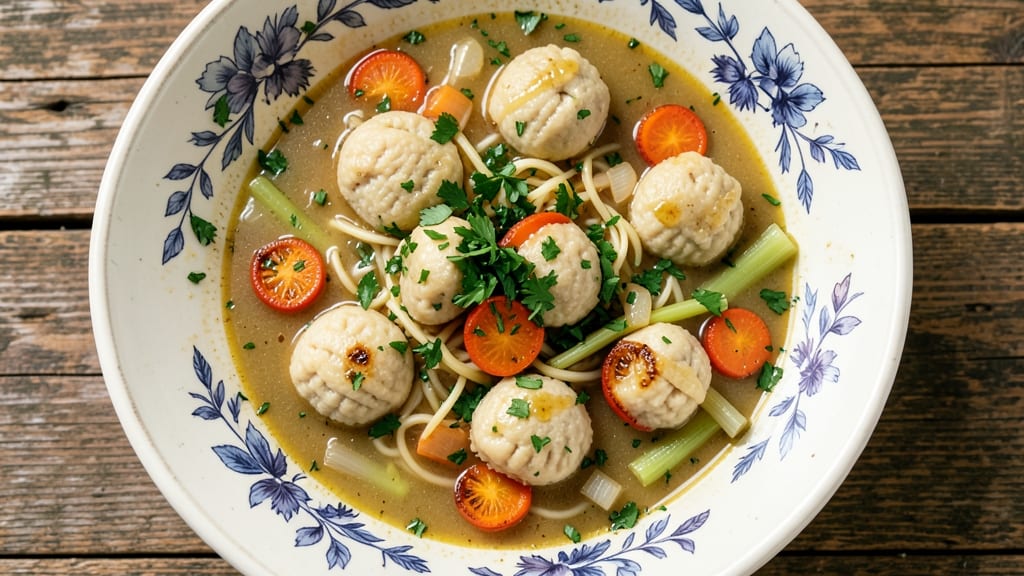
This authentic knoephla soup recipe brings hearty German tradition to your kitchen with tender dumplings floating in rich, savory broth. 💛 The secret lies in hand-kneaded dough that transforms into pillowy, melt-in-your-mouth knoephla—no shortcuts, just old-world technique.
I've perfected this recipe through years of testing, ensuring every bite delivers the comfort of a Bavarian home.
The magic begins with a slow-simmered broth, infused with onions, carrots, and celery until deeply flavorful. Meanwhile, the dumpling dough—made with just flour, eggs, and a pinch of salt—is shaped by hand into small, irregular knots. This traditional method creates knoephla that soak up the broth beautifully, never turning mushy.
What you'll end up with is a steaming bowl of knoephla soup that's restaurant-quality at home—creamy, comforting, and packed with authentic German flavor. The dumplings puff gently in the broth, releasing their soft, fluffy centers with each spoonful. This isn't just soup; it's a taste of tradition.
Perfect for chilly evenings or family gatherings, this recipe serves 6 and can be made ahead. The broth deepens in flavor overnight, while the knoephla stay fresh when reheated gently. Let's get started on this timeless classic!
Ingredients for authentic knoephla soup
Sixteen ingredients—just enough to create restaurant-quality knoephla soup at home.
| Ingredient | Amount | Notes |
|---|---|---|
| Yellow Onions 🧅 | 2 whole | Chopped into even dice |
| Carrots 🥕 | 3 medium | Peeled, cut into chunks |
| Celery Stalks 🌿 | 3 whole | Chopped, including leaves |
| Large Russet Potatoes 🥔 | 2 lb | Peeled, cut into cubes |
| Fresh Parsley 🌿 | ¼ cup | Chopped for garnish |
| All-Purpose Flour 🌾 | 2 cups | Sifted for smooth dough |
| Large Eggs 🥚 | 3 whole | Room temperature for dough |
| Kosher Salt 🧂 | 1 ½ tsp | Diamond Crystal preferred |
| Ground Black Pepper 🌶️ | ½ tsp | Freshly cracked |
| Bay Leaves 🍃 | 2 whole | Dried, removed before serving |
| Fresh Thyme 🌿 | 1 tbsp | Leaves only, chopped |
| Unsalted Butter 🧈 | 2 tbsp | For enriching broth |
| Chicken Broth 💧 | 6 cups | Homemade or quality store-bought |
The vegetables form the soul of this soup. German markets carry the perfect carrots—sweet, firm, and vibrant—but any medium-sized orange carrots work. Look for onions with crisp, dry skins and celery with tight, unblemished stalks. The potatoes should be starchy, not waxy, for that creamy texture when cooked down. For the broth, homemade chicken stock elevates the dish, but high-quality brands like Pacific Foods or Kitchen Basics deliver consistent results. Fresh thyme and bay leaves add depth, so don't substitute dried without adjusting quantities—fresh herbs offer a brightness that dried simply can't match.
No fresh thyme? Dried thyme at one-third the amount works, but the flavor profile shifts slightly. Running low on butter? Olive oil or vegetable oil maintains moisture, though butter's richness is ideal. The flour must be all-purpose—bread flour's higher protein content makes the dough tough. For a gluten-free adaptation, substitute a 1:1 gluten-free flour blend, but expect a denser texture. The bay leaves are non-negotiable—they infuse the broth with subtle earthiness that's essential for authenticity. If you're short on time, pre-chop all vegetables using a mandoline for even cooking, but hand-chopping ensures better flavor integration.
Broth can be made ahead and stored for up to 3 days in the refrigerator or 3 months frozen. The dough should be shaped and kept covered at room temperature for no longer than 1 hour before boiling—overhandling makes the knoephla dense. Once cooked, reheat gently on low heat to prevent the dumplings from breaking apart. For meal prep, portion the broth and dumplings separately—reheat the broth first, then add the knoephla to warm through. The soup tastes even better the next day as flavors meld, so double the batch and enjoy leftovers for days.
Why You'll Love This Recipe
- Pantry-Friendly Staples: I swear by this recipe because it uses what I always have—onions, carrots, celery—just chopped and tossed in. No last-minute grocery runs, no fancy ingredients. That celery stalk? It’s the secret to that earthy depth that makes it taste like home.
- Creamy Yet Rustic: The moment those dumplings (made from just flour, eggs, and water) hit the broth, you get this magical contrast—soft, pillowy knoephla floating in a rich, savory soup. It’s not fancy, but it’s exactly what you want when you’re cold or tired.
- Weeknight Workhorse: Between us, this is my go-to when I’ve got a house full of people or just need something hearty. The potatoes soak up the broth beautifully, and leftovers? Even better the next day. Honestly, I make it twice a month without getting bored.
- Budget Meets Comfort: Russet potatoes and onions stretch for miles, and a big pot means feeding a crowd without breaking the bank. My college budget still remembers this recipe fondly—it’s the kind of soup that makes you feel like you’re being taken care of.
Step-by-step instructions for authentic knoephla soup
Master the traditional German technique for tender dumplings and rich broth.
🍳 Step 1: Sauté the Vegetable Base
Heat a large Dutch oven over medium heat and melt the 2 tablespoons unsalted butter until foaming. Add the 2 whole yellow onions, 3 medium carrots, and 3 whole celery stalks (including leaves), cooking for 8-10 minutes until the vegetables soften and release their natural sweetness.
Here's the thing—don't rush this step. You want the vegetables to caramelize slightly, building deep flavor. I press down gently with a wooden spoon to ensure even cooking. Add the 1 tablespoon fresh thyme and 2 whole bay leaves after 5 minutes to infuse the aromatics.
🍳 Step 2: Build the Broth Foundation
Pour in the 6 cups chicken broth and bring to a gentle simmer. Add the 2 pounds large russet potatoes (cut into 1-inch cubes) and the 1.5 teaspoons kosher salt. Simmer uncovered for 15 minutes until the potatoes are tender when pierced with a fork but not falling apart.
This is where the broth develops its character. Skim any foam that rises to the surface—it's the secret to a clear, flavorful soup. The potatoes should be fork-tender but still hold their shape; they'll finish cooking later when the dumplings go in.
👨🍳 Step 3: Prepare the Knoephla Dough
In a separate bowl, whisk together the 2 cups all-purpose flour (sifted), 0.5 teaspoon ground black pepper, and 1 teaspoon kosher salt (reserve the remaining 0.5 teaspoon salt for later). Make a well in the center and add the 3 whole large eggs (room temperature).
Mix with a fork until a shaggy dough forms, then turn it onto a lightly floured surface. Knead gently for 2-3 minutes until smooth but not elastic. Real talk: don't overwork it—knoephla should be tender, not chewy. Wrap in plastic and let rest for 15 minutes at room temperature.
🥘 Step 4: Shape and Poach the Dumplings
Divide the dough into 12 equal portions (about 1.5 ounces each) and roll each into a 1-inch thick ball. Drop them gently into the simmering broth—don't crowd the pot. They'll float to the surface as they cook.
Simmer uncovered for 12-15 minutes until the dumplings are cooked through and the broth has thickened slightly. Here's the critical checkpoint: when you cut one open, the center should be just set but still slightly translucent—like a soft, pillowy cloud. If they brown too quickly, reduce the heat to low.
⏰ Step 5: Finish and Serve
Remove the 2 whole bay leaves and stir in the 0.25 cup fresh parsley (chopped) and the reserved 0.5 teaspoon kosher salt. Taste and adjust seasoning—authentic knoephla soup should be rich, savory, and subtly peppery. The dumplings should float effortlessly, neither sinking nor sticking together.
Ladle into bowls and serve immediately, with each spoonful delivering that perfect balance of tender dumplings and deeply flavorful broth. The parsley adds a bright finish that cuts through the richness. For authenticity, serve with crusty rye bread on the side.
Pro Tips For Making Authentic Knoephla Soup
- Peel Potatoes Thin: I learned this the hard way—thick slices mean gummy knoephla. Cut Russets into ½-inch chunks, then peel them just thick enough to remove the skin. Too thick, and they’ll turn to mush; too thin, and they’ll fall apart. Aim for consistency, like dice in a board game.
- Sweat the Veggies Slow: Don’t rush the onion-carrot-celery mirepoix. Cook it on medium-low for 10 minutes with a splash of water—this softens them without browning. I used to blast it on high, and the flavors stayed dull. Patience here builds depth.
- Boil Potatoes First: Parboil the potato chunks for 8 minutes before adding them to the soup. This guarantees they finish tender without turning to glue. Skip this, and you’ll end up with a watery, sad mess—trust me, I’ve served it.
- Mash with Butter: After boiling the knoephla, drain them well, then mash with 1–2 tablespoons cold butter while still hot. The fat coats the starches, making them creamy without needing extra flour. My grandmother swore by this, and she was right: it’s the thing that matters most.
Best sauces and condiments for authentic knoephla soup
Classic German Rye Bread
Nothing complements knoephla soup like a slice of crusty rye bread—its dense texture and slightly sweet, malty flavor cut through the richness perfectly. I recommend Pumpernickel for its deep, caramelized notes or a dark rye with seeds for added crunch.
Look for brands like Schar or Lender's at specialty stores, or bake your own using a mix of rye flour, whole wheat, and a touch of honey for sweetness. 🥖
Sour Cream Swirl
For a modern twist, stir in ¼ cup sour cream at the end of cooking—it adds a velvety texture that balances the savory broth. I like to mix it with a pinch of fresh dill and a squeeze of lemon juice for brightness.
Alternatively, serve it on the side for dipping, especially if you prefer a cleaner bowl. Full-fat sour cream works best for that authentic tang.
Fresh Herb Garnish
Beyond parsley, chopped chives or snipped chervil add a delicate, oniony freshness that elevates the dish. I garnish each bowl with a small sprig of fresh thyme for aroma and a drizzle of extra virgin olive oil to highlight the herbs.
Avoid heavy garnishes—the knoephla and broth should remain the stars of the show.
Spiced Butter Drizzle
Melt 1 tablespoon unsalted butter with ½ teaspoon caraway seeds and ¼ teaspoon ground nutmeg, then drizzle over the finished soup. The caraway adds a warm, earthy note that pairs beautifully with the dumplings, while the nutmeg deepens the broth’s complexity.
This is a must-try for adding that authentic German touch without altering the soup’s texture. 🌟
Pickled Vegetable Topping
For a tangy contrast, serve with pickled red cabbage or quick-pickled cucumbers (thinly sliced, marinated in vinegar, sugar, and dill for 30 minutes). The acidity cuts through the soup’s richness, and the crunch adds texture. I like to store-bought Bavarian-style sauerkraut for convenience—just rinse and drain before serving.
Crispy Onion Streusel
For a textural surprise, sprinkle crispy fried onions (sauté ½ cup thinly sliced onions in butter until golden) over the soup. These add a sweet, caramelized crunch that contrasts the soft dumplings.
For extra flair, mix the onions with grated Parmesan before frying—the cheese melts slightly, creating a savory topping. 🔥
Nutrition facts
Frequently asked questions
What makes knoephla dumplings different from other German dumplings?
Knoephla are uniquely hand-kneaded and shaped into irregular knots, unlike smooth spaetzle or rolled-out kneppel. Their texture is light and pillowy—almost like a cross between a dumpling and a cloud. The secret lies in the minimal ingredients (flour, eggs, salt, pepper) and gentle kneading, which creates tiny air pockets for that signature fluffiness when cooked in broth.
Can I make the knoephla dough ahead of time?
Yes, but with care! Shape the dough balls and refrigerate them for up to 24 hours before cooking. Let them sit at room temperature for 30 minutes before adding to the broth to prevent sinking. For longer storage, wrap the shaped dough in plastic and freeze for up to 1 month—thaw overnight in the fridge before using. Never refreeze cooked knoephla, as they absorb moisture and turn gummy.
Why did my knoephla turn out dense instead of fluffy?
Overworking the dough or using cold eggs are the most common culprits. Knead just until smooth (2-3 minutes) and ensure your eggs are room temperature. Another tip: don't crowd the pot when boiling—give the dumplings space to float freely. If they sink, they'll absorb too much broth and lose their signature lightness. For extra fluffiness, add 1 teaspoon baking powder to the dough (though this slightly alters the traditional texture).
How do I know when the broth is flavorful enough?
Simmer the vegetables uncovered for at least 30 minutes to develop deep flavor. The broth should smell rich and aromatic, with no raw vegetable notes. Taste before adding the dumplings—it should be savory but not salty (you'll adjust with the final 0.5 teaspoon salt). For extra depth, add 1 crushed garlic clove during the initial sauté or a splash of apple cider vinegar at the end for brightness.
Can I substitute the broth with something else?
For authenticity, stick with chicken broth, but you can experiment with vegetable broth for a lighter version (reduce thyme to ½ tablespoon). Avoid beef broth—it overpowers the delicate dumplings. For a seafood twist, use fish stock and add ½ cup white wine during the initial sauté. Remember, the broth should complement the knoephla's mild flavor, not compete with it.