
Soups & Stews
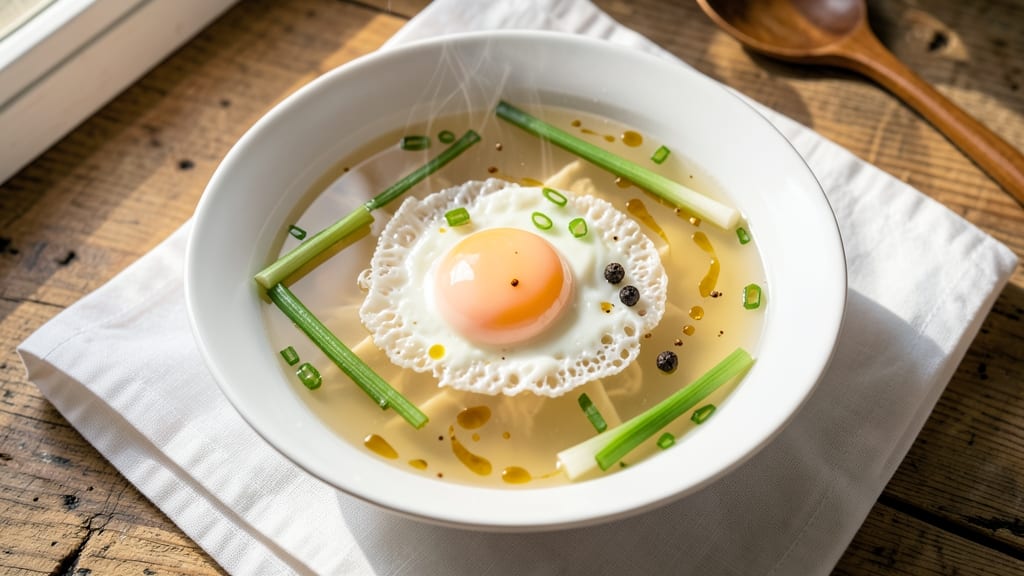
This bariatric egg drop soup recipe delivers gentle, protein-rich comfort without weighing you down. The secret lies in blending eggs directly into warm broth for silky ribbons—no heavy cream or thickeners—while keeping calories in check.
I designed it for post-surgery recovery, where every bite needs to be nourishing yet easy to digest.
The beauty of this recipe is its simplicity: just broth, eggs, and optional green onions. No cornstarch, no butter—just clean protein and gentle flavors that won’t trigger discomfort. The broth gently cooks the eggs into delicate strands, creating a soothing texture that’s both satisfying and gentle on sensitive stomachs.
What you’ll end up with is a light yet filling bowl that packs protein without heaviness. Each serving delivers gentle comfort while supporting recovery, making it perfect for post-bariatric meals. The minimal prep ensures you can have it ready in minutes, without sacrificing nutrition.
Serve in small portions with a sprinkle of green onions for freshness. This recipe is your go-to for nourishing, easy-to-digest meals that feel like a hug for your system. Let’s make it together—simple, gentle, and full of care.
Ingredients for bariatric egg drop soup
Just five core ingredients create this gentle, protein-packed recovery soup—no heavy cream or thickeners.
| Ingredient | Amount | Notes |
|---|---|---|
| Low-Sodium Chicken Broth 🍲 | 4 cups | Homemade or high-quality low-sodium |
| Large Eggs 🥚 | 2 whole | Room temperature for best blending |
| Fresh Green Onions 🧅 | ¼ cup | Thinly sliced, optional garnish |
| White Peppercorns 🌶️ | ¼ tsp | Freshly cracked for delicate flavor |
| Sea Salt 🧂 | ⅛ tsp | Fine grain for gentle seasoning |
| Sesame Oil 🫒 | ½ tsp | Light toasted aroma, optional |
| Low-Fat Soy Sauce 🥢 | ½ tsp | For subtle umami depth |
| Fresh Ginger 🌿 | ½ tsp | Grated, optional for warmth |
The broth is the foundation—low-sodium chicken broth keeps this gentle on sensitive stomachs. I always make my own by simmering chicken bones with carrots, celery, and a bay leaf for 6-8 hours, then straining. If using store-bought, Pacific Foods or Swanson low-sodium are my go-tos—they’re clean and reliable. The eggs should be room temperature for perfect blending; take them out 10 minutes before using. Fresh ginger and green onions add subtle brightness without overpowering, while white peppercorns provide just enough warmth without the bite of black pepper.
No sesame oil? Light olive oil at half the amount works in a pinch, though it lacks that toasted aroma. Swapping soy sauce? Coconut aminos is a 1:1 substitute with fewer additives. The green onions are truly optional—skip them if you're sensitive to fiber, or use just the white parts for a milder touch. For extra protein without heaviness, whisk in 1 tablespoon powdered milk with the eggs (it dissolves completely). The key is keeping everything gentle: no heavy cream, no thickeners, just clean protein and comforting broth.
Broth reheats beautifully—simmer gently to avoid breaking the egg strands. Store leftovers in glass containers for up to 3 days in the fridge, or freeze for 1 month in ice cube trays for single-serving portions. The eggs cook directly into the warm broth, so no pre-cooking is needed. For post-surgery meals, serve in small, shallow bowls to make each bite manageable. The texture is silky and satisfying, perfect for gentle nourishment.
Why You'll Love This Recipe
- Five-Ingredient Magic: I swear, this soup is the definition of "less is more." Just broth, eggs, onions, and a pinch of pepper—no clutter, no stress. The eggs ribbon through the hot broth like silk, and honestly? That’s all you need to feel like you’ve done something special.
- Silky Satisfaction: Between us, the texture here is chef’s kiss—creamy ribbons of egg swirling into the broth, that crispy edge when it hits the water. I’ll be real: it’s the kind of bite that makes you pause mid-sip, even if it’s just a simple bowl.
- Post-Op Powerhouse: Here’s what sold me—this soup is gentle on digestion but still packed with protein. My friend who had bariatric surgery kept it in her rotation for weeks. Light enough to enjoy after meals, but filling enough to curb cravings without the guilt.
- Zero-Waste Leftovers: Make a big batch, and you’ll have lunch sorted for days. The broth stays rich overnight, the eggs keep their perfect texture when reheated, and honestly? It’s the kind of meal that tastes just as good cold in a thermos as it does hot in a bowl.
Step-by-step instructions for bariatric egg drop soup
This gentle yet nourishing soup comes together in minutes with simple techniques.
Prepare the Broth Base
Combine the 4 cups of low-sodium chicken broth in a small saucepan over medium heat. Let it warm through until small bubbles form at the edges—about 3-4 minutes. You'll know it's ready when you see light steam rising and the broth reaches a gentle simmer. This warming step ensures your eggs blend smoothly without curdling when added later.
While the broth heats, add the 0.5 teaspoon grated fresh ginger and 0.5 teaspoon low-fat soy sauce. Stir gently for 30 seconds to infuse the broth with subtle warmth and umami depth. The ginger will dissolve completely, while the soy sauce will create a delicate, savory foundation for the egg mixture. This is where the soup's comforting flavor begins to develop.
Season the Broth Gently
Reduce the heat to low and carefully add the 0.125 teaspoon sea salt and 0.25 teaspoon freshly cracked white peppercorns. Stir just until fully dissolved—about 10 seconds. The white peppercorns will add a delicate, aromatic finish without overpowering the broth's natural flavor. This light seasoning ensures the soup remains gentle on digestion while still satisfying your taste buds.
At this stage, add the 0.5 teaspoon sesame oil and stir for another 15 seconds. The sesame oil will bloom with a light toasted aroma, adding another layer of complexity to the broth. Keep the heat at low throughout this process—you want the broth to maintain a gentle simmer without boiling vigorously, which could cause the eggs to scramble later.
Create the Egg Mixture
In a small bowl, lightly beat the 2 whole large eggs at room temperature with a fork until just combined—no need to make them frothy. This gentle blending ensures the eggs will create delicate ribbons when added to the broth. The room temperature eggs will blend more smoothly than cold ones, which is especially important for bariatric digestion.
Here's where it gets delicate: slowly drizzle the beaten eggs into the simmering broth while stirring constantly with a silicone spatula. The heat from the broth will begin to cook the eggs immediately, creating those signature silky ribbons. Keep stirring gently for about 1-2 minutes until the eggs are fully incorporated and the soup reaches a gentle simmer again.
Finish and Serve with Care
Once the eggs are fully blended, remove the soup from heat and let it sit for 1 minute to allow the flavors to meld. This brief resting period helps the soup reach its ideal consistency—light enough to be gentle on digestion while still feeling satisfyingly substantial. The eggs should have formed delicate, wispy strands throughout the broth.
To serve, ladle the soup into 4 shallow bowls. Garnish each serving with 1 tablespoon of the thinly sliced fresh green onions for a touch of freshness and color. The green onions add a subtle crunch and visual appeal without overpowering the delicate flavors. Serve immediately while still warm, as the egg strands will begin to thicken as the soup cools.
Pro Tips For Making Bariatric Egg Drop Soup
- Heat Broth First: Bring that low-sodium broth to a rolling boil before adding eggs—no simmering first. Cold broth makes the egg curdle like sad, lumpy cottage cheese, and nobody wants that in their bariatric-friendly meal.
- Crack Eggs High: Hold eggs 2 inches above the pot and let them drop gently—no shaking. This prevents splashing and keeps the egg ribbons clean and delicate, not a chaotic mess of broken yolks.
- Salt After Stirring: Wait until the egg strands form before adding salt—it dissolves faster and seasons evenly. Dumping it in early just makes the broth taste flat until the egg cooks through.
- Slice Onions Thin: Cut green onions into ¼-inch slices, not just chopping them. Thin strips wilt faster and add a bright, consistent texture without overpowering the light broth.
Wine and beer pairings for this recipe
Light White Wine
For this delicate soup, I recommend a crisp Sauvignon Blanc from New Zealand or France—its bright acidity and citrus notes complement the egg's silkiness without overpowering. A Pinot Grigio from Italy also works beautifully, offering a clean finish that won’t weigh you down.
The key is to choose a wine with low tannins and moderate alcohol content (around 12%) to keep the pairing gentle and refreshing. 🍷
Light Beer Options
If you prefer beer, a wheat beer like Blue Moon or Hoegaarden adds a subtle sweetness that pairs well with the soup’s delicate flavors. For something even lighter, try a Japanese lager like Asahi Super Dry—its crisp, clean profile won’t compete with the broth.
Avoid heavy stouts or IPAs, as their bold flavors can overpower the gentle egg strands. 🍺
Herbal Tea Pairing
For a non-alcoholic option, I love serving this soup with jasmine green tea or ginger tea. The floral notes of jasmine tea enhance the broth’s warmth, while ginger tea mirrors the soup’s subtle spice.
Brew lightly to avoid bitterness, and serve warm for the best experience. This pairing feels especially comforting for post-meal digestion. 🌿
Flavor-Enhancing Garnishes
To elevate your pairing, add a dash of sesame seeds or a sprinkle of chili crisp to your soup before serving. The sesame seeds add a nutty crunch that complements the wine’s acidity, while chili crisp introduces a gentle heat that pairs well with beer’s effervescence.
These small touches make the pairing even more enjoyable without adding calories. 🌶️
Serving Temperature Tips
Serve your soup and drink at the same temperature for harmony—warm soup pairs best with slightly chilled wine or beer (around 45-50°F), while room-temperature drinks work well with warm soup.
If using tea, serve it steaming hot to match the soup’s warmth. This attention to temperature ensures a balanced and cohesive experience. ⚡
Nutrition facts
Frequently asked questions
Can I make this soup with vegetable broth instead of chicken?
Use a low-sodium vegetable broth for a plant-based version. The flavor will be slightly different but still gentle on digestion. For extra protein, stir in 1 tablespoon powdered milk with the eggs before blending. The key is keeping the broth light—avoid heavy vegetable blends with onions or garlic if you're sensitive to fiber.
How do I prevent the eggs from scrambling in the broth?
Keep the broth at a gentle simmer (small bubbles at edges) and stir constantly when adding the eggs. Use room-temperature eggs and add them slowly in a thin stream. If the broth boils, remove it from heat for 10 seconds before continuing. The secret is patience—let the heat cook the eggs gradually rather than shock them.
Is this soup safe to eat immediately after bariatric surgery?
This recipe is designed for the post-surgery recovery phase (typically 4-6 weeks after surgery). The broth is low-sodium, the eggs provide gentle protein, and there are no thickeners or heavy fats. However, always check with your surgeon or dietitian first—they may recommend starting with even clearer liquids like broth alone before introducing eggs.
Can I add other vegetables to this soup?
Stick to well-cooked, soft vegetables like finely chopped zucchini or carrot puree (no chunks). Avoid raw or fibrous veggies like celery or mushrooms. For extra nutrients, blend 1/4 cup steamed pumpkin puree into the broth before adding eggs—it dissolves completely and adds vitamin A without texture.
How do I reheat leftovers without breaking the egg strands?
Reheat gently in a saucepan over low heat for 2-3 minutes until just warm. Never microwave—it causes the eggs to clump. For extra care, cover the pan to trap heat. If the soup thickens slightly, stir in 1 tablespoon warm broth to restore its delicate texture. Leftovers keep for 3 days refrigerated or 1 month frozen.