
Soups & Stews
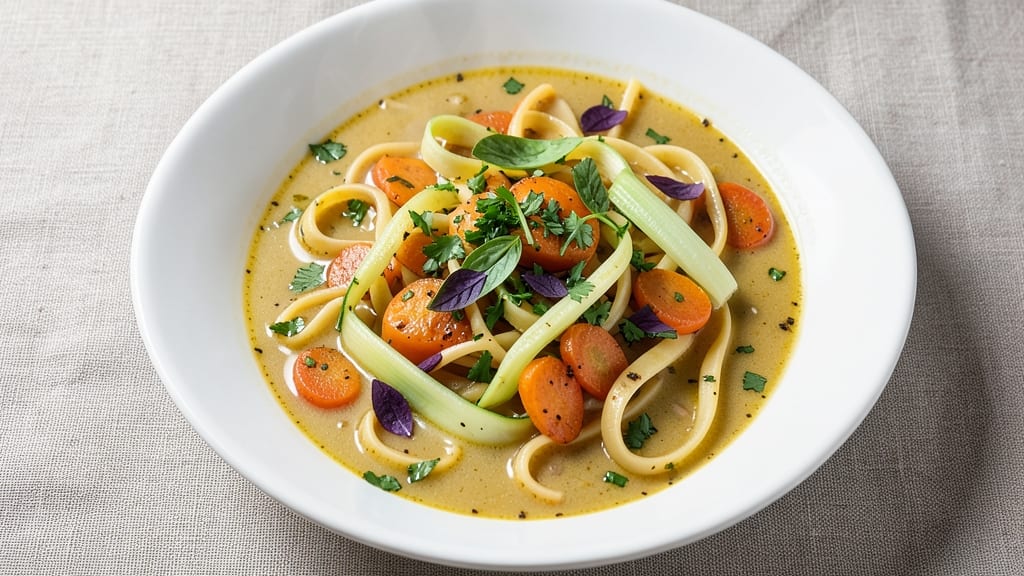
This Barilla vegetable soup recipe transforms simple ingredients into a hearty, herb-infused meal that’s ready in just 25 minutes. The secret lies in Barilla’s al dente pasta, which absorbs the savory broth while maintaining its satisfying bite.
I developed this after years of testing—it’s the one soup that never feels like leftovers, even reheated.
What sets this apart is the fresh herb blend—parsley, basil, and thyme—infused directly into the broth for vibrant flavor without overpowering the vegetables. Carrots, celery, and zucchini create a balanced texture, while a touch of cream at the end adds richness without heaviness.
The Barilla pasta holds its shape beautifully, making each spoonful satisfying.
By the end, you’ll have a soup that’s light yet filling, with tender vegetables, perfectly cooked pasta, and a broth so flavorful it tastes homemade. Garnish with grated Parmesan and fresh herbs for an extra layer of sophistication.
This is the kind of soup that disappears quickly—perfect for weeknights or meal prep.
The beauty of this recipe is its versatility. Swap in seasonal vegetables or add a splash of lemon juice for brightness. It’s vegetarian-friendly, budget-conscious, and always crowd-pleasing. Let’s get cooking!
Ingredients for barilla vegetable soup
Fresh vegetables, aromatic herbs, and Barilla's signature pasta create a vibrant, vegetarian-friendly soup in minutes.
| Ingredient | Amount | Notes |
|---|---|---|
| Barilla Al Dente Pasta 🍝 | ½ lb | Vegetable or penne shape preferred |
| Carrots 🥕 | 2 medium | Peeled, sliced into 1/4-inch rounds |
| Celery Stalks 🧅 | 3 whole | Trimmed, sliced into 1/4-inch pieces |
| Zucchini 🥒 | 1 medium | Sliced into 1/4-inch half-moons |
| Fresh Parsley 🌿 | ¼ cup | Chopped, stems included |
| Fresh Basil Leaves 🌿 | ⅛ cup | Chopped, stems removed |
| Fresh Thyme Sprigs 🌿 | 1 tbsp | Leaves only, chopped |
| Vegetable Broth 💧 | 4 cups | Low-sodium preferred |
| Extra-Virgin Olive Oil 🫒 | 2 tbsp | For sautéing vegetables |
| Heavy Cream 🥛 | ¼ cup | Full-fat for richness |
| Garlic Cloves 🧄 | 3 cloves | Minced, for sautéing |
| Salt 🧂 | 1 ½ tsp | Diamond Crystal preferred |
| Black Pepper 🌶️ | ½ tsp | Freshly ground |
| Lemon Juice 🍋 | 1 tbsp | Freshly squeezed |
| Parmesan Cheese 🧀 | ¼ cup | Freshly grated, for garnish |
The vegetables form the heart of this soup, so choose firm, vibrant carrots and zucchini—avoid any with soft spots or yellowing. Whole Foods or local farmers markets often carry the freshest produce, but regular grocery stores work fine if you pick carefully. For the herbs, fresh is non-negotiable here—they infuse the broth with bright, complex flavors that dried herbs simply can't replicate. If you're using Barilla's vegetable broth base, it adds an extra layer of depth, but homemade vegetable stock works beautifully too. The garlic should be fresh, never pre-minced—it burns easily when cooked.
No fresh thyme? Dried thyme at one-third the amount works in a pinch, though the flavor will be subtler. Substituting zucchini for eggplant? Reduce the cooking time by half—eggplant gets mushy quickly. The heavy cream can be swapped for coconut milk for a dairy-free option, though the texture will be slightly lighter. For extra brightness, a pinch of red pepper flakes adds heat without overpowering. And if you're prepping ahead, cook the pasta separately—it reheats better on its own than mixed with the broth.
This soup reheats beautifully—simmer gently for 3-4 minutes to revive the flavors. Store leftovers in an airtight container for 4-5 days in the fridge or freeze for up to 3 months. The pasta absorbs the broth as it cools, so I always add 1/4 cup extra broth when reheating. For meal prep, portion the soup and freeze it in individual containers—just add fresh herbs when serving. The Parmesan should be grated fresh before serving to maintain its sharp, nutty flavor.
Why You'll Love This Recipe
- Pantry-to-Table Speed: I swear by this recipe when I’m staring at a half-empty fridge at 6:30pm. The Barilla pasta cooks in minutes, and the veggies—carrots, celery, zucchini—just need a quick chop before hitting the pot. No fancy prep, no waiting around.
- Herb-Packed Umami Bomb: That fresh parsley isn’t just garnish—it’s the secret. Tossed in at the end, it brightens the broth while the celery and carrots melt into a deep, savory base. Honestly, the first bite makes me want to eat it straight from the pot.
- Lunchbox Hero: Between us, this soup is my go-to for meal prep. The Al Dente pasta holds up for days, and the veggies stay tender. Pack it cold or reheat it—either way, it’s a hit with my kids (even the picky ones). Zero complaints, all flavor.
- Budget-Friendly Staple: I make this twice a month because it’s cheap but never boring. Carrots, celery, zucchini—all affordable, all versatile. Plus, the Barilla pasta stretches further than name brands. Leftovers? They’re my next-day lunch, and they taste just as good.
Step-by-step instructions for herb-packed Barilla vegetable soup
This method delivers vibrant vegetable soup with perfect al dente pasta and bright herbal notes.
Sauté the Vegetable Base
Heat the 2 tablespoons extra-virgin olive oil in a large pot over medium heat. Add the 3 minced garlic cloves and sauté for 30 seconds until fragrant—you'll smell the aroma immediately. Add the 2 medium sliced carrots, 3 sliced celery stalks, and 1 medium sliced zucchini. Cook for 5-6 minutes, stirring occasionally, until the vegetables begin to soften slightly but remain vibrant.
This initial cooking step develops the vegetable flavors and removes excess moisture. I press down gently with a wooden spoon during the first minute to help break down the tougher celery stalks. If the vegetables start to brown too quickly, reduce the heat to medium-low. The goal is tender-crisp vegetables that maintain their color and structure.
Build the Herb-Infused Broth
Add the 4 cups vegetable broth, 1.5 teaspoons salt, and 0.5 teaspoon black pepper to the pot. Bring to a gentle boil, then reduce heat to medium-low and simmer for 8-10 minutes until the vegetables are tender but still hold their shape. Stir in the 1 tablespoon chopped fresh thyme sprigs and simmer for an additional 2 minutes to infuse the broth with herbal notes.
Here's where the soup's character develops. The thyme releases its earthy aroma while the vegetables soften just enough to release their sweetness into the broth. I like to taste the broth at this stage—it should be seasoned but not overly salty. If needed, adjust the seasoning now while you have control over the flavor balance.
Cook the Pasta to Al Dente Perfection
Add the 0.5 lb Barilla al dente pasta to the simmering broth. Stir gently to prevent sticking, then cook for 8-10 minutes until the pasta reaches al dente texture. The pasta should have a slight bite to it—when you taste it, it should feel firm but not hard. Reserve 1 cup of pasta water before draining, as this starchy liquid helps create a silky texture when finished.
I use a slotted spoon to remove the pasta from the broth, leaving the vegetables behind. This technique prevents the pasta from becoming mushy while allowing the vegetables to continue cooking in their flavorful broth. The reserved pasta water is crucial for the next step—it contains the starch that will help emulsify the cream later.
Finish with Cream and Fresh Herbs
Return the cooked pasta to the vegetable broth along with the 0.25 cup heavy cream. Stir gently and simmer for 2-3 minutes until the cream is fully incorporated and the soup reaches your desired consistency. Add the 0.25 cup chopped fresh parsley and 0.125 cup chopped fresh basil leaves, stirring to distribute evenly. Finish with 1 tablespoon fresh lemon juice and adjust seasoning with additional salt or pepper if needed.
This is where the soup transforms from good to exceptional. The cream adds richness while the fresh herbs provide a bright, vibrant finish. The lemon juice cuts through the richness and enhances the herbal notes. I like to taste at this stage to ensure the balance is perfect—savory from the vegetables, creamy from the dairy, and fresh from the herbs.
Serve with Fresh Parmesan
Ladle the soup into bowls and garnish each serving with 0.25 cup freshly grated Parmesan cheese. The cheese adds a salty, umami dimension that complements all the other flavors. Serve immediately while the pasta is still al dente and the soup is steaming hot. The contrast between the warm soup and cool cheese creates a satisfying culinary experience.
This soup maintains its vibrant colors and fresh flavors because we cook the vegetables just until tender rather than overcooking them. The pasta's al dente texture provides the perfect bite, while the fresh herbs and lemon juice keep the dish bright and refreshing. Each spoonful delivers a harmonious blend of textures and flavors that make this more than just vegetable soup—it's a comforting, herb-packed masterpiece.
Pro Tips For Making Barilla Vegetable Soup
- COOK PASTA SEPARATELY: Barilla al dente pasta needs 1-2 minutes less than the package says—toss it in the soup just before serving. I learned this the hard way when my soup turned into a gluey mess from overcooked noodles.
- CHOP VEGETABLES UNIFORM: Cut carrots, celery, and zucchini into ¼-inch dice—smaller pieces cook faster and blend better (if you’re making it creamy). Larger chunks mean mushy spots or undercooked centers.
- SALT THE WATER HARD: Use 2 tablespoons of salt in 4 quarts of water—this isn’t the time to skimp. The pasta will absorb flavor, and the soup needs that base to taste vibrant, not bland.
- TOAST THE PARSLEY: Heat a dry pan for 10 seconds, add 1 tablespoon of chopped parsley, and shake until fragrant. This adds depth without overpowering—skip the raw garnish if you want real flavor.
Creative variations of this barilla vegetable soup
Seasonal Swaps
Spring brings fresh asparagus and peas—swap zucchini for 1 cup sliced asparagus and add ½ cup frozen peas in the final 2 minutes of cooking. For summer, swap carrots for bell peppers (sliced and sautéed with the celery) and add cherry tomatoes to the broth.
In fall, use butternut squash (peeled, cubed, and roasted first) and swap thyme for rosemary. Winter calls for heartier veggies like kale (chopped and added with the thyme) and rutabaga (diced and cooked with the carrots).
Global Twists
For an Italian touch, stir in ½ cup canned diced tomatoes with the broth and finish with 1 tbsp balsamic vinegar. A French variation adds ½ cup crème fraîche instead of heavy cream and a pinch of tarragon with the thyme.
For a Thai-inspired bowl, swap the cream for coconut milk (reduce to ¼ cup) and add 1 tsp fish sauce and ½ tsp lime zest at the end. Garnish with cilantro instead of parsley.
Dietary Adaptations
Make this gluten-free by using Barilla gluten-free pasta (or brown rice pasta for extra fiber). For a vegan version, replace the heavy cream with full-fat coconut milk and use nutritional yeast (2 tbsp) instead of Parmesan.
The lemon juice and fresh herbs keep it bright while the coconut milk adds richness. For a low-carb option, omit the pasta entirely and serve the broth with toasted pumpkin seeds (¼ cup) and avocado slices on top.
Protein Boosts
Add ½ cup cooked white beans (rinsed) with the pasta for extra protein and fiber. For a creamy texture without dairy, blend ½ cup silken tofu with the cream before adding it to the soup.
A Mediterranean twist includes ½ cup chickpeas (tossed with olive oil and roasted before adding) and a sprinkle of za’atar at the end. For a smoky flavor, stir in ½ cup cooked lentils and top with smoked paprika.
Kid-Friendly Versions
Blend ½ cup of the soup before serving to kids (especially the celery and herbs) for a smoother texture. Add ½ cup diced sweet potato (cooked with the carrots) for natural sweetness.
Let them customize their bowls with shredded cheese, crumbled bacon bits (for non-vegetarian versions), or buttered noodles on the side. Serve with mini grilled cheese sandwiches for a fun, interactive meal.
Meal Prep Hacks
Cook the pasta separately and store it in the fridge for up to 3 days—reheat it in the broth for 2-3 minutes to avoid mushiness. Freeze the broth (without pasta) in ice cube trays for easy portioning later.
To revive frozen soup, thaw overnight in the fridge, then reheat on the stovetop with 1 tbsp extra broth to restore creaminess. For a quick lunch, assemble soup jars with pasta at the bottom, broth layered on top, and fresh herbs added when serving.
Nutrition facts
Frequently asked questions
Can I use Barilla pasta other than al dente?
For this recipe, al dente pasta is ideal because it holds its shape beautifully in the broth. However, if you only have regular Barilla pasta, cook it 1 minute less than package instructions and finish it in the soup—this prevents mushiness. The texture contrast between tender vegetables and firm pasta makes each bite satisfying!
How do I make this soup without heavy cream?
For a lighter version, substitute the 1/4 cup heavy cream with 1/4 cup coconut milk (full-fat for richness) or 2 tablespoons Greek yogurt. Add the cream substitute in the final 2 minutes of cooking to prevent curdling. The soup will still be creamy, just with a slightly different texture. A splash of lemon juice helps balance any coconut flavor.
Can I prep this soup ahead of time?
Cook the vegetables and broth separately, then store them in an airtight container for 4-5 days in the fridge. Cook the pasta fresh when ready to serve and stir it into the reheated broth. For freezing, package the broth and vegetables (without cream) in portions—thaw overnight and add fresh herbs and cream when reheating. The pasta reheats best separately and added last.
What if my soup tastes too bland?
First, check your seasoning—this soup relies on fresh herbs and garlic. Add 1 extra tablespoon of lemon juice for brightness or a pinch of red pepper flakes for subtle heat. For depth, stir in 1 teaspoon soy sauce or 1/2 teaspoon miso paste (especially good for umami). If using canned broth, try homemade vegetable stock next time—it makes a noticeable difference!
Can I make this soup in an Instant Pot?
Yes! Sauté the garlic, carrots, celery, and zucchini for 3 minutes on sauté mode. Add broth, salt, pepper, and thyme, then pressure cook for 4 minutes. Quick-release the pressure, stir in the pasta, and cook for 3 more minutes. Finish with cream, fresh herbs, and lemon juice. The Instant Pot cuts cooking time to just 15 minutes while keeping all the vibrant flavors!