
Soups & Stews
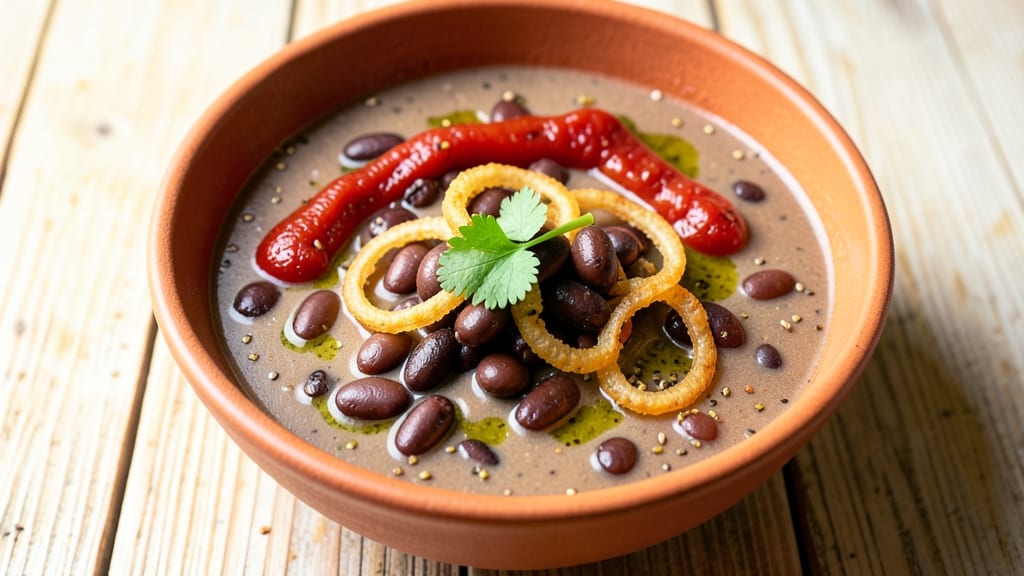
A basic bean soup recipe transforms humble pantry staples into a satisfying, protein-rich meal that warms you from the inside out. This vegan version relies on simple ingredients—beans, broth, and aromatics—to create depth while staying budget-friendly and adaptable to any pantry.
The key is balancing textures: tender beans, caramelized onions, and a broth that’s rich without being heavy, all achieved in 30 minutes with minimal prep.
What sets this recipe apart is its flexibility—swap black beans for lentils, chickpeas, or pinto beans without sacrificing flavor. The secret lies in sautéing onions and garlic until deeply golden, which builds a sweet, savory base that elevates the entire soup.
A splash of vinegar or lime brightens the broth, while herbs like cilantro or parsley add freshness at the end. This isn’t just a soup; it’s a foolproof foundation for a meal that feels hearty yet light.
The result is a bowl of soup that’s naturally balanced—fiber-rich beans provide staying power, while aromatics and acidity keep it vibrant. It’s the kind of dish that tastes even better the next day, making it perfect for meal prep or feeding a crowd.
Whether you’re vegan, watching your budget, or simply craving comfort, this recipe delivers warmth and satisfaction with every spoonful.
Store leftovers in the fridge for up to 5 days or freeze for longer shelf life. Garnish with avocado slices, a drizzle of hot sauce, or extra herbs to customize it to your taste.
Ready in under an hour, this soup proves that simple ingredients can create something extraordinary—no shortcuts, just thoughtful technique.
Ingredients for basic bean soup
Transform pantry staples into a protein-rich, vegan bean soup with depth and texture in just 30 minutes.
| Ingredient | Amount | Notes |
|---|---|---|
| Dried Black Beans 🌱 | 1 ½ cups | Rinsed before cooking |
| Vegetable Broth 💧 | 4 cups | Low-sodium preferred |
| Yellow Onions 🧅 | 1 whole | Diced, medium size |
| Garlic Cloves 🧄 | 4 cloves | Minced, fresh preferred |
| Extra-Virgin Olive Oil 🫒 | ½ cup | For sautéing onions |
| Tomato Paste 🍅 | 2 tbsp | Smooth texture preferred |
| Cumin Seeds 🌿 | 1 tsp | Toasted for depth |
| Bay Leaves 🌿 | 2 whole | Dried, removed before serving |
| Apple Cider Vinegar 🍎 | 1 tbsp | For brightness |
| Fresh Cilantro 🌿 | ¼ cup | Chopped, for garnish |
| Salt 🧂 | 1 ½ tsp | Adjust to taste |
| Black Peppercorns 🌶️ | ½ tsp | Freshly cracked |
| Smoked Paprika 🌶️ | ½ tsp | For subtle smokiness |
| Lime Juice 🍋 | 1 tbsp | Freshly squeezed |
The foundation of this soup lies in the beans and broth—dried black beans are ideal for their hearty texture, but pinto or kidney beans work equally well. For broth, Pacific Foods or Imagine brands offer low-sodium options that won’t overpower your dish. The onions and garlic deserve special attention: caramelize them until deep golden for a sweet, savory base that transforms this into something extraordinary. If you’re short on time, quick-pickled onions (tossed with vinegar and salt) can add that same vibrant acidity in minutes. Fresh herbs like cilantro or parsley should be added at the end to preserve their bright flavors.
No cumin seeds? Ground cumin at half the amount works in a pinch, though the toasted seeds add a distinct earthiness. Smoked paprika can be swapped for regular paprika, but you’ll lose that subtle smokiness. The tomato paste might seem like an afterthought, but it’s what ties everything together—look for San Marzano if you want the best quality. If you’re using canned beans instead of dried, rinse them thoroughly to remove excess sodium. For extra richness, stir in a spoonful of tahini or a splash of coconut milk at the end, though the recipe stands strong on its own.
Leftovers keep beautifully in the fridge for 5 days, with flavors deepening over time. For longer storage, freeze portions in airtight containers for up to 3 months. Reheat gently on the stove with a splash of water or broth to restore creaminess. Garnish with a drizzle of olive oil, extra herbs, or a sprinkle of vegan feta for added tang. This soup is naturally balanced, so it reheats just as well as it tastes fresh—perfect for meal prep or feeding a crowd.
Why You'll Love This Recipe
- The secret’s in the slow cook: onions soften into sweet strands while garlic cloves turn golden and fragrant. A splash of olive oil at the end? Pure satisfaction—creamy, savory, with that crispy edge when the beans burst. Honestly, it’s the kind of flavor that makes me pause mid-bite.
- No-Fuss Pantry Staples: I swear by this recipe because it only asks for what I already have—no last-minute grocery runs. Dried black beans soak overnight (or use the quick-soak trick), and the onions and garlic caramelize while I sip my coffee. That’s it. No stress, no surprises.
- Garlic-Onion Magic: The secret’s in the slow cook: onions soften into sweet strands while garlic cloves turn golden and fragrant. A splash of olive oil at the end? Pure satisfaction—creamy, savory, with that crispy edge when the beans burst. Honestly, it’s the kind of flavor that makes me pause mid-bite.
- Meal-Prep MVP: This soup tastes even better the next day, which is perfect for me. I make a big batch on Sundays, and by Wednesday, it’s transformed into a hearty lunch or a quick dinner when I’m too tired to think. Freeze half for those nights when takeout feels like a chore.
Step-by-step instructions for hearty black bean soup
Transform simple pantry staples into rich, aromatic bean soup with this foolproof method.
Toast Spices and Sauté Onions
Heat the 0.5 cup extra-virgin olive oil in a large pot over medium heat. Add the 1 tsp cumin seeds and toast for 30 seconds until fragrant and lightly golden. This step develops their nutty aroma—don't rush it or they'll burn. Immediately add the 1 whole diced yellow onion and cook for 5-6 minutes until softened and translucent.
Here's the thing—properly sautéed onions form the flavor base. You'll know they're ready when they lose their raw edge and begin to caramelize slightly at the edges. Add the 4 minced garlic cloves and cook for another 30 seconds until just fragrant. Garlic burns quickly, so watch it closely.
Build the Flavor Foundation
Stir in the 2 tbsp tomato paste and cook for 1 minute to remove its raw taste. Add the 4 cups vegetable broth, 1.5 tsp salt, 0.5 tsp black peppercorns, and 0.5 tsp smoked paprika, bringing everything to a gentle simmer. The broth should cover the onions completely—if not, add a splash of water.
This is where the magic happens. The tomato paste deepens the flavor while the broth infuses the spices. Let it simmer uncovered for 10 minutes to allow the spices to bloom fully. You'll notice the aroma intensify—this is your cue that the base is developing properly.
Cook the Beans Until Tender
Add the 1.5 cups rinsed dried black beans, 2 whole bay leaves, and 1 tbsp apple cider vinegar to the pot. The vinegar adds brightness that cuts through the richness of the beans. Bring to a boil, then reduce heat to medium-low and simmer uncovered for 25-30 minutes until the beans are fork-tender.
I check doneness by mashing a bean against the side of the pot with a spoon—it should break down slightly but still hold its shape. If the beans aren't tender after 30 minutes, add ½ cup water and continue cooking. The beans should absorb all the liquid but remain moist, not mushy.
Finish and Adjust Seasoning
Remove the 2 bay leaves and stir in the 1 tbsp lime juice. The acidity brightens the entire soup and balances the earthy bean flavor. Taste and adjust seasoning with additional salt if needed—bean soups often need more salt than other recipes because beans absorb flavor differently.
Simmer for another 5 minutes to let the lime juice mingle with the other ingredients. The soup should be rich but not overly thick—if it's too thick, add ¼ cup water to reach your preferred consistency. This final adjustment ensures each spoonful delivers perfect balance.
Garnish and Serve
Ladle the soup into bowls and garnish immediately with 0.25 cup chopped fresh cilantro. The fresh herbs add a vibrant contrast to the deep, savory broth. Serve with crusty bread to soak up every last drop of that flavorful liquid.
This soup improves with time—let it sit for 10 minutes before serving so the flavors meld completely. The beans will continue to absorb liquid and develop even more depth. Store leftovers in the refrigerator for up to 5 days, where the flavors actually deepen over time.
Pro Tips For Making Basic Bean Soup
- SOAK BEANS OVERNIGHT: Dried black beans need serious hydration—toss them in cold water with a pinch of salt the night before. I used to rush this, and the soup always tasted dull; overnight soaking cuts cooking time and prevents that chalky bite.
- SAUTÉ ONIONS UNTIL GOLDEN: Low and slow here—cook the onions in olive oil for 10-12 minutes until they’re deep golden, not just soft. That caramelization builds flavor; I learned this after tasting a sad, pale onion soup that tasted like nothing.
- SKIP THE BOILING BROTH: Add the vegetable broth when the beans are just simmering, not roaring. Boiling can toughen beans and make them split, turning your soup into a mushy mess. Keep it at a gentle bubble—your beans will thank you.
- STIR IN GARLIC LATE: Crush the garlic cloves and add them with the broth, but hold off until the beans have cooked for 20 minutes first. Raw garlic burns fast, and you’ll end up with bitter, acrid soup instead of sweet, mellow flavor.
Common mistakes when making this dish
Skipping the Soak
Dried beans need time to soften—never skip soaking! I’ve seen beginners rush this step, leading to tough, undercooked beans. For black beans, soak for 8 hours or overnight in water with 1 tsp baking soda (reduces gas).
If short on time, use the quick-soak method: boil beans for 2 minutes, then let them sit off heat for 1 hour before cooking. Skipping soaking guarantees gummy, unappetizing results. 🌱
Overcrowding the Pot
Never start with more than ½ the pot’s capacity of beans—this is a common rookie mistake. When beans are packed too tightly, they steam instead of simmering, leading to uneven cooking and a watery soup. If your pot looks crowded, cook beans in batches or use a larger pot.
The goal is to maintain a gentle simmer with enough liquid to cover the beans by 1 inch. Overcrowding also makes stirring difficult and can cause beans to split prematurely. 🔥
Ignoring the Broth Level
Some cooks add beans to the pot and forget to monitor broth levels. As beans cook, they absorb liquid—but if the broth evaporates too much, you’ll end up with dry, pasty beans. Check the broth level every 15 minutes and add ½ cup water if needed.
The beans should always be partially submerged. If you’re using a slow cooker, add 1 extra cup of broth to account for evaporation. This simple step prevents mushy, flavorless beans. 💧
Rushing the Simmer
Bean soups taste best when simmered gently—never boil vigorously. High heat breaks down the beans’ texture and can make the broth cloudy. After adding beans, reduce heat to medium-low and maintain a gentle simmer (small bubbles, not rolling).
If you see large bubbles or hear popping, your heat is too high. Patience pays off: a 30-minute simmer at low heat yields tender, flavorful beans that hold their shape. 🌡️
Salting Too Early
Adding salt at the beginning of cooking hardens beans’ skins, making them tougher to soften. Wait until the beans have simmered for 10 minutes before adding salt.
Even then, taste and adjust gradually—bean soups often need 1-2 extra pinches of salt after cooking because beans absorb flavor differently than other ingredients. This small adjustment makes a big difference in texture and taste. ✨
Skipping the Acid
The vinegar or lime juice in this recipe isn’t optional—it’s what brightens the entire dish. Without acid, the soup can taste flat or overly earthy. I’ve made this mistake (and regretted it!), so always add the 1 tbsp apple cider vinegar or lime juice at the end.
If you forget, a splash of lemon juice or even a few drops of hot sauce can rescue the flavor in a pinch. The acid also helps tenderize the beans slightly. 🍋
Nutrition facts
Frequently asked questions
Can I use canned beans instead of dried?
Yes! For a quicker version, substitute 2 (15 oz) cans of black beans (drained and rinsed) for the dried beans. Reduce the broth by ½ cup since canned beans contain some liquid, and simmer for 15-20 minutes instead of 30. The texture will be slightly softer but still delicious.
How do I make this soup spicier?
Add ½ tsp cayenne pepper or 1 tbsp hot sauce when you stir in the lime juice. For extra heat, toast ½ tsp red pepper flakes with the cumin seeds at the start. Adjust to taste—start small and increase gradually to avoid overwhelming the dish.
Can I make this soup in a slow cooker?
Sauté the onions, garlic, and spices as directed, then transfer everything to a 5-6 quart slow cooker. Add 5 cups broth (extra for evaporation) and cook on low for 6-8 hours or high for 3-4 hours. The longer cook time enhances the flavors beautifully.
What other beans can I use?
This recipe works with lentils (cook for 20-25 minutes), pinto beans (simmer 35-40 minutes), or chickpeas (simmer 40-45 minutes). For kidney beans, increase cooking time to 50 minutes. Adjust liquid as needed—beans absorb differently based on type.
Why does my soup taste bland?
Most likely, you skipped the acid (vinegar/lime) or didn't toast the spices. Always toast cumin seeds and add the acid at the end. For extra depth, stir in 1 tbsp soy sauce or ½ tsp smoked paprika when seasoning. Taste as you go—bean soups often need extra salt after cooking.