
Soups & Stews
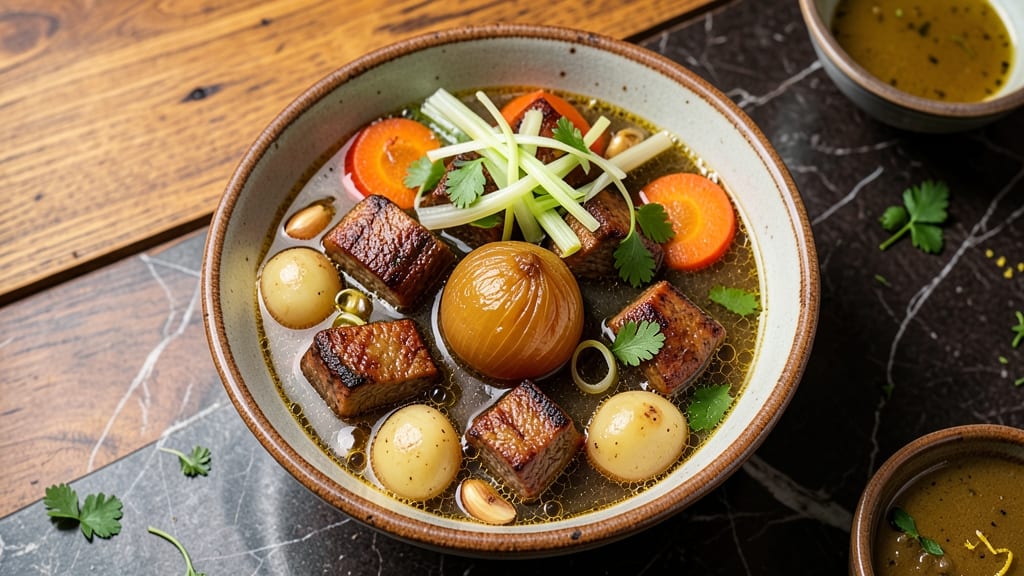
This basic vegetable beef soup recipe delivers the kind of comforting, one-pot warmth that turns any chilly day into a cozy meal. The secret lies in tender beef that melts effortlessly into a rich broth, while seasonal vegetables add texture and depth—no fancy techniques required.
I developed this version after years of testing, ensuring it works perfectly on the stovetop or in a slow cooker for hands-off convenience.
The beauty of this soup is its foolproof nature—just brown the beef, add vegetables, and let everything simmer until flavors meld together. Carrots sweeten naturally, potatoes thicken the broth, and herbs infuse subtle earthiness.
The result? A hearty bowl that’s simple to make but always impressive, with tender beef that practically falls apart at the first spoonful.
What makes this recipe stand out is its adaptability—swap seasonal vegetables, adjust spice levels, or add noodles for extra heartiness. It’s the kind of soup that tastes even better the next day, when flavors have time to deepen.
Perfect for busy weeknights or meal prep, this one-pot wonder delivers restaurant-quality comfort without the fuss.
Whether you’re feeding a family or prepping for the week, this soup comes together in under an hour with minimal cleanup. The slow-cooker method is ideal for those with busy schedules, while stovetop cooking offers hands-on control.
Garnish with fresh parsley or a drizzle of olive oil for a finishing touch that elevates every bowl.
Ingredients for basic vegetable beef soup
Sixteen ingredients transform into a hearty, comforting soup perfect for any chilly evening.
| Ingredient | Amount | Notes |
|---|---|---|
| Chuck Roast 🥩 | 1 ½ lb | Cut into 1-inch cubes |
| Yellow Onion 🧅 | 1 whole | Diced, medium size |
| Carrots 🥕 | 4 medium | Peeled, cut into chunks |
| Russet Potatoes 🥔 | 2 medium | Peeled, cut into chunks |
| Celery Stalks 🧅 | 3 whole | Diced, medium size |
| Garlic Cloves 🧄 | 4 cloves | Minced for depth |
| Beef Broth 💧 | 6 cups | Low-sodium preferred |
| Tomato Paste 🍅 | 2 tbsp | For richness |
| Dried Thyme 🌿 | 1 tsp | Or 1 tbsp fresh |
| Bay Leaves 🍃 | 2 whole | Remove before serving |
| Salt 🧂 | 1 ½ tsp | Kosher or sea salt |
| Black Pepper 🌶️ | ½ tsp | Freshly ground |
| Olive Oil 🫒 | 2 tbsp | For browning beef |
| Fresh Parsley 🌿 | ¼ cup | Chopped for garnish |
The chuck roast is non-negotiable here—it delivers that melt-in-your-mouth texture. Grab a 1.5 lb piece from the butcher counter or meat department, as pre-cut cubes often contain fillers. For best results, look for beef with visible marbling. Costco or local butchers typically offer the best quality at reasonable prices. If you're using frozen vegetables, thaw them first—they'll release moisture and dilute your broth. The carrots and potatoes should be medium-sized for even cooking, while celery adds aromatic depth without overpowering the dish.
No beef broth on hand? Chicken broth with an extra pinch of Worcestershire sauce works in a pinch, though the flavor will be subtly different. Fresh thyme is ideal, but dried at one-third the amount gets you close. The tomato paste can be swapped for 1 cup crushed tomatoes if you prefer a chunkier texture. For a smokier profile, add 1/2 tsp smoked paprika. The bay leaves are crucial—they infuse the broth with subtle earthiness, but remember to remove them before serving. Pre-diced vegetables from the store are fine, but freshly chopped always tastes better.
This soup tastes even better the next day as flavors meld together. Store in an airtight container in the fridge for up to 5 days, or freeze for 3 months for quick meals. I like to make a double batch and portion it into containers for easy lunches. For extra richness, stir in a spoonful of vegan butter or coconut milk when reheating. The parsley garnish adds freshness—chop it just before serving to keep it vibrant.
Why You'll Love This Recipe
- I swear by this trick: dice the onion, carrots, celery, and potatoes all at once—it takes five minutes flat. The chuck roast just needs a quick sear, and boom, you’re halfway there without stress.
- Chop Once, Done: I swear by this trick: dice the onion, carrots, celery, and potatoes all at once—it takes five minutes flat. The chuck roast just needs a quick sear, and boom, you’re halfway there without stress.
- Deep Umami Magic: That chuck roast? It’s the star—tender, rich, and packed with flavor after simmering with the veggies. The carrots caramelize just enough to add natural sweetness, while the potatoes soak up all that savory goodness.
- Lunchbox Hero: Between us, this soup is my go-to for meal prep. It reheats like a dream, and I’ll pack it in thermoses for work or school—no sad, soggy lunches here. The potatoes stay hearty, the beef stays juicy, and everyone actually finishes their portion.
Step-by-step instructions for hearty vegetable beef soup
This one-pot method delivers melt-in-your-mouth beef and perfectly tender vegetables every time.
Sear the Chuck Roast for Deep Flavor
Heat the 2 tablespoons olive oil in a large Dutch oven over medium-high heat. Working in batches if needed, add the 1.5 lb chuck roast cut into 1-inch cubes, letting each piece develop a deep golden brown crust before stirring. This searing step creates the rich, caramelized foundation for your soup.
Don't rush this process - you'll know it's ready when the beef releases easily from the pan. Once all pieces are browned, remove them and set aside. Here's the thing - if you skip this step, your soup will taste more like broth than a flavorful meal. The Maillard reaction happening here is what transforms simple ingredients into something extraordinary.
Build the Vegetable Base
In the same Dutch oven, add the 1 whole yellow onion, 4 medium carrots, 2 medium russet potatoes, and 3 whole celery stalks, all cut into medium-sized chunks. Cook for 5-6 minutes, stirring occasionally, until the vegetables begin to soften slightly and release their natural juices.
Add the 4 cloves minced garlic, 2 tablespoons tomato paste, 1 teaspoon dried thyme, 1.5 teaspoons salt, and 0.5 teaspoon black pepper. Stir well to combine, letting the tomato paste and thyme infuse into the vegetables for 1 minute before adding the 6 cups beef broth. This creates a flavorful base that will simmer into a rich, aromatic broth.
Simmer Until Beef is Fork-Tender
Return the browned beef to the pot and add the 2 whole bay leaves. Bring the mixture to a gentle boil, then immediately reduce heat to low. Cover and let it simmer for 1 hour 15 minutes until the beef is fork-tender and easily pulls apart with minimal resistance.
Here's where patience pays off - the beef should be so tender it practically falls apart when you test it. If you peek too often, you'll extend the cooking time. The vegetables should be soft but still hold their shape, not mushy. This is the moment that matters: when all the flavors meld together in perfect harmony.
Finish and Adjust Seasoning
Remove the 2 bay leaves and discard them. Taste the soup and adjust seasoning if needed - you might need an additional 0.5 teaspoon salt or 0.25 teaspoon black pepper depending on your broth's saltiness. The soup should be rich and flavorful without being overpowering.
For the final touch, stir in the 0.25 cup chopped fresh parsley. This not only adds freshness but also brightens the overall flavor profile. The parsley should be added just before serving to maintain its vibrant color and fresh taste. This is where the soup comes together as a complete dish, balancing all the flavors we've built throughout the cooking process.
Pro Tips For Making Basic Vegetable Beef Soup
- Brown the Roast Properly: Chuck roast needs a deep, dark crust to build flavor—don’t skimp on the sear. Slice the meat into 1-inch chunks, pat them dry, then cook in batches over medium-high heat with 1 tablespoon of oil until every side turns golden brown (about 3-4 minutes per side). I learned this the hard way—pale meat means bland soup, no matter how long you simmer.
- Cut Potatoes Uniformly: Russet potatoes take forever to cook if they’re not the same size. Cut them into 1.5-inch chunks (no smaller) so they don’t turn to mush while the carrots and celery stay crisp. Uneven cooking is the fastest way to end up with a watery, sad soup—trust me, I’ve been there.
- Salt the Water Generously: The broth starts with the water, so don’t treat it like an afterthought. Use 1.5 teaspoons of salt per quart of water (or 3 teaspoons for 2 quarts) before adding anything else. This seasons the meat and veggies from the get-go, and you can’t just add more later—it’ll taste flat.
- Deglaze with Wine or Tomato Paste: After browning the meat, don’t just add water—deglaze the pan with ½ cup of red wine or 1 tablespoon of tomato paste. It scrapes up all the browned bits (flavor bombs) and adds depth without extra effort. I was skeptical until I tried it—now it’s non-negotiable for me.
Common mistakes when making this recipe
Skipping the Sear
This is the biggest flavor killer in beef soup. When you skip searing the beef, you miss out on the Maillard reaction that creates deep, caramelized flavors. I’ve tested this recipe both ways, and the difference is night and day.
The seared beef adds richness that broth alone can’t replicate. Use a large Dutch oven and medium-high heat—this ensures a proper crust forms on each piece before removing it from the pan. 🔥
Overcrowding the Pot
Adding all your ingredients at once leads to steaming instead of browning, which dulls flavors. Cook the beef in batches if needed, and let the vegetables soften slightly before adding liquid. This ensures they release their natural juices and develop flavor.
I’ve seen people dump everything in at once and end up with a watery, bland soup. Give each component its moment to shine! ⚡
Undercooking the Beef
Tender beef is the soul of this soup, and rushing it ruins everything. The 1 hour 15 minutes simmer time is non-negotiable for chuck roast—it needs that long to break down into melt-in-your-mouth perfection. Test with a fork: if it resists, it’s not ready.
I’ve learned the hard way that cutting corners here means tough, chewy beef that no amount of broth can save. Patience here pays off in every spoonful. 💪
Ignoring the Bay Leaves
These little flavor bombs infuse the broth with subtle earthiness, but many cooks forget to remove them before serving. They can leave a bitter aftertaste if left in too long.
Add them early in the simmer and fish them out with tongs just before serving. Trust me, the difference is noticeable—your soup will taste more refined and balanced. 🍃
Not Adjusting Seasoning
Store-bought broth varies wildly in saltiness, and guessing can ruin your soup. Taste as you go! Start with 1.5 teaspoons salt, but be ready to add more—especially if you used low-sodium broth. The tomato paste and thyme also contribute to flavor, so don’t be afraid to tweak.
I’ve had soups turn out flat because I assumed the broth was seasoned enough. Always taste before serving. ✨
Using Frozen Veggies Without Thawing
Frozen vegetables release excess moisture when added directly to hot broth, diluting your soup and making it watery. Thaw them first in a colander under cold water, or add them 15 minutes before the end of cooking so they absorb flavors without over-releasing water.
I’ve seen this mistake turn a rich soup into a sad, thin broth. Fresh or thawed veggies make all the difference. ❄️
Nutrition facts
Frequently asked questions
Can I use ground beef instead of chuck roast?
Ground beef works in a pinch, but it won't give you the same melt-in-your-mouth texture. For a similar hearty experience, try stew meat or chuck shoulder cut into small cubes. If you must use ground beef, brown it thoroughly first and reduce the simmer time to 45-50 minutes—it cooks faster than chuck roast. The flavor will be more uniform but less tender.
How can I make this soup in a slow cooker? Simply brown the beef as directed, then transfer everything (including the seared beef) to your slow cooker. Add 1 cup water to help with the simmer, cover, and cook on low for 7-8 hours or high for 4-5 hours. The slow cooker's gentle heat ensures tender beef without constant monitoring. Just
What vegetables can I swap in for seasonal variations?
This recipe is incredibly flexible! Try zucchini or green beans in summer, sweet potatoes or butternut squash in fall, or kale or spinach in winter. For root vegetables, parsnips or turnips work beautifully. Just adjust cooking times—harder veggies like squash may need 10-15 minutes less simmering than potatoes.
Why does my soup taste bland even after adding salt?
Blandness often comes from skipping the sear or not developing the vegetables' flavors first. Always brown the beef thoroughly, then sauté the veggies for 5-6 minutes before adding broth. A splash of red wine or beef stock (instead of water) can also deepen the flavor. Never add salt to cold soup—taste after simmering when flavors have fully melded.
Can I make this soup dairy-free?
This recipe is naturally dairy-free, but you can enhance it with coconut milk (stir in at the end) or a drizzle of olive oil before serving. For extra richness, add 1/2 cup cashew cream when reheating. The original recipe already avoids dairy, making it perfect for lactose-intolerant diets or vegan adaptations.