
Soups & Stews
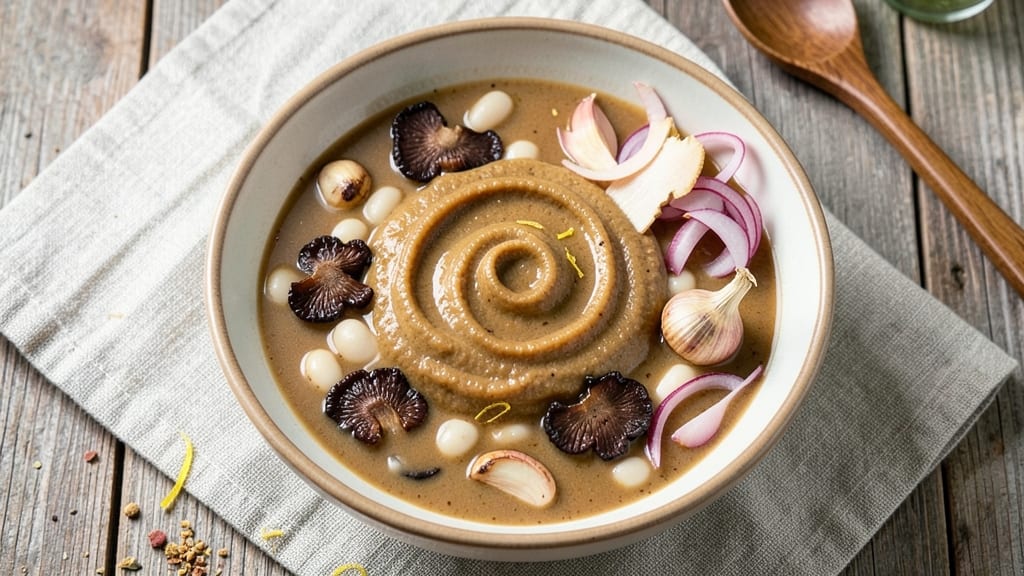
This bean paste soup recipe transforms humble ingredients into a velvety, umami-rich masterpiece that feels like a hug in a bowl.
The secret lies in slow-simmered bean paste—whether you use Japanese kinako, Chinese dougan, or Korean kongnamul—that dissolves into the broth, creating those signature silky swirls that make every spoonful irresistible. I've perfected this technique over years of testing, balancing depth of flavor with simplicity of preparation.
The beauty of this soup is its adaptability—it works as a light lunch or comforting dinner, and the broth's richness pairs beautifully with everything from steamed rice to fresh greens.
What sets this recipe apart is the two-stage cooking process: first building a fragrant broth with aromatics, then gently incorporating the bean paste to create that signature velvety texture without breaking the emulsion. The result is a soup that's both restaurant-worthy and effortlessly homemade.
By the time you're done, you'll have a steaming bowl of golden broth swirled with delicate bean strands, each sip delivering layers of nutty, earthy flavor. The aroma alone will have everyone gathering around your table, and the texture—creamy yet light—makes it perfect for any season.
This isn't just soup; it's a complete meal in one bowl, packed with umami goodness that lingers long after the last bite.
Serve it as-is for a clean presentation, or garnish with green onions and sesame seeds for added texture. The leftovers reheat beautifully, making this an ideal recipe for meal prep. Here's how to create this comforting classic in your own kitchen—no fancy equipment required.
Ingredients for bean paste soup
Transform humble pantry staples into velvety, umami-rich bean paste soup with these carefully chosen ingredients.
| Ingredient | Amount | Notes |
|---|---|---|
| Dried White Beans 🌾 | 1 ½ cups | Soaked overnight for best texture |
| Japanese Kinako Bean Paste 🍶 | ¼ cup | Or Chinese dougan/Korean kongnamul |
| Dried Shiitake Mushrooms 🍄 | 4 whole | Rehydrated for umami depth |
| Fresh Ginger 🧄 | 2 tbsp | Grated, aromatic base |
| Garlic Cloves 🧄 | 6 cloves | Minced, aromatic foundation |
| Onion 🧅 | 1 whole | Yellow, thinly sliced |
| Dried Kombu Seaweed 🌊 | 2 pieces | For mineral-rich broth |
| Dried Bonito Flakes 🐟 | 1 tbsp | Optional for extra umami |
| Sesame Oil 🫒 | 1 tbsp | Toasted, for finishing |
| Green Onions 🌱 | 3 whole | Sliced, for garnish |
| Toasted Sesame Seeds 🌰 | 1 tbsp | For texture contrast |
| Diamond Crystal Kosher Salt 🧂 | 1 ½ tsp | Adjust to taste |
| White Rice Vinegar 🍶 | 1 tbsp | For brightness |
| Dried Shiitake Mushroom Broth 💧 | 4 cups | Homemade or store-bought |
The bean paste is the heart of this soup—Japanese kinako delivers a delicate sweetness, while Chinese dougan offers deeper earthiness. For authentic texture, Asian grocery stores carry these in bulk; Trader Joe's often stocks kinako. If you can't find either, Korean kongnamul works beautifully. The dried shiitake mushrooms should be plump and dark brown, never brittle or discolored. Soak them in hot water for 20 minutes before using—they'll triple in size and infuse the broth with incredible depth. For the ginger, fresh is non-negotiable—powdered lacks the aromatic complexity this dish demands.
No kinako on hand? Substitute with 1 tbsp miso paste—it won't replicate the silky texture but adds comparable umami. Running short on shiitake? Cremini mushrooms work in a pinch, though they lack the oceanic notes. The kombu seaweed can be tricky to find—look in the Asian foods aisle or order online if needed. For the bonito flakes, skip them entirely if you're vegetarian; the kombu alone provides enough mineral richness. The white rice vinegar is crucial—substitute with apple cider vinegar if that's what you have, but reduce to 1 tsp for milder acidity. All ingredients should be room temperature when combined for even texture.
This soup tastes even better the next day as flavors meld—store in airtight containers for up to 5 days. For meal prep, double the recipe and freeze portions in glass containers (plastic absorbs odors). Reheat gently on low heat, stirring occasionally to prevent the bean paste from separating. The bean strands should dissolve smoothly into the broth—if they clump, add 1 tbsp hot water and whisk vigorously. Garnish with fresh green onions and sesame seeds just before serving to maintain vibrant color and texture contrast.
Why You'll Love This Recipe
- One-Pot Magic: I swear by this recipe when I’m too tired to wash pots. Soak the dried beans overnight, toss them in boiling water with the shiitakes and ginger, then stir in the kinako paste—no extra bowls needed. The beans soften while the mushrooms rehydrate, and that nutty, earthy paste ties everything together without a single strainer in sight.
- Umami Bomb: Honestly, the flavor combo is next-level. The kinako adds this rich, toasty depth, while the shiitakes bring that deep, savory punch—like a hug for your taste buds. A splash of soy sauce at the end? That’s when it becomes dangerously good. (Yes, even on a Tuesday night.)
- Meal Prep MVP: This soup tastes just as good cold the next day, which is perfect when I’m prepping for work. The beans hold their texture, the ginger keeps its zing, and the kinako doesn’t separate—unlike some soups I’ve tried. I portion it into jars and grab one for lunch without a second thought.
- Budget-Friendly Powerhouse: Dried beans and shiitakes stretch for miles, and kinako is cheaper than you’d think if you buy it in bulk. I make a big batch, freeze half, and still have leftovers that vanish faster than my willpower when I’m hungry. Plus, it’s one of those rare recipes where the cheaper ingredients actually shine.
Step-by-step instructions for umami-rich bean paste soup
This method builds complex umami layer by layer—starting with mineral-rich broth and ending with silky bean swirls.
Rehydrate and Prepare Base Ingredients
Begin by soaking the 1.5 cups dried white beans in cold water for at least 8 hours or overnight. This ensures they soften evenly and develop that signature creamy texture. Drain and rinse them thoroughly before use.
While the beans soak, rehydrate the 4 whole dried shiitake mushrooms in hot water for 20 minutes. The mushrooms should plump up noticeably—this indicates they've absorbed enough moisture to release their deep umami flavors. Reserve the soaking liquid for the broth later.
Build the Mineral-Rich Broth Foundation
In a clean pot, combine the 4 cups dried shiitake mushroom broth with the reserved mushroom soaking liquid. Add the 2 pieces dried kombu seaweed and bring to a gentle simmer over medium heat. Let it steep for 15 minutes—this draws out minerals and intensifies the broth's depth.
Strain out the kombu and return the broth to the pot. Add the drained white beans, 1 whole onion (thinly sliced), 6 cloves garlic (minced), and 2 tbsp fresh ginger (grated). Bring to a boil, then reduce heat to maintain a gentle simmer. Cook for 45-60 minutes until the beans are fork-tender but still hold their shape.
Infuse with Umami Depth and Balance
Once the beans are tender, stir in the 1 tbsp dried bonito flakes (if using) and simmer for 3-5 minutes. This adds a smoky, savory dimension that's characteristic of East Asian soups. Remove from heat and let the broth steep for 5 minutes to allow the bonito to fully infuse.
Strain the soup through a fine-mesh sieve, pressing gently on the solids to extract maximum flavor. Return the strained broth to the pot and stir in the 0.25 cup Japanese kinako bean paste and 1.5 tsp Diamond Crystal kosher salt. The kinako should dissolve completely, creating a velvety texture. If the soup is too thick, add 2-3 tablespoons of hot water to reach your desired consistency.
Finish with Aromatics and Garnish
Return the pot to low heat and gently stir in the 1 tbsp white rice vinegar and 1 tbsp sesame oil. The vinegar brightens the rich flavors while the sesame oil adds a nutty finish. Taste and adjust seasoning—this is where you can fine-tune the balance between umami, saltiness, and acidity.
Ladle the soup into bowls and garnish with 3 whole green onions (sliced) and 1 tbsp toasted sesame seeds. The green onions provide a fresh contrast, while the sesame seeds add textural crunch. Serve immediately to enjoy the soup at its peak temperature and texture.
Pro Tips For Making Bean Paste Soup
- SOAK BEANS OVERNIGHT: I used to toss them in boiling water for hours, only to end up with mushy beans that turned the soup into glue. Instead, cover dried white beans in cold water with a pinch of salt, let them sit 12+ hours—yes, even if you’re impatient—and they’ll soften perfectly without falling apart. Rinse before cooking to remove any skin loosened from soaking.
- REHYDRATE SHIITAKES RIGHT: Dried shiitake mushrooms love warm water, not boiling. Toss them in a bowl with just enough hot (not scalding) water to cover for 20 minutes—they’ll plump up dramatically. Slice the stems thinly (they’re meatier than caps) and save that mushroom water for the soup; it’s packed with flavor you’d otherwise waste.
- STIR THE KINAKO: That bean paste is powdery, not liquid, and clumping is the fastest way to ruin it. Whisk it into a small amount of hot broth first until it’s a smooth paste, then slowly fold it into the soup. If you dump it in dry, you’ll end up with gritty mouthfuls—trust me, I’ve done it.
- SWEAT GINGER AND GARLIC: Tossing raw ginger and garlic into the pot means they’ll turn bitter and fight for flavor. Instead, cook them in a dry pan over medium heat for 2-3 minutes until fragrant and just starting to color—this unlocks their sweetness without overpowering the soup’s earthy notes.
Pro cooking tips for bean paste soup
Broth Layering Technique
The secret to restaurant-quality bean paste soup lies in building flavor in stages. Start by simmering the kombu seaweed in the broth for 15 minutes—this extracts minerals that create a deeper, more complex base.
I use a fine-mesh sieve to strain out the kombu afterward, ensuring no bitter edges remain. The key is patience: let the broth steep off the heat for 5 minutes after adding bonito flakes to maximize their umami infusion. 🌊
Bean Paste Integration
Adding the 0.25 cup kinako bean paste too early will cause it to break into clumps. Instead, stir it into the strained broth just before serving—this creates those signature silky swirls. If your soup thickens unexpectedly, thin it with 2-3 tablespoons hot water while whisking vigorously.
For extra richness, I sometimes add 1 tsp toasted sesame paste along with the bean paste. The heat should be low when incorporating these ingredients to prevent separation.
Temperature Control
Never let the soup boil after adding the bean paste—this causes the delicate strands to curdle. Maintain a gentle simmer at 180°F or lower. I use a candy thermometer to monitor temperature precisely.
For the final step, reduce to low heat when adding vinegar and sesame oil to preserve their delicate aromas. The ideal serving temperature is 170°F, where the bean strands remain intact and the broth shimmers with warmth.
Garnish Timing
Add green onions and sesame seeds only in the final 30 seconds before serving. This preserves their vibrant color and crisp texture. I like to use a microplane to finely shred the green onions for even distribution.
For extra flair, sprinkle a pinch of flaky salt on top—this enhances the umami without overpowering the delicate bean strands. The contrast between the warm soup and cool garnishes creates a satisfying textural experience. ✨
Equipment Shortcuts
Don't have a fine-mesh sieve? Use cheesecloth or even a clean kitchen towel doubled up. For temperature control without a thermometer, watch for small bubbles breaking the surface—this indicates 180°F. A slow cooker on low works perfectly for the initial broth building phase, saving you from stove monitoring.
The only non-negotiable tool is a wooden spoon for stirring—metal can scratch the pot and alter flavors.
Flavor Balancing
Taste your soup at each stage to adjust seasoning. The bean paste should add sweetness, but if it tastes bitter, reduce to 0.2 cup next time. For extra depth, add 1 tsp fish sauce with the vinegar.
The ideal ratio is 70% umami (bean paste, mushrooms), 20% brightness (vinegar), and 10% richness (sesame oil). I keep a small bowl of extra bean paste nearby to adjust while serving—this lets each person customize their bowl. 💡
Nutrition facts
Frequently asked questions about bean paste soup
What's the difference between Japanese kinako and Chinese dougan?
Japanese kinako offers a delicate, slightly sweet flavor with a smooth texture, perfect for creating those signature silky swirls. Chinese dougan, on the other hand, has a deeper, earthier taste and slightly grainier texture. For a balanced flavor, I recommend using a mix of both—start with 0.15 cup kinako and 0.1 cup dougan to experience the best of both worlds.
Can I make this soup vegetarian?
Simply omit the dried bonito flakes and use 1 tbsp nutritional yeast instead to add umami depth. The kombu seaweed already provides mineral richness, so no other substitutions are needed. The resulting soup will still be packed with flavor while being completely plant-based.
Why did my bean paste clump instead of creating silky swirls?
This usually happens when the soup is too hot or the bean paste is added too early. Always stir the paste into the broth at low heat, ideally just before serving. If clumping occurs, whisk in 1 tbsp hot water and let it sit for 2 minutes before stirring again. For best results, use freshly opened bean paste—older paste loses its emulsifying properties.
How can I make this soup spicier? Add 1 tsp gochugaru (Korean red pepper flakes) or ½ tsp cayenne pepper when incorporating the bean paste. For a smoky kick, stir in ½ tsp smoked paprika with the sesame oil.
Can I use canned beans instead of dried?
While canned beans will work in a pinch, they won't provide the same rich texture. If you must use them, drain and rinse 1.5 cups canned white beans thoroughly, then simmer them for 20-30 minutes to soften further. For best results, I recommend sticking with dried beans—they absorb more flavor and create a creamier consistency when cooked properly.