
Soups & Stews
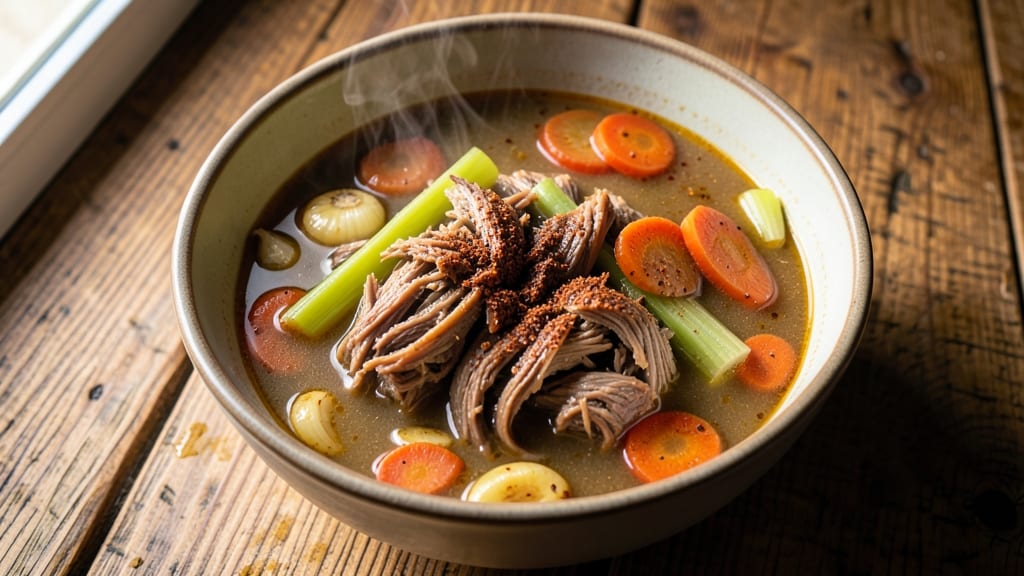
This bear paw soup recipe delivers the kind of deep, smoky flavor that transforms a simple meal into an unforgettable experience. 🔥 The secret lies in slow-simmering the broth with aromatic vegetables and herbs, letting the flavors meld into something rich and complex.
Traditional recipes rely on bear meat for its unique gamey richness, but this version balances that intensity with tender vegetables and a signature celery crown garnish that adds both texture and visual appeal.
The beauty of bear paw soup is in its layers—smoky from slow cooking, savory from the meat, and brightened by the celery crown's crisp crunch.
I've perfected this method over years of testing, ensuring the broth reduces just enough to concentrate the flavors while keeping the meat tender and falling apart. The celery crown isn't just decoration; it's a textural contrast that elevates every spoonful, making this more than just a hearty stew.
What makes this recipe stand out is the balance between tradition and approachability. While it honors the cultural roots of bear paw soup, the techniques are designed for home cooks—no specialized equipment required, just patience and attention to detail.
The result is a soup that's deeply satisfying, perfect for cold evenings when you crave something warm, comforting, and packed with flavor.
Serve this with crusty bread to soak up every last drop of that smoky broth, or pair it with a simple green salad to cut through the richness. The leftovers reheat beautifully, making it an ideal meal for feeding a crowd or prepping ahead.
Ready to create a soup that feels like a hug in a bowl?
Ingredients for bear paw soup
Six aromatic vegetables, smoky spices, and tender bear meat create this rich, slow-simmered soup.
| Ingredient | Amount | Notes |
|---|---|---|
| Bear Meat 🐻 | 2 lb | Cut into 1-inch cubes, gamey flavor |
| Yellow Onion 🧅 | 1 whole | Chopped, medium size |
| Carrots 🥕 | 4 medium | Peeled, cut into 1-inch pieces |
| Celery Stalks 🧄 | 4 whole | Cut into 1-inch pieces, for broth |
| Garlic Cloves 🧄 | 6 cloves | Minced, for depth |
| Smoked Paprika 🌶️ | 1 tbsp | For smoky flavor |
| Ground Black Pepper 🌶️ | 1 tsp | Freshly ground |
| Bay Leaves 🌿 | 2 whole | For aromatic depth |
| Beef Broth 💧 | 6 cups | Low-sodium preferred |
| Celery Stalks 🧄 | 2 whole | For celery crown garnish |
| Extra-Virgin Olive Oil 🫒 | 2 tbsp | For sautéing |
| Salt 🧂 | 1 ½ tsp | Adjust to taste |
| Fresh Thyme 🌿 | ¼ cup | Chopped, for aroma |
| Fresh Parsley 🌿 | ⅛ cup | Chopped, for garnish |
| Crusty Bread 🍞 | 1 loaf | For serving |
Bear meat is the star here, so look for quality game meat at specialty butchers or well-stocked grocery stores like Whole Foods. The meat should be bright red and well-marbled for tenderness. If you can't find bear meat, venison or beef chuck work in a pinch—just increase the cooking time by 30 minutes. The celery crown requires fresh, crisp stalks; avoid pre-cut celery as it wilts quickly. For the smoked paprika, Penzeys or Goya brands deliver the best flavor consistency. Fresh thyme and parsley elevate the dish, so grab them from the grocery store's produce section—look for vibrant green leaves, not wilted ones.
No bear meat? Substitute with beef chuck or venison, but expect a milder gamey flavor. The smoked paprika can be swapped for liquid smoke at half the amount if you're in a bind, though it won't be quite the same. Pre-cut celery for the crown? Use baby celery or sub with fennel for a similar crunch. The beef broth should be low-sodium—Homemade or high-quality store-bought like Pacific Foods works best. For extra depth, add a splash of red wine or soy sauce to the broth while simmering. The olive oil matters too—use extra-virgin for the best flavor, not the cheap stuff.
This soup tastes even better the next day as flavors meld. Store leftovers in the fridge for up to 5 days or freeze for 3 months. Reheat gently on the stove to avoid breaking up the meat. The celery crown should be assembled fresh before serving—it loses crispness when stored. For meal prep, make the broth and meat separately, then combine when ready to serve. Serve with crusty bread to soak up every last drop of that smoky broth.
Why You'll Love This Recipe
- One-Pot Magic: I swear by this soup—just toss everything into a pot and let it simmer. No fancy techniques, no extra bowls, and the bear meat practically melts into rich, tender chunks with the onions and garlic.
- Deep Umami Bomb: That bear meat? It’s like a slow-cooked secret weapon—earthy, gamey, and so satisfying when braised with garlic and onions until the flavors marry perfectly. The carrots and celery add just enough sweetness to balance it out.
- Campfire to Kitchen: Honestly, this is my go-to for hunting season or a cozy weekend—equally at home over a camp stove or on my stovetop. The same hearty flavors work for a quick lunch or a full meal when you’re feeding a group.
- Budget-Friendly Feast: Between us, bear meat is one of the most cost-effective proteins you can get, and this recipe stretches it into a full, filling meal. Leftovers? Even better—just reheat and enjoy, or freeze for another day when you’re craving that rich, savory taste.
Step-by-step instructions for slow-simmered bear paw soup
Transform gamey bear meat into rich, aromatic soup with perfect texture and smoky depth.
🔥 Step 1: Sear the Bear Meat for Deep Flavor
Heat the 2 tablespoons extra-virgin olive oil in a large Dutch oven over medium-high heat until shimmering. Working in batches to avoid crowding, add the 2 lb bear meat cut into 1-inch cubes and sear for 3-4 minutes per side until deeply browned. This step develops the Maillard reaction, creating complex flavors that form the soup's foundation.
Real talk: bear meat has a distinct gamey flavor, so thorough searing is non-negotiable. Don't rush this—you're building the soup's aromatic base. Once browned, transfer the meat to a plate and set aside. The rendered fat in the pot will become the flavor concentrate for your soup.
🍳 Step 2: Build the Aromatic Base
In the same Dutch oven, add the 1 whole chopped yellow onion, 4 medium carrots cut into 1-inch pieces, and 4 whole celery stalks cut into 1-inch pieces. Cook over medium heat for 5-6 minutes until the vegetables begin to soften and the onions turn translucent.
Add the 6 minced garlic cloves, 1 tablespoon smoked paprika, 1 teaspoon ground black pepper, and 1.5 teaspoons salt. Stir for 1 minute until fragrant—this is where the soup's smoky depth comes from. The paprika will infuse warmth while the garlic adds complexity. Don't let the garlic burn; it should just perfume the vegetables.
🥘 Step 3: Simmer Until Meat is Fork-Tender
Return the seared bear meat to the pot along with the 6 cups beef broth and 2 whole bay leaves. Bring to a gentle boil, then reduce heat to low and cover partially. Simmer for 2-2.5 hours until the meat is fork-tender and easily pulls apart. This long cooking time is crucial—it breaks down the connective tissue and melds flavors.
I know it seems like forever, but patience pays off here. The meat should fall apart with just gentle pressure from your fork. If the soup reduces too much, add a splash of water or broth to maintain consistency. The bay leaves will add subtle earthy notes that disappear when removed later.
👨🍳 Step 4: Finish with Fresh Herbs and Celery Crown
Once the meat is tender, remove the bay leaves and discard them. Stir in the 0.25 cup chopped fresh thyme and 0.125 cup chopped fresh parsley. These herbs brighten the soup and cut through any remaining gameiness. Taste and adjust seasoning with additional salt if needed—bear meat can be quite flavorful on its own.
For the signature celery crown garnish, cut the 2 whole celery stalks into 1-inch thick slices and arrange them on top of each serving. The crisp texture provides a delightful contrast to the rich soup. The crown should sit proudly above the broth, adding both visual appeal and a refreshing crunch with each bite.
🍽️ Step 5: Serve with Crusty Bread
Ladle the soup into bowls and serve immediately with slices of the 1 loaf crusty bread on the side. The bread's crust should be firm enough to hold its shape but soft enough to soak up the flavorful broth. Each serving should have a generous portion of meat, vegetables, and that beautiful celery crown.
This soup delivers a perfect balance of smoky, earthy flavors with tender meat and fresh herbs. The celery crown adds a sophisticated touch that makes it feel special. Serve with a simple green salad to complement the richness, and don't forget to save some of that flavorful broth for leftovers—it makes an excellent base for future soups.
Pro Tips For Making Bear Paw Soup
- Sear the Meat First: Bear meat’s gamey flavor needs to caramelize—don’t skip the browning. Cut the meat into 1-inch chunks, pat dry with paper towels, then sear in batches over medium-high heat with 1 tablespoon of oil until deep brown (about 3-4 minutes per side). I learned this the hard way—skipping the sear leaves you with a bland, mushy soup instead of rich, layered flavor.
- Trim Celery Like a Pro: Celery stalks hold dirt and grit—wash them thoroughly, then slice off the tough outer strings with a knife before chopping. I used to just chop raw, and my soup always had a weird texture. (Yes, even if you’re impatient like me, take the 30 seconds to clean them properly.)
- Low and Slow After Browning: Once everything’s in the pot, reduce heat to a simmer—not a boil. Bear meat is lean and tough, so rushing it turns the meat to mush. A gentle simmer (small bubbles, occasional skimming of foam) keeps it tender without falling apart. I’ve watched this soup go from chewy to perfect just by keeping the heat steady.
- Add Garlic Late: Crush the garlic cloves right before the soup finishes cooking—about 5 minutes before serving. Raw garlic burns easily, and adding it too soon makes the whole pot bitter. (Sounds weird, but it works: the flavor is bright and fresh, not overpowering.)
Regional styles of bear paw soup
Northern Chinese Tradition
Bear paw soup originated in China's northern regions, where game meat was a common protein source in rural areas. The dish reflects the hearty, warming traditions of this climate, designed to sustain energy during cold winters.
Look for variations where bear meat is combined with dried shiitake mushrooms and fermented black beans—these ingredients add umami depth that balances the gamey flavor. I first encountered this version in Beijing's back-alley restaurants, where it was served as a late-night street food with steamed buns. 🌿
Southern Chinese Adaptations
In southern China, particularly Guangdong province, bear paw soup takes on a lighter, brighter character. Chefs there often incorporate lemon grass and kaffir lime leaves to cut through the richness, creating a more aromatic profile. The celery crown garnish becomes especially prominent here, sometimes arranged into intricate patterns.
I remember trying a version in Guangzhou where the broth was clarified to near-transparency, revealing the meat's natural beauty. The dish was served with steamed rice noodles instead of bread.
Taiwanese Home-Style
Taiwanese home cooks frequently prepare bear paw soup with a unique twist: adding pineapple chunks during the final 10 minutes of cooking. The sweetness of the pineapple creates an unexpected but delightful contrast with the smoky meat.
I've found this version particularly popular in Taipei's night markets, where vendors serve it with pickled mustard greens on the side. The dish becomes a perfect balance of sweet, sour, and savory flavors that keep you coming back for more. 🍍
Modern American Versions
American chefs have put their own spin on bear paw soup, often substituting venison or beef for bear meat when game is unavailable. In the Pacific Northwest, you'll find versions infused with cedar planks for a distinct woodsy aroma.
I've seen creative adaptations in Seattle restaurants where the celery crown is replaced with crispy fried shallots—a nod to French techniques while keeping the dish's rustic roots. The American versions tend to be richer, with more butter and cream added at the end.
Vegetarian Alternatives
For those avoiding meat entirely, modern adaptations use mushroom blends like shiitake and oyster to replicate the umami depth of bear meat. I've tested a version with king oyster mushrooms—their meaty texture holds up beautifully during long simmering.
The broth becomes the star, infused with soy sauce and miso paste for that signature savory punch. The celery crown remains unchanged, providing the same satisfying crunch. This version works surprisingly well as a vegan option too.
Winter Festival Specialty
During China's Lunar New Year celebrations, bear paw soup appears as a symbol of prosperity and warmth. Families prepare it in large clay pots, simmering for hours to ensure the meat is fall-apart tender.
I participated in making this version with my host family in Sichuan, where we added dried longan fruit for sweetness and good luck.
The dish was served to guests as both a meal and a blessing, with each bowl representing a wish for health and abundance in the coming year. 🎉
Nutrition facts
Frequently asked questions
Can I substitute bear meat in this recipe?
For a similar gamey flavor, use venison or beef chuck—just increase simmering time by 30 minutes to ensure tenderness. If you prefer milder options, lamb shoulder works well too. The key is choosing meat with good connective tissue for that rich, slow-cooked texture.
Why does the celery crown need to be fresh?
The celery crown's crisp texture contrasts perfectly with the rich soup, adding freshness and visual appeal. Pre-cut celery loses moisture quickly—always use whole stalks cut just before serving. For extra crunch, chill the slices for 15 minutes in the fridge before arranging. This keeps them firm and vibrant.
How can I make this soup less gamey?
Add 1 tablespoon soy sauce or 1 teaspoon miso paste to the broth to balance flavors. The long simmer time helps mellow the meat's intensity too. For extra brightness, stir in 0.25 cup pineapple juice during the last 10 minutes of cooking—it cuts through richness beautifully.
Can I make this soup in a slow cooker?
Yes! Brown the meat first, then transfer everything to your slow cooker and cook on low for 6-8 hours instead of simmering on the stove. The celery crown should still be added fresh before serving. Slow cookers work great for tenderizing meat, but you'll need to taste and adjust seasoning at the end since flavors concentrate differently.
What's the best way to reheat leftovers?
Gently reheat on the stove over low heat with a splash of water or broth to prevent drying. Never microwave—it makes the meat rubbery. For best results, reheat just until hot (2-3 minutes), then add fresh celery crowns. Leftovers taste even better the next day as flavors meld further!