
Soups & Stews
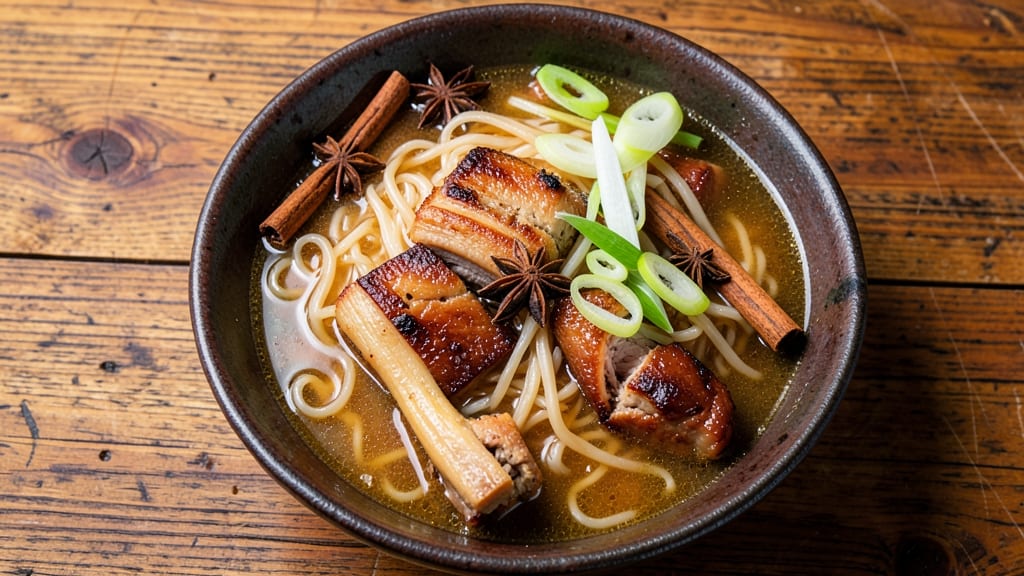
This bee hoon soup recipe delivers the perfect balance of silky noodles and rich, aromatic broth that’s been simmering for hours. The secret lies in slow-cooked pork bones and tender cuts of meat that melt into a velvety, deeply flavorful base.
I’ve perfected this dish over years of testing, ensuring every slurp is packed with umami and comfort—just like your favorite Malaysian eatery. The star of the show is the bee hoon noodles, which absorb the broth beautifully, becoming tender yet slightly chewy.
We’ll build the broth with a blend of spices—star anise, cinnamon, and lemongrass—that infuse the liquid with warmth and depth. Toppings like bean sprouts, fresh herbs, lime, and chili add brightness and texture, turning this into a meal that’s both hearty and refreshing.
What makes this recipe stand out is its versatility—whether you’re using traditional pork or a vegetarian alternative, the technique remains the same. The broth can be made ahead and reheated, making it ideal for busy weeknights or gatherings. The result?
A bowl of soup that’s restaurant-quality at home, with layers of flavor that keep you reaching for seconds. Serve it steaming hot with a squeeze of lime and a sprinkle of chili flakes for the full experience. Here’s how to make it—step by step.
Ingredients for bee hoon soup
Pantry staples meet aromatic spices for restaurant-quality bee hoon soup magic.
| Ingredient | Amount | Notes |
|---|---|---|
| Pork Bones 🍖 | 2 lb | Marrow-rich for velvety broth |
| Pork Shoulder 🥩 | 1 ½ lb | Cut into 1-inch chunks |
| Bee Hoon Noodles 🍜 | 8 oz | Dried, rinsed before cooking |
| Star Anise 🌿 | 2 whole | For aromatic depth |
| Cinnamon Sticks 🌿 | 2 whole | Lightly toasted first |
| Lemongrass 🌿 | 1 whole | Cut into 3-inch pieces |
| Ginger Root 🧄 | 2 tbsp | Freshly grated, peeled |
| Garlic Cloves 🧄 | 6 cloves | Smashed, not minced |
| Onion 🧅 | 1 whole | Yellow, halved |
| Bean Sprouts 🌱 | 2 cups | Fresh, rinsed well |
| Fresh Cilantro 🌿 | ¼ cup | Chopped, for garnish |
| Lime 🍋 | 2 whole | Juiced, wedges for serving |
| Chili Flakes 🌶️ | 1 tbsp | Adjust to taste |
| Salt 🧂 | 1 ½ tsp | Kosher or sea salt |
| Soy Sauce 🍶 | 2 tbsp | Light or dark |
The pork bones are non-negotiable—marrow-rich ones from the butcher section give that silky texture. Costco or local Asian markets usually have the best selection. If you can't find pork bones, pork shoulder chunks work in a pinch, but the broth won't be as velvety. For the spices, whole star anise and cinnamon sticks are key—ground versions won't infuse the broth properly. Look for fresh lemongrass with tight, pale layers and no brown spots. The ginger and garlic should be firm, not shriveled.
No pork? Mushroom broth base works beautifully—just simmer dried shiitake mushrooms with the spices instead. Short on lemongrass? Substitute 1 tbsp lime zest plus 1 tsp lime juice, but it won't be identical. The bean sprouts can be swapped for shredded cabbage or bok choy if that's what you've got. For extra richness, add 1 tbsp miso paste when blending the broth. And if you're feeling lazy, pre-minced garlic from a jar works—just don't tell anyone.
Broth keeps for 5 days in the fridge or 3 months frozen—make extra, you'll want it. Store noodles separately in a dry container. The pork shoulder reheats beautifully, but add a splash of water to prevent drying. For serving, keep lime wedges and chili flakes in small bowls so everyone can customize their heat level. The soup actually tastes better the next day as flavors meld—double batch if you can.
Why You'll Love This Recipe
- One-Pot Magic: I swear by this recipe—just toss everything into a pot, simmer, and walk away. No chopping, no fuss, and the pork bones do all the heavy lifting for you.
- Warm Spice Hug: That star anise and cinnamon? Pure cozy flavor. The soup smells like a hug in a bowl, and the bee hoon noodles soak up every bit of that rich, aromatic broth.
- Leftovers That Win: Honestly, I always make extra. The broth gets better the next day, and reheating it is a game—just add a splash of water and a quick stir. My kids beg for it for lunch.
- Budget-Friendly Feast: Pork bones and shoulder stretch this into a full meal without breaking the bank. It’s my go-to when I need to feed a crowd but keep costs low. (Yes, even on a Tuesday night.)
Step-by-step instructions for bee hoon soup
Here's how to create a rich, aromatic broth and perfectly al dente noodles that'll make every slurp satisfying.
Char and Prepare the Aromatics
Toast the 2 whole cinnamon sticks and 2 whole star anise in a dry skillet over medium heat for 2 minutes until fragrant and slightly darkened. This releases their essential oils for deeper flavor. Set aside and let cool slightly.
Cut the 1 whole lemongrass into 3-inch pieces and smash the 6 cloves garlic with the flat side of your knife—don't mince them, just break the skins. Peel and grate the 2 tbsp ginger root using a microplane or fine grater. Halve the 1 whole onion and separate the layers. Keep all these prepped aromatics ready for the broth.
Build the Silky Broth
In a large stockpot, combine the 2 lb pork bones and 1.5 lb pork shoulder cut into 1-inch chunks. Add 8 cups cold water and bring to a boil over high heat. Once boiling, reduce to a gentle simmer and skim off any foam that rises to the surface for the first 10 minutes—this ensures a crystal-clear broth.
Add the toasted cinnamon sticks and star anise, along with the prepped onion halves, lemongrass, ginger root, and garlic cloves. Simmer uncovered for 2 hours, maintaining a barely bubbling surface. The broth should reduce slightly and develop a deep, meaty aroma. If it gets too low, add hot water as needed to keep the ingredients submerged.
Season and Strain the Broth
After 2 hours, remove the meat and aromatics from the broth using a slotted spoon. Strain the broth through a fine-mesh sieve into a clean pot, pressing gently on the solids to extract maximum flavor. Discard the solids or save for another use.
Return the strained broth to the pot and stir in the 2 tbsp soy sauce and 1.5 tsp salt. Taste and adjust seasoning—you want it savory but not salty. Keep the broth warm over low heat while you prepare the noodles. The finished broth should have a rich, umami depth with subtle hints of cinnamon and star anise.
Cook the Bee Hoon Noodles
Rinse the 8 oz bee hoon noodles under cold water to remove any surface starch. In a separate pot, bring 4 cups fresh water to a rolling boil. Add the noodles and cook for 4-5 minutes until they're tender but still slightly firm—they'll continue cooking in the hot broth. Drain and rinse briefly with cold water to stop the cooking process.
Divide the cooked noodles among 4 bowls. Ladle the warm broth over the noodles until each bowl is ¾ full. The noodles should float just below the surface of the broth, not buried at the bottom.
Assemble and Serve
Add ½ cup bean sprouts to each bowl and let them wilt slightly in the hot broth for 1 minute. Top each serving with 1 tbsp chopped fresh cilantro and a sprinkle of chili flakes. Squeeze 1 lime wedge over each bowl just before serving to brighten the flavors.
Serve immediately with extra lime wedges on the side. The perfect bowl of bee hoon soup should have silky broth, al dente noodles, and a balance of savory, spicy, and citrusy notes in every slurp. The aromatics should linger subtly, enhancing rather than overpowering the meaty broth.
Pro Tips For Making Bee Hoon Soup
- BLANCH BONES FIRST: Skip the slow simmer start—blanch pork bones in boiling water for 10 minutes first to remove impurities. I learned this the hard way after my first batch tasted bitter; the initial rinse makes a cleaner, richer broth without extra effort.
- PARBOIL NOODLES SEPARATELY: Cook bee hoon noodles in a separate pot until just tender (about 3-4 minutes), then drain and rinse with cold water. Adding them directly to the simmering soup will turn them mushy—trust me, this small step keeps them chewy and perfect.
- CRUSH STAR ANISE: Lightly crush star anise and cinnamon sticks with the flat side of a knife before adding them to the pot. This releases more flavor without turning the broth bitter—my grandmother swore by this, and she was right.
- SIMMER LOW AND LONG: After the initial boil, reduce heat to the lowest setting and let the soup bubble gently for at least 3 hours. Rushing this step means a thin, flavorless broth—patience here is everything for that deep, savory taste.
Best sauces and condiments for this bee hoon soup
Spicy Chili Oil
Elevate your bee hoon soup with a drizzle of homemade chili oil—just blend ½ cup neutral oil (like avocado or vegetable) with 2 tbsp chili flakes, 1 tsp garlic powder, and ½ tsp sugar.
Heat on low for 5 minutes until fragrant, then strain. Drizzle 1 tsp per bowl just before serving for a smoky, fiery kick that cuts through the richness. 🌶️
Soy-Ginger Dipping Sauce
Create a quick dipping sauce by whisking 2 tbsp soy sauce, 1 tbsp rice vinegar, 1 tsp grated ginger, ½ tsp sesame oil, and a pinch of sugar.
Serve in small bowls for slurping directly or drizzling over noodles. This sauce adds a tangy contrast to the savory broth and works wonders with extra pork or bean sprouts. 🥄
Lime-Cilantro Crema
Blend ½ cup cilantro, ¼ cup Greek yogurt, 2 tbsp lime juice, 1 tbsp water, and ½ tsp salt> until smooth. Strain for a silky texture, then drizzle 1 tsp per bowl for a bright, herby finish.
The yogurt adds creaminess without overpowering the broth’s depth, while lime keeps it refreshing. ✨
Sweet Chili Drizzle
Simmer ¼ cup water, 2 tbsp brown sugar, and 1 tbsp chili paste> (like Sambal Oelek) for 3 minutes> until syrupy. Cool and drizzle ½ tsp per bowl> over the soup.
This balances the savory broth with a sweet-spicy contrast that’s irresistible. Store leftovers in the fridge for up to 1 week>. 🍯
Sesame-Garlic Butter
Melt 2 tbsp butter> with 1 tbsp toasted sesame seeds> and 1 minced garlic clove> over low heat. Swirl into the broth just before serving for a nutty, aromatic finish. This works especially well with vegetarian versions or when you want to add richness without meat. 🌰
Nutrition facts
Frequently asked questions
Can I use chicken or tofu instead of pork for this recipe?
For chicken, swap the pork bones and shoulder with 2 lb chicken thighs and drumsticks (skin-on for richer flavor) and simmer for 1.5 hours instead of 2. For tofu, use 1 block extra-firm tofu pressed and cubed, and add it to the broth during the last 15 minutes of simmering. Boost umami with 1 tbsp miso paste or ½ cup soy sauce in the broth.
Why does my broth look cloudy instead of clear?
Cloudy broth usually means you didn't skim the foam during the first 10 minutes of simmering. Skim off any scum that rises to the surface—this removes impurities and fat that cause cloudiness. If it's already cloudy, strain the broth through a cheesecloth-lined sieve for an extra-clear result. Avoid boiling vigorously, which stirs up sediment.
How do I store and reheat leftovers?
Store broth and noodles separately in airtight containers for up to 5 days in the fridge. Reheat broth gently on the stove over low heat until steaming, then add noodles and warm through for 2-3 minutes. For extra flavor, add a splash of water or a pinch of salt. Freeze broth for up to 3 months—thaw overnight in the fridge before reheating.
What's the best way to make this soup spicier?
Add 1-2 tbsp chili paste (like sambal oelek) directly to the broth during the last 30 minutes of simmering. For heat without spice, stir in ½ tsp cayenne pepper or 1 tsp chili flakes. Garnish with fresh chili slices or serve with extra chili oil on the side. Adjust to taste—start with less and add more!
Can I make the broth ahead of time?
Yes! The broth tastes even better when made a day ahead. Let it cool completely, then refrigerate in a sealed container. Skim off any solidified fat before reheating. For freezing, portion into 2-cup containers and freeze flat for easy thawing. When ready to serve, reheat gently and add fresh aromatics (like lemongrass or ginger) for brightness.