
Soups & Stews
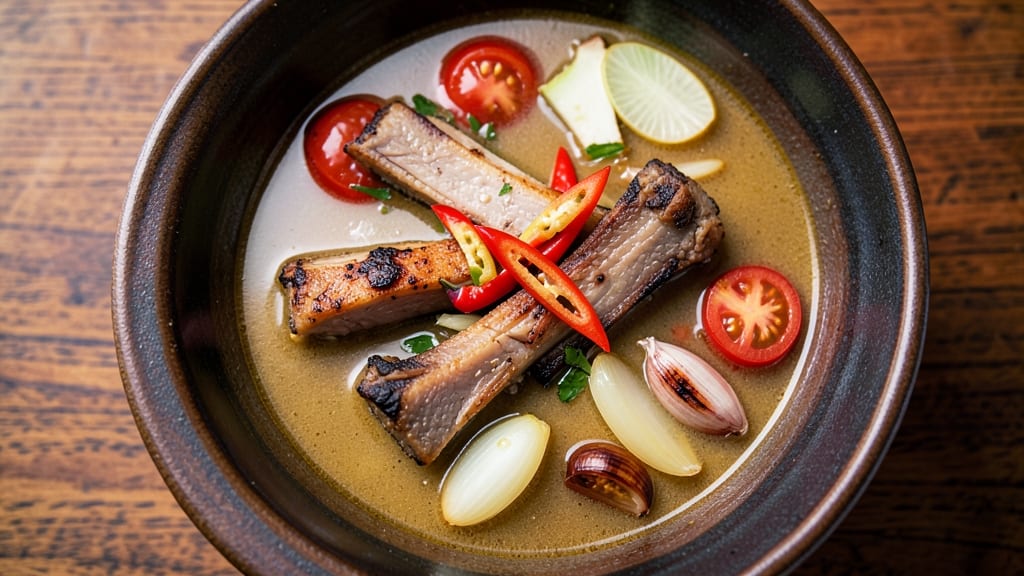
This beef bulalo bone marrow soup recipe brings the soul-warming essence of Filipino comfort food to your kitchen, where slow-simmered bones and marrow create a deeply flavorful broth that lingers long after the last spoonful.
The secret lies in the 3-4 hour simmer that transforms tough beef bones into tender, melt-in-your-mouth pieces while extracting rich umami from the marrow.
I first tasted this dish in a bustling Manila restaurant, where the aroma alone made my mouth water—now, I recreate that same depth at home with a few key techniques.
The foundation of authentic bulalo begins with beef marrow bones (the knuckle end is ideal) and a slow, gentle simmer that builds layers of flavor without rushing the process. Unlike quick soups, this dish rewards patience—each hour in the pot deepens the broth’s complexity, turning simple ingredients into something extraordinary.
Traditional versions include ginger, garlic, and chili for balance, but the marrow itself is the star, adding a velvety richness that’s impossible to replicate with substitutes.
What you’ll end up with is a golden, aromatic broth filled with tender beef, crisp vegetables, and marrow that melts into the soup, creating pockets of buttery goodness.
The texture is a perfect harmony—crisp radishes and cabbage cut through the richness, while the beef falls apart at the touch of a spoon. This isn’t just a soup; it’s a celebration of slow cooking and the simple joy of a meal that feels like a hug in a bowl.
Serve it with steamed rice to soak up every drop of that umami-packed broth, or pair it with crusty bread for dipping. The beauty of bulalo is its versatility—adjust the heat to your preference, or add a splash of calamansi for brightness.
Ready to bring a taste of the Philippines to your table? Let’s get started.
Ingredients for beef bulalo bone marrow soup
The soul of bulalo lies in these marrow bones and aromatic roots—slow-simmered for umami depth.
| Ingredient | Amount | Notes |
|---|---|---|
| Beef Marrow Bones 🦴 | 4 lb | Knuckle end preferred, fresh or frozen |
| Yellow Onions 🧅 | 2 whole | Chopped, medium size |
| Garlic Cloves 🧄 | 8 cloves | Peeled, smashed lightly |
| Fresh Ginger 🌿 | 3 oz | Sliced, peeled, about 1.5 inches |
| Fresh Chili Peppers 🌶️ | 2 whole | Siling labuyo or jalapeño, sliced |
| Tomatoes 🍅 | 4 whole | Medium, quartered, San Marzano preferred |
| Potatoes 🥔 | 2 lb | Russet, peeled, cut into chunks |
| Carrots 🥕 | 2 lb | Baby or whole, cut into chunks |
| Cabbage 🥬 | 1 whole | Green, cut into wedges |
| Radishes 🥕 | 1 lb | Sliced into rounds |
| Fish Sauce 🐟 | 2 tbsp | Red Boat preferred |
| Soy Sauce 🍶 | 2 tbsp | Dark soy sauce preferred |
| Salt 🧂 | 1 tsp | Diamond Crystal preferred |
| Black Peppercorns 🌶️ | 1 tsp | Freshly cracked |
| Bay Leaves 🍃 | 2 whole | Dried, crushed lightly |
The marrow bones are non-negotiable—the knuckle end with marrow is what gives bulalo its signature richness. Ask your butcher for beef knuckle bones, or find them frozen at Asian markets. If you can't get marrow bones, beef shank bones work in a pinch, but the flavor won't be as deep. The ginger and garlic should be fresh—no powdered substitutes. For the chili, siling labuyo (Filipino bird's eye) packs the most heat, but jalapeños work if that's all you have. The tomatoes? San Marzano are sweeter and less acidic, but any good-quality canned tomatoes will do.
No fish sauce? Soy sauce plus a splash of vinegar gets you close, but the umami won't be the same. Short on dark soy sauce? Regular soy sauce with a pinch of sugar mimics the color. The potatoes and carrots can be swapped for any root vegetable you like—parsnips or turnips add different textures. For the cabbage, Napa cabbage is traditional, but green cabbage works fine. The radishes add a nice crunch—skip them if you prefer a softer texture. Pro tip: Toast your spices (bay leaves, peppercorns) in a dry pan for 30 seconds before adding to the pot—they'll release deeper flavors.
This soup tastes even better the next day as the flavors meld. Store in the fridge for up to 5 days, or freeze portions for 3 months. The broth reduces as it cools, so add a splash of water when reheating. For serving, keep the marrow bones whole until the last minute—they'll melt into the soup, creating those magical pockets of buttery goodness. I always make a double batch because it disappears faster than you can say 'bulalo'—leftovers make the best lunches.
Why You'll Love This Recipe
- One-Pot Magic: I swear by this—just toss the marrow bones, onions, and ginger into a pot, add water, and let it simmer. No chopping, no fuss, and the bones do all the work while you sip your coffee.
- Rich, Deep Umami Bomb: That marrow? Pure flavor gold. Once it melts into the broth, you’ve got this impossibly creamy, savory base with just a hint of garlic and chili heat cutting through—like a hug in soup form.
- Leftovers That Beg for More: This stuff tastes better the next day. Honestly, I’ve reheated it twice and still craved it—perfect for meal prep when you’re too tired to cook but don’t want sad takeout.
- Budget-Friendly Bone Broth: Marrow bones are cheap, and this recipe stretches them into gallons of broth. Freeze what you don’t use, and suddenly you’ve got a pantry staple that costs pennies per serving.
Step-by-step instructions for beef bulalo bone marrow soup
Here's how to create this deeply flavorful Filipino soup with melt-in-your-mouth marrow and tender vegetables.
Prepare the Bones and Aromatics
Start by rinsing the 4 lb beef marrow bones thoroughly under cold water to remove any impurities. I like to use a stiff brush to scrub them clean, especially the knuckle ends where flavor concentrates. Pat them completely dry with paper towels—this helps them brown better and prevents the broth from clouding.
In a large stockpot, combine the cleaned bones with 2 whole chopped yellow onions, 8 smashed garlic cloves, 3 oz sliced ginger, and 2 sliced fresh chili peppers. The aromatics should sizzle gently as they release their oils. Add 4 quartered tomatoes, 2 whole bay leaves, and 1 tsp salt. This aromatic base forms the flavor foundation of your soup.
Simmer the Bones for Deep Flavor
Cover the bones with 12 cups cold water—just enough to fully submerge everything. Bring to a boil over high heat, then immediately reduce to a gentle simmer. Skim off any foam that rises to the surface during the first 15 minutes—this ensures a clear, clean broth. Cover partially and let it simmer uncovered for 2 hours, maintaining a barely bubbling state.
After 2 hours, check the bones—you should be able to easily separate the meat from the bone with a spoon. If not, continue simmering for another 30 minutes. The longer you cook, the more gelatinous and flavorful the broth becomes. This is where the magic happens—the marrow begins to melt into the broth, creating that signature rich, velvety texture.
Add Vegetables and Seasonings
Once the bones are tender, carefully remove them from the broth and set aside to cool slightly. Strain the broth through a fine-mesh sieve into a clean pot, discarding the solids. Return the broth to medium heat and add 2 lb chopped potatoes, 2 lb chopped carrots, and 1 whole cabbage cut into wedges. Bring to a gentle boil, then reduce heat to low and simmer for 20 minutes until the vegetables are tender but still hold their shape.
Add 1 lb sliced radishes, 2 tbsp fish sauce, and 2 tbsp soy sauce to the broth. Stir well to combine. The fish and soy sauces add that signature umami depth that makes bulalo so irresistible. Taste and adjust seasoning with additional salt or soy sauce if needed—you want the flavors to be balanced but still rich.
Finish with Marrow and Fresh Herbs
While the vegetables simmer, carefully scoop the marrow from the cooled bones using a spoon. Gently press the marrow against the side of the pot to release it into the broth. The marrow should melt into the liquid, creating a luxurious, velvety texture. Return the bones to the pot and simmer for another 10 minutes to let the marrow fully incorporate.
Ladle the hot soup into serving bowls, garnishing each with a sprinkle of freshly cracked black peppercorns. The contrast between the creamy marrow, tender vegetables, and spicy chili peppers makes every bite unforgettable. Serve immediately with steamed rice to soak up every last drop of that rich, umami-packed broth.
Pro Tips For Making Beef Bulalo Bone Marrow Soup
- CRACK THE BONES FIRST: Don’t just toss whole marrow bones into the pot—crack them open with a meat mallet or heavy knife before simmering. This releases the rich marrow faster and gives your soup that velvety texture from the start. (Yes, it’s messy, but worth it.)
- BLANCH ONIONS AND GINGER: Sear your onions and ginger in oil until they’re soft but not browned—then splash in a splash of water and let them steam for 2 minutes. This mellows their sharpness and prevents the soup from tasting like raw onion or overpowering spice later. I learned this the hard way after a batch tasted like a hospital cafeteria.
- LOW AND SLOW IS NON-NEGOTIABLE: Once the bones are simmering, resist the urge to crank the heat—keep it at a gentle bubble, just enough to see tiny ripples. High heat makes the broth cloudy and pulls the marrow out too fast. After 3 hours, you’ll see the bones release their collagen naturally, turning the broth into liquid gold.
- SAVE THE CHILI OIL: Instead of tossing chopped chili peppers into the soup, fry them whole in oil until fragrant, then remove them. Strain the oil and drizzle it over finished bowls—this adds heat without making the soup taste like a mouthful of spice. (And yes, your future self will actually ask for seconds.)
Troubleshooting this recipe
Broth Too Cloudy?
If your broth looks cloudy after simmering, you likely didn’t skim enough foam during the initial 15 minutes. Use a fine-mesh skimmer to remove any scum that rises to the surface—this keeps the broth clear and clean.
For extra clarity, strain the broth through a cheesecloth-lined sieve after the 2-hour simmer before adding vegetables. 🌡️
Bones Not Tender Enough
Undercooked bones are the #1 reason bulalo falls flat. Extend your simmer time to 2.5-3 hours if needed—gentle heat is key. Test doneness by poking a bone with a spoon; meat should separate easily.
For extra tenderness, add 1 tsp baking soda to the pot when you start simmering (neutralizes acidity that toughens meat).
Marrow Not Melting
If your marrow stays solid, it likely wasn’t exposed to enough heat. After removing bones from the broth, gently press each marrow cavity against the pot’s side to release the marrow directly into the liquid.
For stubborn marrow, simmer the bones 5 more minutes in fresh hot broth to encourage melting. Never microwave marrow—it turns greasy instead of velvety. 💫
Vegetables Too Soft
Potatoes and carrots turning mushy? Reduce simmering time to 15 minutes after adding vegetables, then add them back to the pot just before serving. For extra structure, parboil potatoes and carrots separately for 8 minutes before adding to the broth.
Radishes should always go in last—they cook in just 5 minutes.
Flavor Too Mild
A weak broth usually means insufficient aromatics or simmer time. Double-check your ginger and garlic—they should be fresh and used in generous amounts. For extra depth, toast 1 tsp coriander seeds with your spices before adding to the pot.
If using store-bought fish sauce, opt for Red Boat Premium—it has more umami punch than budget brands.
Broth Too Salty
Accidental over-salting happens fast with fish and soy sauces. If your broth tastes too strong, dilute with ½ cup hot water and adjust gradually. For prevention, taste as you go—add sauces one at a time, waiting 5 minutes between additions to judge flavor development.
A splash of calamansi juice (or lemon) can brighten overly salty broths beautifully. 💡
Nutrition facts
Frequently asked questions
Can I substitute beef marrow bones with other cuts?
While marrow bones are ideal for their rich flavor, you can use beef shank bones or knuckle bones as substitutes. However, the marrow content will be less, so add an extra 1 tbsp butter or 2 tbsp cream at the end to mimic the richness. Never use bones without marrow—they won't deliver that signature velvety texture.
How do I know when the beef bones are fully cooked?
The bones are done when the meat separates easily from the bone with a spoon—this usually takes 2-3 hours of gentle simmering. For extra assurance, cut into a bone: the meat should be tender and pull away cleanly. Overcooking won't hurt, but it may make the broth too concentrated.
Can I make bulalo in a slow cooker or Instant Pot?
Yes! For a slow cooker, simmer on low for 6-8 hours or high for 4-5 hours after the initial boil. For an Instant Pot, use the high pressure setting for 90 minutes, then natural release for 15 minutes. The Instant Pot version will be richer but may require adding water later to reach your desired consistency.
What's the best way to store leftover bulalo?
Store in an airtight container in the fridge for up to 5 days, or freeze for 3 months. The broth reduces as it cools, so add a splash of water when reheating. For best texture, reheat gently on the stove—never microwave, as it can make the marrow greasy.
How can I make my bulalo less spicy?
Reduce the number of chili peppers by half or remove them entirely. For extra mildness, add 1 tbsp sugar or ½ cup coconut milk at the end to balance the heat. Taste as you go—you can always add more chili later, but you can't take it out!