
Soups & Stews
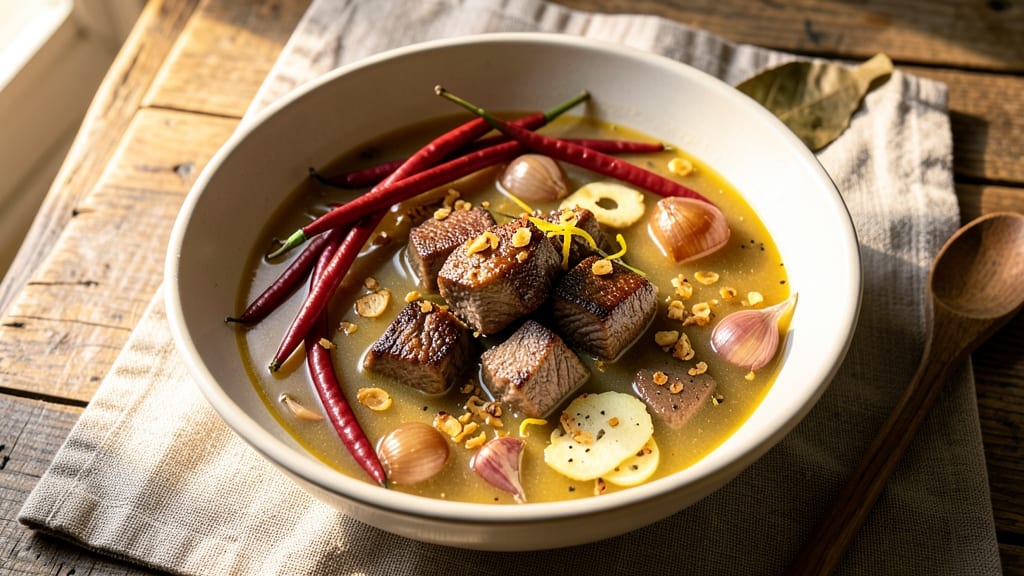
This beef nilaga soup delivers the deep, comforting flavors of Filipino home cooking with every tender bite. The secret lies in slow-simmering beef and aromatics until the broth develops rich umami, creating a dish that's both hearty and deeply satisfying.
What sets this recipe apart is the balance of savory, slightly sweet, and herbal notes that define authentic Filipino soups.
The process begins with browning beef cuts to develop deep flavor, then simmering them with ginger, garlic, and bay leaves until fork-tender. Traditional vegetables like string beans and potatoes round out the dish, absorbing the aromatic broth.
The result is a soup that's simple yet complex, perfect for family meals or special occasions.
What you'll achieve is a tender beef that practically melts in your mouth, surrounded by a fragrant broth that's packed with layers of flavor. The vegetables retain their texture while soaking up the savory essence, creating a harmonious blend that's both comforting and restaurant-quality.
This is the kind of soup that warms the soul and brings people together.
The beauty of this recipe lies in its versatility—it serves as a complete meal on its own or pairs beautifully with steamed rice. The slow simmering process ensures maximum flavor extraction, making every spoonful worth the time invested. Let's create this timeless Filipino classic together.
Ingredients for beef nilaga soup
Sixteen ingredients blend into a soul-warming Filipino classic with melt-in-your-mouth beef and aromatic broth.
| Ingredient | Amount | Notes |
|---|---|---|
| Beef Chuck Roast 🥩 | 2 lb | Cut into 1.5-inch cubes, marbled for tenderness |
| Yellow Onions 🧅 | 2 whole | Medium size, sliced into half-moons |
| Garlic Cloves 🧄 | 8 cloves | Peeled, lightly crushed for aroma |
| Fresh Ginger Root 🌿 | 2 tbsp | Finely grated, aromatic base |
| Bay Leaves 🍃 | 3 whole | Dried, for deep herbal notes |
| String Beans 🍃 | 1 lb | Trimmed, cut into 2-inch pieces |
| Baby Potatoes 🥔 | 1 ½ lb | Whole, halved if large |
| Carrots 🥕 | 3 whole | Medium size, cut into thick rounds |
| Tomatoes 🍅 | 2 whole | Medium, quartered (or 1 can diced) |
| Beef Broth 💧 | 6 cups | Low-sodium preferred for balance |
| Water 💧 | 4 cups | For broth dilution |
| Soy Sauce 🍶 | 2 tbsp | Light or dark for umami depth |
| Sugar 🍯 | 1 tbsp | Balances savory notes |
| Salt 🧂 | 1 ½ tsp | Adjust to taste at the end |
| Black Peppercorns 🌶️ | 1 tsp | Crushed for subtle heat |
| Vegetable Oil 🫒 | 2 tbsp | For searing beef |
The beef is non-negotiable for authentic nilaga. Chuck roast delivers that signature tender texture—sirloin or ribeye will stay chewy. Look for cuts with good marbling at Filipino grocery stores or your local butcher. If you can't find beef chuck, short ribs work well too, though they'll need extra time. For the aromatics, fresh ginger and garlic are essential—dried powder won't cut it. The bay leaves might seem small, but they're the secret to that deep herbal background flavor. Penzeys or local spice shops carry high-quality dried leaves if your grocery store's selection is lackluster.
No soy sauce? Coconut aminos works in a pinch, though it'll lack the depth. Running out of tomatoes? Tomato paste at half the amount concentrates the flavor. The potatoes can be swapped for sweet potatoes or taro if you're feeling adventurous—just adjust cooking time. For a sweeter touch, coconut milk can replace some of the broth (start with 1 cup). The string beans are traditional, but green beans or snap peas work just as well. If you're using canned tomatoes, San Marzano is ideal for that perfect balance of acidity and sweetness. And for the love of all things Filipino, never skip the bay leaves—they're the soul of this soup.
This soup tastes even better the next day as flavors meld. Store in an airtight container in the fridge for up to 4 days. For longer storage, freeze portions for 3 months—just thaw overnight in the fridge. The broth reduces as it sits, so you might want to add a splash of water when reheating. Steamed white rice is the perfect partner—double the recipe if you're feeding a crowd. The leftovers reheat beautifully, making this an ideal make-ahead meal for busy weeks. And trust me, the aroma alone will have everyone gathering around the table.
Why You'll Love This Recipe
- One-Pot Magic: I swear by this recipe—just toss everything into a pot, add water, and walk away. The chuck roast practically melts into tender perfection while you handle the rest of your day.
- Ginger-Garlic Bomb: That fresh ginger and minced garlic? They’re the secret weapons. The broth gets this warm, aromatic depth that makes every spoonful feel like a hug—especially when the bay leaves add their earthy whisper.
- Leftovers That Don’t Suck: Between us, most soups turn sad after day two. Not this one. The beef stays juicy, the broth thickens into something even better, and I’ve reheated it for days without a single complaint from my family.
- Budget Winner: A whole chuck roast for a crowd? Yes, please. It’s cheaper than takeout, feeds six, and still feels like a special meal. Plus, the onions and ginger stretch the flavor so you’re not just eating beef—you’re eating soup.
Step-by-step instructions for slow-simmered beef nilaga soup
Here's the method that delivers melt-in-your-mouth beef and deeply flavorful broth every time.
Sear the Beef Chuck Roast for Maximum Flavor
Heat the 2 tablespoons vegetable oil in a large Dutch oven over medium-high heat until shimmering. Pat the 2 lb beef chuck roast dry with paper towels and cut it into 1.5-inch cubes as specified. Working in batches to avoid crowding, sear the beef until deeply browned on all sides—about 3-4 minutes per side. This step develops the rich, caramelized crust that forms the flavor base of your soup.
Remove the seared beef and set it aside. If the oil starts to smoke excessively, reduce the heat slightly. You want the beef to develop color without burning. The goal here is to create a fond at the bottom of the pot that will dissolve into the broth during simmering, adding layers of umami depth.
Build the Aromatic Base with Onions and Ginger
In the same Dutch oven, add the sliced 2 whole yellow onions and cook over medium heat for 5-6 minutes, stirring occasionally, until softened and beginning to caramelize at the edges. This transformation from pale to golden indicates they're releasing their natural sweetness and developing complex flavors.
Add the 2 tablespoons fresh ginger root (finely grated) and cook for another 1 minute until fragrant. The ginger will infuse the onions with its warm, slightly spicy aroma. Here's the thing—don't rush this step. The longer you cook these aromatics, the more flavor you'll extract from them, which will carry through to your entire soup.
Add Broth and Simmer Until Beef is Fork-Tender
Pour in the 6 cups beef broth and 4 cups water, scraping up any browned bits from the bottom of the pot with a wooden spoon. This technique, called deglazing, ensures you capture all that concentrated flavor. Bring the liquid to a gentle boil, then reduce heat to low and add the seared beef back to the pot along with the 3 whole bay leaves.
Cover and simmer for 2-2.5 hours until the beef is fork-tender and easily pulls apart with minimal resistance. This long, slow cook time is crucial—it breaks down the connective tissue in the beef, transforming it into tender, melt-in-your-mouth pieces. Check the liquid level occasionally and add hot water if it reduces too much, keeping the beef submerged.
Incorporate Vegetables and Seasonings
About 45 minutes before the beef is fully tender, add the 1.5 lb baby potatoes (halved if large), 3 whole carrots (cut into thick rounds), and 1 lb string beans (trimmed and cut into 2-inch pieces). These vegetables need time to soften but shouldn't turn to mush. The potatoes should be tender when pierced with a fork but still hold their shape.
Add the 2 whole tomatoes (quartered), 8 cloves garlic cloves (lightly crushed), 2 tablespoons soy sauce, 1 tablespoon sugar, 1.5 teaspoons salt, and 1 teaspoon black peppercorns (crushed). The soy sauce adds umami depth, while the sugar helps balance the savory flavors. Stir gently to combine, then continue simmering until all vegetables are tender and the beef is perfectly tender.
Finish and Serve with Fresh Herbs
Remove the soup from heat and let it rest for 10 minutes to allow the flavors to meld. Taste and adjust the seasoning if needed—you might need a touch more salt or a splash of soy sauce to balance the flavors. The soup should be rich and savory with a subtle sweetness from the carrots and tomatoes.
Ladle the soup into bowls and garnish with fresh herbs like parsley or cilantro if desired. Serve immediately with steamed rice on the side. The broth should be rich and flavorful, with tender beef that practically falls apart at the touch and vegetables that retain just enough texture to provide a satisfying bite.
Pro Tips For Making Beef Nilaga Soup
- Sear the Beef First: I learned this the hard way—skipping the sear means flavor hiding in the broth instead of singing. Get that chuck roast screaming hot in a dry pan for 3-4 minutes per side before adding liquid. The crust locks in juices and turns the broth from "meh" to "deep, caramelized magic."
- Slice Ginger Thin: Sounds weird, but it works: thinly slice that ginger (about 1/8-inch thick) instead of grating or chunking. It infuses the broth without turning it bitter or leaving chewy bits—just toss it in whole with the onions and garlic. (Yes, even if you’re impatient like me.)
- Don’t Crowd the Pot: I used to dump everything in at once, and the onions would steam instead of caramelize. Sauté onions and garlic in batches—start with half the onions, cook until golden, then add the rest. This builds real flavor instead of just "cooked onion" flavor.
- Simmer Low and Slow: After burning three batches, I finally figured out: nilaga isn’t a quick fix. Once the beef is submerged, drop the heat to a bare simmer (tiny bubbles, not rolling) and let it cook for at least 2 hours. The collagen melts into the broth, turning tough chuck into fork-tender perfection. (Your future self will thank you.)
Best sauces and condiments for this dish
Soy-Ginger Drizzle
Elevate your nilaga with a soy-ginger drizzle—simmer 1 cup beef broth, 2 tbsp soy sauce, 1 tbsp grated ginger, and 1 tbsp brown sugar until reduced to ¼ cup. Drizzle over individual bowls before serving for an extra umami punch. 💛
Calamansi-Lime Twist
Brighten the rich broth with a calamansi-lime twist. Squeeze 2 tbsp fresh calamansi juice (or lime) into each bowl and garnish with thin lime wheels. The acidity cuts through the richness while adding a refreshing Filipino touch. If you can't find calamansi, lime works beautifully too.
Crispy Garlic Oil
Add texture and aroma with crispy garlic oil. Fry 4 cloves minced garlic in 2 tbsp neutral oil until golden, then strain and drizzle over the soup. The crispy garlic bits add a delightful crunch that contrasts perfectly with the tender beef and soft vegetables.
Chili-Cilantro Topping
For a spicy kick, blend 2 tbsp chopped cilantro, 1 tbsp finely chopped red chili (or ½ tsp chili flakes), 1 tsp lime juice, and a pinch of salt.
Spoon this vibrant topping over each bowl for a fresh, fiery finish. This topping balances the richness of the soup beautifully.
Coconut Milk Swirl
For a creamy variation, stir ½ cup coconut milk into the broth during the last 15 minutes of cooking. The coconut adds a subtle sweetness that complements the savory beef. Garnish with toasted coconut flakes for extra texture and a tropical touch.
Umami Mushroom Broth
Boost depth with a mushroom umami infusion. Sauté ½ cup sliced shiitake mushrooms with the onions, then proceed with the recipe. The mushrooms add an earthy richness that enhances the beef's natural flavors. For extra convenience, use dried shiitake soaked in warm water for 20 minutes** before using.
Nutrition facts
Frequently asked questions
Can I use chicken broth instead of beef broth for this recipe?
While you can use chicken broth, it won't deliver the same rich, meaty depth that beef broth provides. For authentic flavor, stick with beef broth. If you must substitute, use a combination of chicken broth and a beef bouillon cube (dissolved in water) to capture some of that umami richness. The difference will be noticeable but still delicious!
How do I know when the beef is fully tender?
The beef is ready when it easily pulls apart with a fork and has no resistance. Insert a fork into the largest piece—it should slide through with minimal pressure. For chuck roast, this typically takes 2-2.5 hours of simmering. If you're using tougher cuts like short ribs, you might need an extra 30-45 minutes.
Can I make this soup in an Instant Pot?
Yes! Sear the beef first, then add all ingredients except the vegetables. Cook on high pressure for 45 minutes, then quick-release. Add the vegetables and cook on sauté mode for 10 minutes until tender. The Instant Pot cuts cooking time but may slightly reduce the depth of flavor compared to slow simmering.
Why does my nilaga broth taste bland?
Bland broth usually means insufficient browning of the beef or aromatics. Always sear the beef until deeply browned and cook the onions until caramelized. For extra depth, add a 1-inch piece of kombu seaweed (removed before serving) or a splash of fish sauce. The bay leaves are also crucial—don't skip them!
What's the best way to reheat leftover nilaga?
Reheat gently on the stovetop over low heat until warmed through. Add a splash of water or beef broth if the soup has thickened too much. Never microwave directly from the fridge—this can make the beef tough. For best results, reheat in a pot with the lid slightly ajar to prevent boiling over.