
Soups & Stews
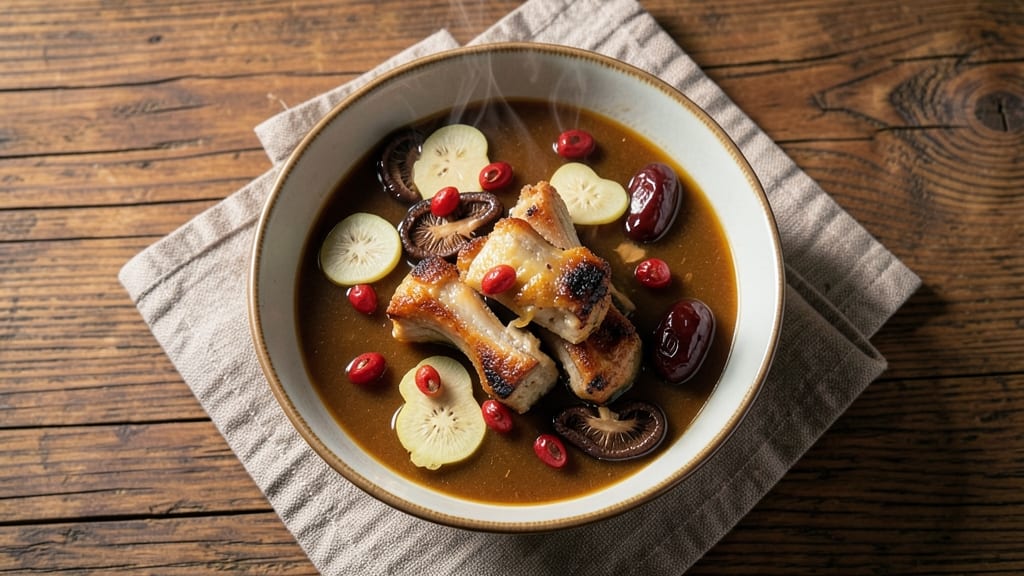
This Beijing soup recipe brings the heart of Chinese cuisine to your kitchen with its fragrant eight-treasure broth and silky noodles. The secret lies in slow-simmered pork bones and aromatic spices that create a rich, umami-packed foundation.
I developed this version after years of perfecting the balance between savory and subtle sweetness—key to authentic Beijing-style soups.
The broth starts with pork bones, ginger, and star anise, simmered until the collagen dissolves into a velvety consistency. Eight treasures—dried mushrooms, goji berries, red dates, and more—infuse the broth with layers of flavor.
Meanwhile, fresh egg noodles cook until just tender, ready to soak up every drop of that fragrant liquid.
What you’ll end up with is a steaming bowl of restaurant-quality soup, where each spoonful delivers tender noodles in a harmonious broth. The technique ensures the broth stays clear yet deeply flavorful, while the noodles maintain their delicate texture.
Perfect for chilly evenings or as a comforting meal any time of year.
Serve with crispy fried shallots on top and a side of pickled vegetables for contrast. This soup is both nourishing and elegant—ideal for family dinners or special occasions. Let’s get started on creating this classic dish at home.
Ingredients for beijing soup
Pork bones and aromatic spices create a velvety broth with eight treasures for depth.
| Ingredient | Amount | Notes |
|---|---|---|
| Pork Bones 🍖 | 2 lb | Marrow bones for richness |
| Fresh Ginger Root 🧄 | ½ cup | Peeled and sliced into coins |
| Star Anise Pods 🌿 | 4 whole | Whole pods for infusion |
| Dried Shiitake Mushrooms 🍄 | ¼ cup | Rehydrated and sliced |
| Goji Berries 🍇 | ¼ cup | Dried, rinsed and drained |
| Red Dates 🍈 | 6 whole | Pitted and halved |
| Dried Lotus Seeds 🌸 | ¼ cup | Rinsed and soaked |
| Fresh Egg Noodles 🍜 | 1 lb | Fresh or high-quality dried |
| Green Onions 🧅 | ¼ cup | White and green parts separated |
| Sesame Oil 🫒 | 1 tbsp | Toasted for aroma |
| Light Soy Sauce 🥄 | 2 tbsp | For umami depth |
| Rock Sugar 🍬 | 1 tbsp | For subtle sweetness |
| Crispy Fried Shallots 🧅 | 2 tbsp | For garnish |
| Pickled Vegetables 🥬 | 1 cup | For serving |
The pork bones are the backbone of this soup—marrow bones add richness while the collagen dissolves into a silky texture. Look for bones with good marrow at Asian markets or your local butcher; they often have them pre-cut for soup-making. Fresh ginger should be firm and aromatic—no soft spots or sprouting. Star anise pods should be whole and plump, not cracked or brittle. The eight treasures—shiitake mushrooms, goji berries, red dates, and lotus seeds—can be found in the dried goods section of Asian grocery stores or online if you're short on time. I always buy extra goji berries—they're worth the investment for that subtle sweetness.
No fresh ginger? Powdered works at half the amount, but it lacks the same depth of flavor. Running out of star anise? Cinnamon sticks or fennel seeds add a different but complementary aroma. The dried mushrooms and lotus seeds need to be rehydrated—soak them in hot water for 20 minutes before adding to the broth. Fresh egg noodles are ideal, but high-quality dried noodles work too if you can't find fresh. For the pickled vegetables, store-bought works fine—just make sure they're tangy and crunchy. The crispy fried shallots? Trader Joe's sells them pre-made, or you can quickly fry them yourself in a pan with a bit of oil.
This soup tastes even better the next day as the flavors meld together. Store the broth in an airtight container in the fridge for up to 5 days, or freeze it for 3 months. The noodles are best eaten fresh, but you can cook them ahead and reheat in the broth. I always make a double batch—one for dinner and one for lunch the next day. The pickled vegetables and fried shallots keep well in the fridge for 1 week, so you can prep those ahead too. Garnish with extra green onions and a drizzle of sesame oil right before serving for that restaurant-quality touch.
Why You'll Love This Recipe
- One-Pot Magic: I swear by this—just toss in pork bones, a knob of ginger, and those star anise pods, then walk away. The broth builds itself while you handle the rest of dinner. No messy pots, no stress.
- Umami Bomb: That combo of shiitake mushrooms and goji berries? It’s like a flavor explosion in your mouth. The mushrooms add deep, earthy richness, while the berries bring a subtle sweetness that makes every sip irresistible.
- Weeknight Workhorse: Make a big batch on Sunday and eat it all week. The leftovers taste even better the next day—trust me, I’ve tested this. Perfect for busy nights when you don’t want to slave over a stove.
- Budget-Friendly Gold: Pork bones and dried mushrooms stretch this soup into a meal that feeds four for less than takeout. Plus, the longer it simmers, the more flavor you unlock—so it’s basically free money in a bowl.
Step-by-step instructions for fragrant eight-treasure broth
This is where the magic happens—layering flavors to create a velvety broth that cradles every ingredient.
Prepare the Pork Bones for Maximum Flavor
First, rinse the 2 lb pork bones under cold water to remove any surface impurities, then pat them completely dry with paper towels. This step is crucial—any moisture will prevent proper browning and flavor extraction later. Place the bones in a large pot and cover them with cold water by about 2 inches. Bring to a boil over medium-high heat, then immediately reduce to a simmer and cook for 15-20 minutes.
While simmering, skim off any foam or scum that rises to the surface using a fine-mesh skimmer. This ensures your broth stays crystal clear. Once the water returns to a gentle simmer and the bones are clean, drain and rinse them again under cold water. This initial blanching removes impurities that would otherwise make your broth cloudy and bitter.
Build the Aromatic Base with Ginger and Spices
In the same pot, add the peeled and sliced 0.5 cup fresh ginger root along with the 4 whole star anise pods. Pour in enough cold water to cover the bones by about 1 inch, then bring to a boil over medium-high heat. Once boiling, reduce heat to low-medium and let it simmer uncovered for 20 minutes.
This gentle simmer allows the ginger to soften and the star anise to infuse its warm, licorice-like aroma into the broth. The ginger will break down and release its pungent, slightly spicy notes, while the star anise adds depth without overpowering. After 20 minutes, remove the ginger slices—they've done their job—but leave the star anise pods in the broth for now.
Simmer the Broth with Dried Ingredients
Add the rehydrated and sliced 0.25 cup dried shiitake mushrooms, the rinsed and drained 0.25 cup goji berries, the pitted and halved 6 whole red dates, and the rinsed and soaked 0.25 cup dried lotus seeds to the pot. Bring the broth back to a gentle simmer over low heat and let it cook uncovered for 1 hour.
During this time, the shiitake mushrooms will release their earthy umami, the goji berries will burst with subtle sweetness, the red dates will add a caramelized depth, and the lotus seeds will soften into delicate, chewy bites. Stir occasionally to prevent the ingredients from sticking to the bottom. The broth should develop a rich, fragrant aroma—this is your cue that everything is working perfectly.
Season and Finish the Broth
Once the broth has simmered for 1 hour, strain it through a fine-mesh sieve into a clean pot, pressing gently on the solids to extract every last drop of flavor. Discard the solids, then return the strained broth to the pot. Add the 2 tbsp light soy sauce, 1 tbsp rock sugar, and bring the broth back to a gentle simmer over low heat.
Let the broth simmer uncovered for an additional 30 minutes to allow the soy sauce to mellow and the sugar to dissolve completely. The broth should now have a deep, golden hue and a complex balance of sweet, savory, and umami flavors. Taste and adjust seasoning if needed—you might want to add a touch more soy sauce or sugar to suit your preference. Keep the broth warm over low heat while you prepare the noodles.
Assemble and Serve the Eight-Treasure Soup
Bring a separate pot of water to a boil and cook the 1 lb fresh egg noodles according to the package instructions until al dente. Drain and rinse briefly under cold water to stop the cooking process. Divide the cooked noodles among four deep bowls.
Ladle the warm broth over the noodles, then garnish each serving with 1 tbsp toasted sesame oil, 0.5 tbsp crispy fried shallots, and 2 tbsp of the separated white parts of the 0.25 cup green onions. Top with the remaining green parts of the green onions and serve immediately with 0.25 cup pickled vegetables on the side for a tangy contrast. The result is a harmonious blend of textures and flavors—silky noodles, velvety broth, and crispy garnishes in every bite.
Pro Tips For Making Beijing Soup
- Char Bones First: I learned this the hard way—skipping the char makes the broth pale. Get your pork bones smoking hot in a dry pot for 10-15 minutes before adding water. The blackened crust releases deeper flavor when it hits the liquid. (Yes, even if you’re impatient like me.)
- Soak Shiitake Right: Dried shiitake mushrooms need a proper soak—20 minutes in hot water, not just a quick rinse. Use the soaking liquid later for broth, but strain out the grit. Fresh shiitake? Slice thick and add them later to avoid mush.
- Don’t Overcrowd Ginger: Thinly sliced ginger burns fast. Layer it in the pot after the bones have rendered fat, and add water just to cover it. Too much at once? It’ll turn bitter before the broth even simmers. (Your future self will thank you.)
- Toast Star Anise: Whole star anise pods taste better when lightly toasted—just 30 seconds in a dry pot until fragrant. This unlocks their aroma without burning. Crush one pod at the end for extra depth, but leave the rest whole for easy straining.
Flavor customization for these flavors
Sweet and Tangy
For a tan tang twist, add 1 tbsp of preserved plum paste (like Lao Gan Ma) to the broth while simmering. This balances the savory notes with a sweet-tart depth that’s classic in Beijing-style soups.
I also like adding ½ cup of preserved mustard greens for a bright, tangy contrast. Serve with extra pickled ginger on the side for that extra zing. 🌶️
Spicy Chili Oil
Transform this soup into a spicy feast by swirling 1 tbsp of chili oil into each bowl right before serving. Use Sichuan chili oil for a fiery, nutty kick or a milder version with 1 tsp of gochujang mixed into the broth.
For extra heat, add 1-2 slices of fresh chili while simmering. Garnish with chopped cilantro to cool the burn. ⚡
Vegetarian Adaptation
Skip the pork bones and use 2 lbs of shiitake mushrooms and 1 lb of kombu seaweed to build umami in the broth. Add 1 tbsp of soy sauce and 1 tsp of mushroom powder for depth.
For protein, toss in 1 lb of tofu (pressed and cubed) or 1 lb of king oyster mushrooms during the last 10 minutes of simmering. The eight treasures still shine, but now it’s fully plant-based. 🌱
Herbal Infusion
Swap the star anise for 1 tbsp of dried wolfberries and 1 tsp of fennel seeds for a lighter, herbal profile. Add a handful of fresh coriander stems while simmering for a citrusy note.
This version feels spring-like and pairs beautifully with steamed dumplings on the side. Perfect for a lighter lunch or when you want to highlight the eight treasures without heavy spices. 🌿
Creamy Sesame Twist
For a richer texture, stir in 2 tbsp of sesame paste (like Kadoya) during the final 30 minutes of simmering. The nutty, creamy flavor complements the eight treasures beautifully.
Top each bowl with toasted sesame seeds and a drizzle of extra sesame oil for a luxurious finish. This version feels indulgent but still light enough for a weeknight dinner. 🥄
Nutrition facts
Frequently asked questions
What makes this Beijing soup different from regular Chinese soups?
This recipe features a fragrant eight-treasure broth with a balance of sweet, savory, and umami flavors—classic in Beijing cuisine. The key difference is the combination of pork bones for richness, star anise and ginger for depth, and the "eight treasures" (shiitake, goji berries, red dates, lotus seeds) that create a complex, layered taste. Traditional Beijing soups often emphasize clear broths with delicate ingredients.
Can I substitute fresh ginger with powdered ginger?
Yes, but use only half the amount (about ¼ cup powdered for ½ cup fresh). Fresh ginger adds a more vibrant, aromatic punch that powder can't replicate. For best results, toast the powdered ginger lightly in a dry pan for 1 minute to enhance its flavor before adding to the broth.
How do I prevent the broth from becoming cloudy?
Skimming off foam during the initial 15-20 minute simmer is critical—use a fine-mesh skimmer to remove impurities. Also, don't overcook the broth; simmer gently at low heat to avoid stirring up sediment. Straining through a cheesecloth-lined sieve after simmering helps too. The broth should remain crystal clear when finished.
What if I can't find all eight treasures?
No problem! Start with the shiitake mushrooms and goji berries—they're the most impactful. For the rest, use dried apricots (instead of red dates) or dried tangerine peel (instead of lotus seeds). The broth will still be delicious, just with a slightly different flavor profile. Focus on balancing sweet (dates/apricots) and umami (mushrooms) elements.
Can I make this soup ahead of time?
The broth tastes even better the next day as flavors meld. Store it in an airtight container in the fridge for up to 5 days or freeze for 3 months. Reheat gently on low heat—never microwave directly from frozen. Cook noodles fresh before serving to maintain their texture, or reheat them in the broth for 1-2 minutes to warm through.