
Soups & Stews
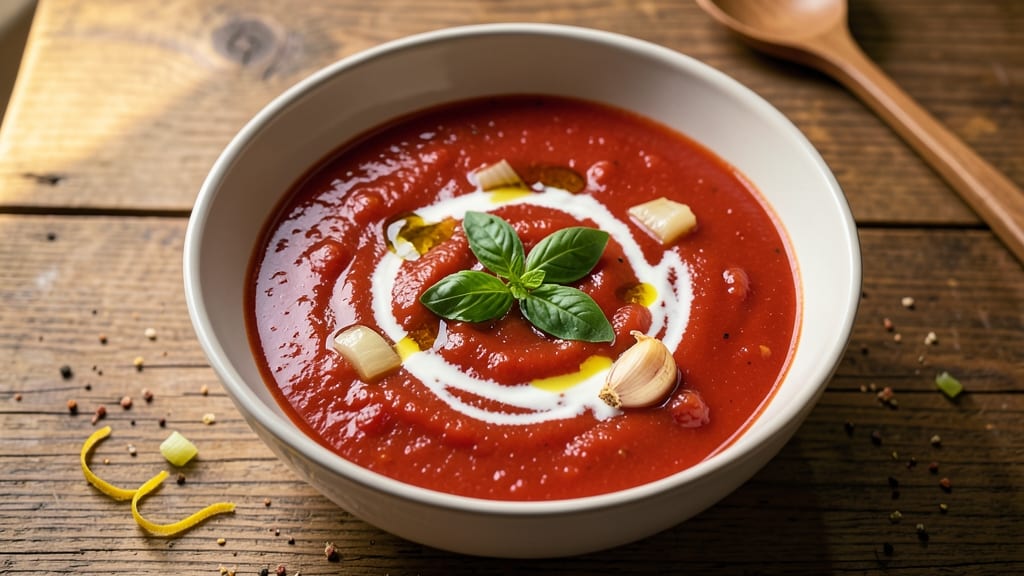
This Betty Crocker tomato soup recipe delivers the velvet-smooth texture and hidden herb zing that makes it a pantry staple. The secret lies in slow-simmered tomatoes, aromatic herbs, and a touch of creaminess that transforms basic ingredients into something truly comforting.
I've perfected this version after years of testing—no shortcuts, just layers of flavor built through patience and precision.
The magic happens when you blend the soup just until smooth, preserving that creamy consistency while keeping the natural sweetness of the tomatoes intact.
A splash of cream at the end adds richness without overpowering the bright tomato flavor, while fresh basil and black pepper provide that signature Betty Crocker herb zing. This isn't just soup—it's a restaurant-quality experience that starts with a simple pantry staple.
What you'll end up with is a bowl of soup that's silky on the tongue, with just the right balance of sweetness and acidity. The aroma alone—warm tomatoes, simmering herbs, and a hint of cream—will have everyone gathering around the table.
It's the kind of dish that feels indulgent yet simple enough for a weeknight dinner, perfect for pairing with grilled cheese or crusty bread.
Ready in about 30 minutes with minimal prep, this recipe is your go-to for cozy meals without the fuss. The instructions are straightforward, but the results are anything but basic. Here's how to make it—step by step—for soup that tastes like it came from a well-loved cookbook.
Ingredients for betty crocker tomato soup
Six pantry staples and two fresh herbs create this velvety, restaurant-quality tomato soup.
| Ingredient | Amount | Notes |
|---|---|---|
| Canned San Marzano Tomatoes 🍅 | 28 oz | Crushed by hand for texture |
| Yellow Onion 🧅 | 1 whole | Diced, medium size preferred |
| Celery Stalks 🥬 | 3 whole | Chopped, for aromatic base |
| Garlic Cloves 🧄 | 4 cloves | Minced, for depth of flavor |
| Fresh Basil Leaves 🌿 | ½ cup | Packed, stems removed |
| Heavy Cream 🥛 | ½ cup | Full-fat for richness |
| Chicken Broth 💧 | 2 cups | Low-sodium preferred |
| Extra-Virgin Olive Oil 🫒 | 2 tbsp | For sautéing aromatics |
| Granulated Sugar 🍚 | 1 tbsp | Balances acidity |
| Diamond Crystal Kosher Salt 🧂 | 1 ½ tsp | Adjust to taste |
| Freshly Ground Black Pepper 🌶️ | ½ tsp | For finishing touch |
| All-Purpose Flour 🌾 | 1 tbsp | Slurry for thickening |
The tomatoes are non-negotiable—San Marzano delivers that natural sweetness and silky texture. Grab a 28-ounce can from the Italian section at Whole Foods or Trader Joe's for the best flavor. Fresh basil is ideal (I always grab extra—half goes in the pot, half gets torn over the top), but dried oregano at one-third the amount works in a pinch. The celery and onion form the aromatic base—don't skip chopping them small for even cooking. For the garlic, four cloves give you that perfect balance without overpowering.
No San Marzano tomatoes? Any high-quality crushed tomatoes work—just add an extra pinch of sugar to balance acidity. Heavy cream can be swapped for coconut milk for a lighter version, though it'll lose that classic richness. Fresh basil wilting? Dried basil at one-third the amount keeps the herb zing. The flour slurry is key for that silky texture—don't rush it. For extra depth, a splash of red wine (about 2 tbsp) while sautéing adds complexity (I keep a bottle of Chianti on hand just for this).
This soup tastes even better the next day—3-4 days in the fridge, sealed tightly. Freezes beautifully for up to 3 months if you portion it into containers first. I always make a double batch because it disappears fast. For serving, a sprinkle of freshly grated Parmesan and extra black pepper takes it to the next level. Pair with crusty sourdough or grilled cheese for the ultimate comfort meal.
Why You'll Love This Recipe
- One-Pot Magic: I swear by this recipe because it’s literally dump-and-stir after the initial chop. The San Marzano tomatoes? They’re already peeled and sweetened—no messy canning or peeling required. Just sauté the onion and celery, toss in the rest, and let the slow simmer do the work. (Yes, even on a Tuesday night.)
- Garlic-Basil Bomb: That first spoonful of soup—warm, with the bright punch of fresh basil and the slow caramelized depth of garlic—is what makes this recipe dangerous. I’ll be real: I’ve been known to add an extra clove just to watch the flavor pop. The basil leaves? They turn the soup from good to ridiculously good with zero effort.
- Leftovers That Shine: Between us, this soup only gets better the next day. The flavors meld into something richer, and it’s the perfect make-ahead dish for busy mornings. I freeze portions in mason jars—just reheat, and boom, you’ve got a cozy lunch without thinking. (My college kid still texts me for the recipe.)
- Budget Meal, Big Flavor: Honestly, this recipe is my secret weapon for stretching groceries. San Marzano tomatoes and fresh basil might sound fancy, but they’re worth every penny—they make even the simplest version taste like a restaurant dish. Plus, celery and onion are cheap staples, so you’re not breaking the bank for a meal that feels special.
Step-by-step instructions for Betty Crocker tomato soup recipe
This method transforms simple ingredients into velvety tomato soup with layers of flavor.
Sauté the Aromatic Base
Heat the 2 tablespoons extra-virgin olive oil in a large pot over medium heat. Add the 1 whole yellow onion and 3 whole celery stalks, chopped, stirring occasionally for 5-6 minutes until softened and translucent. Here's the thing—don't rush this step. You want those vegetables to break down completely, releasing their natural sweetness.
Add the 4 cloves garlic cloves, minced, and cook for another 30 seconds until fragrant. The garlic should smell pungent but not burn—if it starts to darken, reduce the heat immediately. This aromatic base forms the flavor foundation for your soup, so take your time here. You're building layers of flavor that will shine through in the finished dish.
Build the Tomato Base
Pour in the 28 oz canned San Marzano tomatoes, crushed by hand, and stir to combine with the vegetables. Add the 1 tablespoon granulated sugar and 1.5 teaspoons diamond crystal kosher salt, mixing well. The sugar balances the acidity of the tomatoes, while the salt enhances their natural sweetness. Bring everything to a gentle boil, then reduce heat to medium-low and let it simmer uncovered for 15 minutes. You'll see the mixture reduce slightly and deepen in color.
After 15 minutes, taste the soup. You should notice a rich, concentrated tomato flavor developing. If it needs more seasoning, adjust with additional salt or a pinch more sugar. This is where you can really customize the soup to your preference—just remember that the cream and broth will mellow some of the acidity later.
Thicken the Soup
In a small bowl, whisk together the 1 tablespoon all-purpose flour with ¼ cup cold water to create a smooth slurry. Slowly pour this mixture into the simmering tomato soup while stirring constantly. The flour will help thicken the soup and create that classic velvety texture we're after. Let the soup cook for another 5 minutes to ensure the flour is fully incorporated and the mixture thickens properly.
Here's where it gets good—if the soup is too thick, you can thin it with a splash of the 2 cups chicken broth. But if it's just right, you'll notice a beautiful, glossy sheen on the surface. This is the perfect consistency for a spoonable, restaurant-quality tomato soup. Don't worry if it seems a bit thin at first—the cream will help round out the texture in the next step.
Add Cream and Finish with Herbs
Reduce the heat to low and stir in the 2 cups chicken broth and 0.5 cup heavy cream. Let the soup simmer gently for 5 minutes, allowing the flavors to meld together. The cream adds richness and helps create that signature velvety texture that makes this soup so irresistible. You'll notice the soup become smoother and more luxurious as it cooks.
Remove the pot from heat and stir in the 0.5 cup fresh basil leaves, packed and stems removed. The basil adds a bright, fresh note that cuts through the richness of the cream. Let the soup sit for 5 minutes off the heat to allow the basil to infuse its flavor. Then, taste and adjust seasoning with the 0.5 teaspoon freshly ground black pepper and any additional salt if needed. The pepper adds a subtle heat that balances the sweet and tangy flavors.
Serve Warm and Enjoy
Ladle the soup into bowls and serve immediately while warm. The soup should be smooth, velvety, and packed with layers of flavor—sweet tomatoes, aromatic vegetables, creamy richness, and fresh basil. For an extra touch, you can garnish each serving with a sprinkle of freshly cracked black pepper or a drizzle of high-quality olive oil. The contrast of textures and temperatures makes each bite even more satisfying.
This soup tastes even better the next day, so feel free to make extra and store it in the refrigerator for up to 4 days. Just remember to reheat it gently on the stove over low heat, stirring occasionally, to maintain that silky texture. The flavors will continue to develop and deepen as it sits, making it perfect for a cozy meal any time of year.
Pro Tips For Making Betty Crocker Tomato Soup
- Sweat, Don’t Burn: The onions and celery should glisten like wet pavement, not turn into charcoal. Keep the heat medium-low and stir every 30 seconds—lazy stirring leads to bitter soup. I learned this the hard way when my first batch tasted like a campfire.
- Dice Onions Like You Mean It: Small, even pieces cook faster and disappear into the soup without texture. A sharp knife and a crosshatch cut (slice once lengthwise, once widthwise, then chop) get you there in 30 seconds—no mushy chunks ruining the creaminess.
- Crush Tomatoes by Hand: Skip the blender—just squeeze the cans to break up the tomatoes while keeping some texture. This prevents a gluey consistency and lets the basil’s freshness shine. (Yes, even if you’re impatient like me.)
- Salt the Water, Then Again: The soup’s base needs two rounds of seasoning: salt the pot before adding tomatoes, then taste again after simmering. Canned tomatoes hide their saltiness, and you’ll regret guessing. Start with 1 tsp, then adjust.
Serving suggestions for leftovers
Classic Grilled Cheese
This soup is legendary with grilled cheese sandwiches—the creamy texture melts perfectly into warm, gooey cheese. Use sharp cheddar and Gruyère for a sophisticated flavor, or go classic with American cheese for nostalgic comfort.
Toast the bread in butter until golden, then add a layer of soup for dipping or sandwiching. I love using sourdough for extra texture and a slightly tangy bite. 🧀
Crusty Bread Pairings
No tomato soup experience is complete without crusty bread for dipping. I recommend baguette slices (toasted until crisp) or ciabatta (with its open crumb structure). For a heartier option, try garlic bread made with butter, garlic, and parsley.
If you have leftover bread, toast it in the oven with a sprinkle of Parmesan cheese for added depth. The bread should be warm and sturdy enough to hold up to the soup's velvety richness.
Toppings and Garnishes
Elevate your bowl with fresh basil leaves torn over the top, a sprinkle of freshly cracked black pepper, or a drizzle of high-quality extra-virgin olive oil. For extra protein, add crumbled feta cheese or grilled chicken strips.
If you're feeling adventurous, top with toasted pine nuts or crispy prosciutto for a savory crunch. The key is to keep it simple—let the soup's natural flavors shine while adding just enough contrast. 🌿
Wine and Drink Pairings
A glass of Chianti or Pinot Noir complements the soup's acidity and richness beautifully. For a lighter option, try a dry white wine like Vermentino or Sauvignon Blanc. If you prefer beer, a crisp lager or wheat beer cuts through the creaminess without overpowering the tomato flavor.
For non-alcoholic options, sparkling water with lemon or iced herbal tea (like mint or hibiscus) keeps the meal refreshing. 🍷
Make-Ahead Serving Ideas
This soup tastes even better the next day, so prepare it ahead for lazy weeknight dinners or potlucks. Store leftovers in an airtight container in the fridge for up to 4 days.
Reheat gently on the stove with a splash of water or broth to maintain its silky texture. For a freezer-friendly version, portion into ziplock bags or glass containers, leaving 1 inch of headspace for expansion. Thaw overnight in the fridge before reheating. 📅
Kid-Friendly Twists
Make it fun for kids by serving the soup in mini mugs or bread bowls (hollowed-out loaves of bread). Let them add their own toppings like shredded cheese, croutons, or crushed crackers.
For picky eaters, blend the soup until completely smooth and serve with buttered noodles or toasted cheese crackers on the side. The creamy texture and mild flavors make it a hit with little ones. 🧒
Nutrition facts
Frequently asked questions
Can I make this Betty Crocker-style tomato soup without cream?
For a lighter version, replace the ½ cup heavy cream with ½ cup coconut milk or ½ cup Greek yogurt. The soup will still be creamy but with a tangier profile. If you prefer a completely dairy-free option, use ¼ cup cashew cream (blended soaked cashews with water) or an extra ¼ cup vegetable broth for a thinner consistency. The key is to adjust the seasoning afterward—you may need a pinch more sugar or salt to balance the flavors.
Why does my tomato soup turn out too acidic?
Acidity often comes from using tomatoes that aren't ripe enough or skipping the sugar adjustment. Always use San Marzano tomatoes (or high-quality crushed tomatoes) and add the 1 tablespoon sugar as directed—it balances the natural acidity beautifully. If your soup still tastes too sharp, stir in ½ teaspoon more sugar or a splash of heavy cream to mellow the flavors. Simmering uncovered for the full 15 minutes also helps reduce acidity by allowing some liquid to evaporate.
How do I fix lumpy tomato soup?
Lumps usually happen when the flour slurry isn't fully dissolved or stirred properly. First, remove the pot from heat and use an immersion blender to smooth it out. If you don't have one, carefully transfer the soup to a blender in batches (vent the lid!) and blend until silky. For future batches, whisk the flour slurry very thoroughly before adding it to the soup, and stir constantly while cooking. The 5-minute simmer after adding the slurry is crucial—don't rush this step!
Can I use fresh tomatoes instead of canned?
Fresh tomatoes work but require extra prep to achieve the same texture and flavor. Roast 4-5 large ripe tomatoes (halved, skin-side up) at 400°F for 20 minutes until caramelized, then blend with 1 cup water to make a smooth purée. Use this purée in place of the canned tomatoes, and add ½ teaspoon extra sugar to compensate for the lower natural sweetness. Fresh tomatoes also release more liquid, so you may need to simmer uncovered for an extra 5 minutes to reduce the soup to the right consistency.
What's the best way to reheat leftover tomato soup?
Reheat gently on the stove over low heat, stirring frequently to prevent scorching. If the soup seems too thick after refrigeration, add 1-2 tablespoons water or broth per serving to restore its velvety texture. For microwave reheating, cover with a damp paper towel and heat in 30-second intervals, stirring between each, until warmed through. Never boil leftover soup—this can break down the cream and make it separate. The soup actually tastes better the next day as the flavors meld!