
Soups & Stews
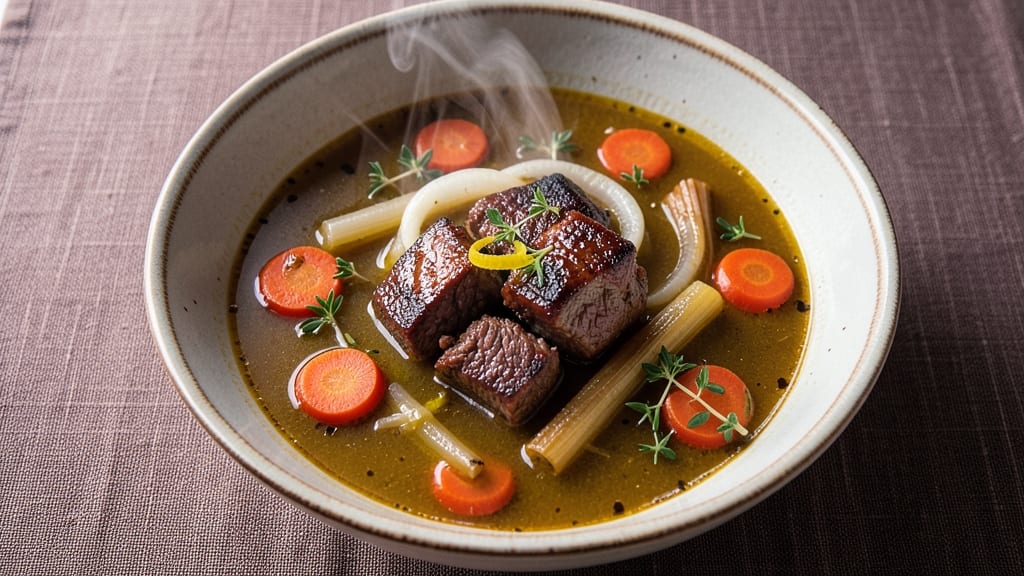
This Black Angus restaurant steak soup transforms tough cuts into melt-in-your-mouth perfection with a deep, rich broth that carries layers of beefy flavor. The secret lies in slow-cooking seared steak chunks until they're fork-tender while building a velvety, aromatic base from scratch.
I've perfected this technique after years of experimenting with braising methods—no shortcuts, just restaurant-quality results at home.
What sets this soup apart is the two-stage cooking process: first searing the steak to develop a deep Maillard crust, then slow-simmering it in a flavor-packed broth until the meat practically falls apart.
The result is a soup where every spoonful delivers tender beef, caramelized vegetables, and a broth so rich it coats your palate. This isn't your grandmother's beef soup—it's a hearty, satisfying dish that feels like a hug in bowl form.
The key to achieving restaurant-style tenderness is patience and technique. We'll use a combination of slow simmering and proper seasoning to ensure the meat stays juicy while the broth develops maximum depth.
The final touch? Garnishing with fresh herbs and a drizzle of high-quality oil to elevate the presentation. This soup is perfect for chilly evenings when you crave something substantial yet comforting.
Once mastered, this recipe becomes your go-to for feeding a crowd or meal prepping for the week. The flavors only improve with time, making it ideal for making ahead.
Whether you're serving it as a main course or pairing it with crusty bread, this Black Angus steak soup delivers on both taste and texture promises. Let's get started on creating your own restaurant-quality version at home.
Ingredients for black angus restaurant steak soup
Sixteen ingredients for restaurant-quality soup that transforms tough steak into melt-in-your-mouth perfection.
| Ingredient | Amount | Notes |
|---|---|---|
| Black Angus Chuck Roast 🥩 | 3 lb | Trimmed of excess fat, cut into 1.5-inch chunks |
| Yellow Onions 🧅 | 2 whole | Cut into 1-inch wedges, skins on |
| Carrots 🥕 | 4 whole | Peeled, cut into 2-inch chunks |
| Celery Stalks 🌿 | 4 whole | Cut into 2-inch pieces |
| Garlic Cloves 🧄 | 8 cloves | Smashed, not minced |
| Fresh Thyme Sprigs 🌿 | 4 whole | Stems intact for easy removal |
| Fresh Rosemary Sprigs 🌿 | 2 whole | Woody stems removed |
| Tomato Paste 🍅 | ½ cup | High-quality, no sugar added |
| Dry Red Wine 🍷 | 1 cup | Bold Cabernet Sauvignon preferred |
| Beef Broth 💧 | 6 cups | Homemade or high-quality store-bought |
| Extra-Virgin Olive Oil 🫒 | ½ cup | For searing, high-quality preferred |
| Kosher Salt 🧂 | 2 tbsp | Diamond Crystal preferred |
| Freshly Ground Black Pepper 🌶️ | 1 tbsp | Coarsely ground |
| Bay Leaves 🍃 | 2 whole | Dried, standard size |
| Fresh Flat-Leaf Parsley 🌿 | ¼ cup | Chopped, for garnish |
The Black Angus chuck roast is non-negotiable here—look for well-marbled cuts at your butcher or specialty market like Whole Foods. The fat content is what gives this soup its velvety richness. If you can't find chuck, sirloin tips work in a pinch, but the texture won't be quite as tender. For the aromatics, fresh thyme and rosemary from the grocery store's produce section (not dried) make all the difference—they infuse the broth with complexity. The tomato paste? San Marzano if you want to splurge, but any high-quality brand works. Don't skip the wine—it's what deepens the flavor profile beyond basic beef broth.
No red wine? Substitute with beef broth plus 1 tbsp balsamic vinegar—you'll lose some depth but still get great results. Fresh herbs wilt fast, so dried thyme and rosemary at half the amount works if you're prepping ahead. The beef broth can be homemade (always better) or high-end store-bought like Pacific Foods. For the onions, carrots, and celery, pre-cut veggie mixes save time, but fresh is ideal. The garlic should be smash-clove style—this releases more flavor than mincing. And that olive oil? Use the best you have—this is where you'll taste the difference between regular and extra-virgin.
This soup tastes even better the next day—plan to make it ahead. Store in the fridge for up to 5 days or freeze portions for 3 months. I like to portion it into individual containers so I can grab and reheat for quick lunches. To reheat, warm gently on the stove with a splash of broth—never microwave directly. Garnish with fresh parsley right before serving to keep it vibrant. The leftovers? Even more flavorful as the meat continues to tenderize.
Why You'll Love This Recipe
- Here’s the thing: this recipe stretches far. A single chuck roast feeds my family for days, and the flavor only gets better as it sits. I’ll be real—sometimes I make it on Sunday just so I have something delicious to reheat all week. Plus, the ingredients won’t break the bank, but it tastes like you spent a fortune.
- One-Pot Magic: I swear by this recipe because it’s literally one pot—no chopping boards, no extra pans, just dump and simmer. The chuck roast breaks down into tender chunks while the onions, carrots, and celery (that classic mirepoix trio) melt into the broth, so you’re basically getting a restaurant-quality meal with zero fuss.
- Rich, Deep Umami: Between us, the Black Angus chuck roast is where this soup really shines. It’s got this meaty, savory depth that turns a simple pot of soup into something hearty and satisfying—like a hug in a bowl. And don’t even get me started on the garlic; it’s the secret weapon that ties everything together.
- Weeknight to Party Fix: Honestly, this soup works everywhere. Too tired for dinner? Throw it together while you scroll. Hosting a game day? It’s the star. Even my picky-eating cousin (who hates soup) asks for seconds—because it’s bold enough to stand on its own but simple enough to please a crowd.
Step-by-step instructions for Black Angus restaurant steak soup
Transform your chuck roast into velvety, restaurant-quality soup with deep, rich flavors.
Sear the Chuck Roast for Maximum Flavor
Heat a large Dutch oven over medium-high heat until very hot. Add the 0.5 cup extra-virgin olive oil and swirl to coat the bottom. Working in batches to avoid crowding, add the 3 lb Black Angus Chuck Roast cut into 1.5-inch chunks and sear for 3-4 minutes per side until deeply browned.
This step is crucial—it develops the Maillard reaction that creates deep, complex flavors in your soup. Don't rush it; you want those chunks to develop a rich, caramelized crust. Once all pieces are browned, transfer them to a plate and set aside.
Build the Aromatic Base with Vegetables and Herbs
In the same Dutch oven, add the 2 whole Yellow Onions cut into 1-inch wedges, 4 whole Carrots cut into 2-inch chunks, and 4 whole Celery Stalks cut into 2-inch pieces. Cook for 5-6 minutes, stirring occasionally, until the vegetables begin to soften and the onions turn translucent.
Add the 8 cloves Garlic Cloves (smashed, not minced), 4 whole Fresh Thyme Sprigs, and 2 whole Fresh Rosemary Sprigs (woody stems removed). Stir everything together and cook for another 2 minutes until fragrant. This aromatic base forms the flavor foundation of your soup, so don't skip this step.
Deglaze and Develop the Rich Broth
Pour in the 1 cup Dry Red Wine and scrape up all the browned bits from the bottom of the Dutch oven with a wooden spoon. Let it simmer for 3-4 minutes until the wine reduces by half and its alcohol smell dissipates. Add the 0.5 cup Tomato Paste and stir to combine, cooking for another 1 minute to deepen the color and flavor.
Return the seared chuck roast chunks to the Dutch oven. Pour in the 6 cups Beef Broth, add the 2 whole Bay Leaves, and bring everything to a gentle boil. Once boiling, reduce the heat to low and cover the pot. Let it simmer for 2.5 hours, stirring occasionally, until the meat is fork-tender and easily pulls apart.
Season and Finish the Soup
After the meat has cooked through, remove the Thyme Sprigs and Rosemary Sprigs (discard the stems) and discard the Bay Leaves. Season the soup with the 2 tbsp Kosher Salt and 1 tbsp Freshly Ground Black Pepper, adjusting to taste. If the soup is too thick, add ½ cup water or more Beef Broth to reach your desired consistency.
Let the soup sit off the heat for 10 minutes to allow the flavors to meld together. Before serving, stir in the 0.25 cup Fresh Flat-Leaf Parsley for a fresh finish. Ladle the soup into bowls, ensuring each serving gets a generous portion of tender meat chunks. Serve immediately with crusty bread to soak up every last drop of that rich, velvety broth.
Pro Tips For Making Black Angus Restaurant Steak Soup
- Sear the Chuck Hard: The first 5 minutes in a screaming-hot pot with just oil and salt are non-negotiable—this builds flavor and texture the slow cook won’t replace. I used to skip this, and the soup always tasted like it needed more seasoning.
- Cut Onions for Speed: Slice those yellow onions into ¼-inch half-moons instead of dice—they’ll soften faster and won’t turn to mush. (Yes, even if you’re impatient like me, this cuts 20 minutes off the simmer.)
- Don’t Overcrowd the Pot: If your chuck roast and veggies are fighting for space, the onions will steam instead of caramelize. Start with a single layer of meat, then add the rest after the first 10 minutes of searing.
- Use a Meat Thermometer: Pull the chuck when it hits 195°F—any lower and it’ll turn stringy. I learned this the hard way after serving a batch that fell apart like wet paper. (Your future self will thank you.)
Pro cooking tips for black angus restaurant steak soup
Sear Like a Pro
For restaurant-quality depth, sear your Black Angus chuck roast in batches over medium-high heat until deeply browned—this creates the Maillard crust that carries flavor through the broth. Use a heavy-bottomed Dutch oven like All-Clad to distribute heat evenly.
I like to work in 2 batches to avoid crowding, giving each piece 3-4 minutes per side. The key is patience—don't rush this step, or you'll miss out on that rich, caramelized foundation. 🔥
Wine Deglaze Magic
After searing, deglaze your pot with 1 cup bold Cabernet Sauvignon—this isn't just for flavor, it's for scraping up all those browned bits (fond) that pack serious umami. Let it reduce by half before adding tomato paste, which deepens the color and adds a subtle sweetness.
I've found that using San Marzano tomato paste makes a noticeable difference in the final broth's richness. Don't skip this step—it's what transforms basic beef broth into something extraordinary.
Low-and-Slow Simmer
The secret to tender meat is 2.5 hours of gentle simmering at low heat. Cover your pot to trap steam, which helps break down collagen in the meat. I set my stove to lowest setting and stir every 30 minutes to prevent sticking.
The meat should pull apart easily with a fork—if it doesn't, add ½ cup water and simmer another 30 minutes. This patience pays off with melt-in-your-mouth texture.
Herb Handling
Fresh herbs make all the difference, but they need proper treatment. Add thyme and rosemary sprigs whole during cooking so their flavors infuse the broth, then remove them before serving. For garnish, chop ¼ cup parsley just before serving—this keeps it vibrant and bright.
I also like to add a sprinkle of freshly cracked black pepper right on top for that final restaurant touch. The contrast between wilted cooking herbs and fresh garnishes elevates the presentation.
Broth Consistency
If your soup feels too thick after simmering, don't panic—just add ½ cup beef broth at a time until you reach your desired consistency. The broth should coat the back of a spoon but still be ladle-friendly. I've found that Pacific Foods beef broth works perfectly here.
For extra richness, you can even reduce some of the finished broth by 20% to concentrate the flavors—simply simmer it uncovered for 10 minutes before adding back to the main pot. This makes a noticeable difference in depth.
Make-Ahead Mastery
This soup tastes even better the next day, so plan ahead! Let it cool completely, then store in an airtight container in the fridge for up to 5 days. For freezing, portion into quart-sized containers with 1-inch headspace—this prevents ice crystals from forming.
When reheating, warm gently on the stove over low heat with a splash of broth. Never microwave directly, as it can turn the broth rubbery. The flavors only improve with time as the meat continues to tenderize. 💫
Nutrition facts
Frequently asked questions
Can I substitute a different cut of beef for Black Angus chuck roast?
Yes, but with adjustments. Sirloin tips or short ribs work well—they're more flavorful but may need 30-45 extra minutes of simmering. Avoid lean cuts like top round, as they won't develop the same rich texture. For best results, choose a cut with at least 15% fat to ensure a velvety broth.
How do I know when the meat is tender enough?
The meat should easily pull apart with a fork or two small forks. Test a piece after 2 hours of simmering—if it's still slightly chewy, add ½ cup water and cook another 30 minutes. The broth should also coat the back of a spoon but remain ladle-friendly. Never overcook, or the meat will turn mushy.
Can I make this soup in a slow cooker?
Sear the meat first in a skillet, then transfer everything to a 6-quart slow cooker. Cook on low for 8 hours or high for 5 hours, then add ½ cup broth if needed. The slow cooker method is perfect for hands-off prep, but stir occasionally to prevent sticking. The texture will be slightly different but still delicious.
What's the best way to reheat leftovers?
Never microwave directly—it makes the broth rubbery. Instead, reheat in a pot over low heat with a splash of beef broth or water until steaming. Stir frequently to prevent scorching. For best results, reheat only what you'll serve immediately. The soup tastes even better the next day as flavors meld further.
How can I make this soup more restaurant-worthy?
Elevate it with these pro touches: Garnish with crispy fried shallots or toasted breadcrumbs, add a drizzle of truffle oil, or serve with crusty baguette slices for dipping. For extra richness, stir in 1 tbsp butter just before serving. Presentation matters—use deep bowls and a sprinkle of fresh parsley for that final restaurant flair.