
Soups & Stews
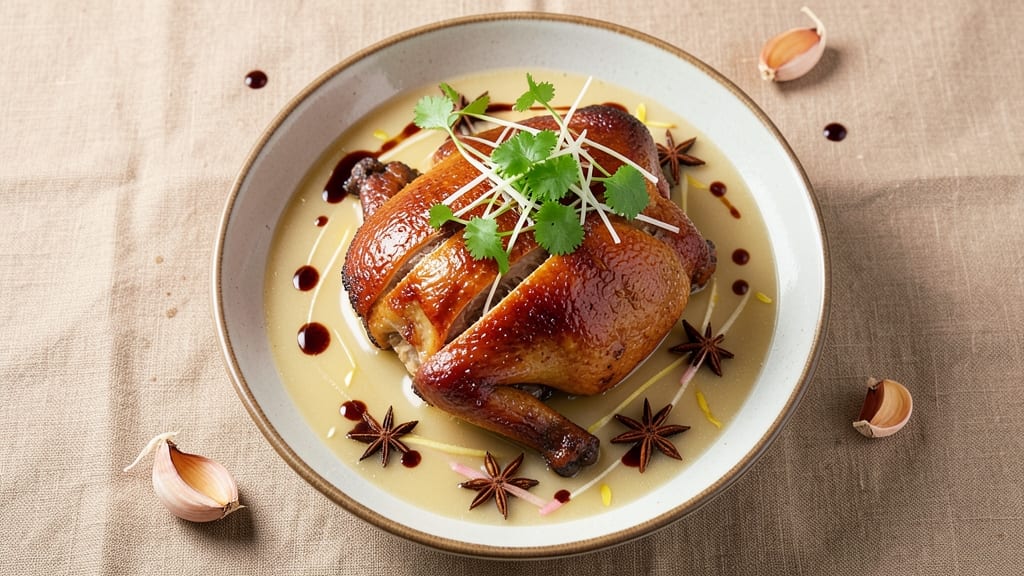
This Asian duck soup recipe transforms humble ingredients into a fragrant, warming bowl of comfort that balances silky duck shreds with star-anise-infused broth. The secret lies in rendering duck fat slowly to create a golden, aromatic base while building layers of flavor through ginger, garlic, and fermented soy.
I developed this recipe after years of perfecting the art of clarifying broth—where the fat rises to the top, leaving behind a velvety, crystal-clear liquid that's rich yet light.
The duck itself is poached just until tender, then shredded into delicate strands that absorb the broth's complex flavors. What sets this apart is the star anise infusion, which adds a subtle licorice warmth that lingers long after the first sip.
The broth simmers low and slow, allowing spices to meld without overpowering the delicate duck and fresh herbs.
By the time you serve it—steaming over rice or noodles, garnished with cilantro and lime—you'll have a soup that's both restaurant-worthy and deeply comforting. The contrast of crisp herbs against the tender duck and silky broth creates every bite.
This is the kind of dish that feels like a hug in a bowl, perfect for chilly evenings or when you crave something hearty yet refined.
Whether you're making it for a weeknight dinner or a special occasion, the technique scales beautifully. The key is patience—letting the broth work its magic while you prepare the duck and garnishes. Ready to master this dish? Let's get started with the ingredients and step-by-step instructions that follow.
Ingredients for asian duck soup
Fourteen ingredients, one aromatic bowl of comfort that starts with duck fat and ends with star anise-infused silk.
| Ingredient | Amount | Notes |
|---|---|---|
| Whole Duck 🦆 | 3 lb | Bone-in, skin-on preferred |
| Star Anise 🌿 | 2 whole | For licorice aroma |
| Fresh Ginger 🧄 | ½ cup | Julienned, skin removed |
| Garlic Cloves 🧄 | 6 cloves | Smashed, not minced |
| Light Soy Sauce 🥢 | ¼ cup | For umami depth |
| Dark Soy Sauce 🥢 | 1 tbsp | For color contrast |
| Sesame Oil 🫒 | 1 tbsp | Toasted, not flavored |
| Cinnamon Sticks 🌿 | 2 whole | For warmth |
| Fresh Cilantro 🌿 | ¼ cup | Chopped, for garnish |
| Lime Wedges 🍋 | 2 whole | Freshly squeezed |
| Jasmine Rice 🍚 | 1 cup | Uncooked, for serving |
| Water 💧 | 6 cups | Filtered preferred |
| Salt 🧂 | 1 tsp | Kosher or sea salt |
| White Peppercorns 🌶️ | ½ tsp | Crushed lightly |
The duck is everything here. Whole duck with skin and bones gives you that rich, golden fat that clarifies into a velvety broth—don’t skimp on quality. I like to grab mine from Whole Foods or a local butcher shop where they can cut it for you. If you’re buying a whole duck, ask for it to be pre-cut into pieces (legs, thighs, wings) for easier shredding later. The star anise and cinnamon sticks are non-negotiable—they’re what give this soup its signature warmth. Penzeys Spices has great whole spices if you want to splurge, but the grocery store stuff works fine too. Just make sure they smell fresh and aren’t sitting in the back of the spice aisle forever.
No star anise? Anise seeds or a pinch of licorice root powder will get you close, though it won’t be the same. Swapping soy sauces? Tamari works too, but it’s gluten-free and has a slightly different flavor profile. The ginger and garlic can be adjusted—more ginger if you love heat, less if you prefer subtlety. Sesame oil is optional but adds a nutty depth that’s worth it. If you’re short on time, pre-minced garlic from a jar works in a pinch (just rinse it well first), but fresh is always better. The lime wedges should be freshly squeezed—bottled juice lacks that bright zing.
This soup tastes even better the next day, so make a big batch if you can. Store it in the fridge for up to 4 days, covered, and reheat gently on the stove. The broth will thicken as it cools, so add a splash of water when reheating. For leftovers, I like to portion it into containers with a side of rice—just grab and go. The duck fat that rises to the top? Save it for cooking—it’s liquid gold for searing or frying. Freezes beautifully for 3 months if you want to make it ahead for a special occasion.
Why You'll Love This Recipe
- One-Pot Magic: I swear by this recipe when I’m too tired to juggle multiple pans. Toss the whole duck in with the aromatics—ginger, garlic, star anise—and let the broth do the work. The duck renders its own fat, which turns into golden, crispy bits while the broth simmers into something rich and fragrant.
- Umami Bomb: That first sip? Pure flavor payoff. The duck’s deep, savory richness marries perfectly with the bright snap of light soy and the warm, spiced notes of star anise. Honestly, the ginger and garlic infuse the broth so well, you’ll want to drink it straight—no joke.
- Leftovers for Days: Between us, this soup only gets better after a night in the fridge. The duck stays tender, the broth deepens in flavor, and reheating takes two minutes. I make a double batch on Sundays and feed the family for three days—zero stress, maximum satisfaction.
- Budget Feast: A whole duck stretches further than you’d think, especially when you’re using every part. The bones infuse the broth with depth, and the meat shreds effortlessly for sandwiches or noodles later. It’s my go-to for feeding a crowd without breaking the bank.
Step-by-step instructions for star-anise infused duck soup
This aromatic duck soup delivers tender shreds and fragrant broth—every step matters for perfect balance.
Prepare the Duck and Aromatics
Start by patting the 3 lb whole duck completely dry with paper towels—this ensures crispy skin later. Using kitchen shears, make 4-5 deep slashes on the skin side (about 1-inch deep) to help render fat and flavor the broth. Prick the skin all over with a fork for even cooking.
In a large pot, combine 6 cups water, 1 tsp salt, 0.5 tsp crushed white peppercorns, 2 whole star anise, 2 whole cinnamon sticks, 0.5 cup julienned fresh ginger, and 6 smashed garlic cloves. Bring to a boil over high heat, then reduce to a simmer for 5 minutes to infuse the aromatics. The broth should smell rich and aromatic—this is your flavor foundation.
Poach the Duck Until Tender
Add the prepared duck to the simmering broth, breast-side up. The water level should reach about halfway up the duck. Return to a gentle simmer (small bubbles, not a rolling boil) and cover partially with a lid. Poach for 1 hour 15 minutes, turning the duck halfway through cooking.
Check for doneness by inserting a meat thermometer into the thickest part of the thigh—it should read 165°F. The skin should be golden and crispy, and the meat should pull apart easily with two forks. If the broth reduces too much, add ½ cup hot water to maintain depth.
Shred the Duck and Build the Broth
Remove the duck from the broth and let it rest for 10 minutes. Using two forks, carefully shred the meat into bite-sized pieces, discarding the skin and bones. Return the shredded duck to the pot and stir in 0.25 cup light soy sauce, 1 tbsp dark soy sauce, and 1 tbsp toasted sesame oil. Simmer uncovered for 10 minutes to meld flavors.
The broth should now be deeply aromatic with a glossy sheen—this is where the star anise and ginger shine. Taste and adjust seasoning with a pinch more salt if needed. The dark soy sauce adds color contrast while balancing the richness of the duck.
Cook the Jasmine Rice and Finish
While the duck simmers, rinse 1 cup jasmine rice under cold water until the water runs clear. In a separate pot, combine the rice with 2 cups fresh water and bring to a boil. Reduce heat to low, cover, and simmer for 15 minutes until the water is absorbed. Fluff with a fork and keep warm.
Just before serving, stir the shredded duck and broth together. Squeeze in the juice from 2 whole lime wedges and garnish with 0.25 cup chopped fresh cilantro. Serve the duck soup over the jasmine rice, ensuring each bowl gets a generous ladle of fragrant broth and tender duck shreds.
Serve with Confidence
This soup tastes best when served immediately while the rice is warm and the broth is steaming. The star anise and ginger create a complex aroma that lingers, while the dark and light soy sauces balance the richness of the duck. Each bite should deliver tender meat, aromatic broth, and a bright finish from the lime.
For extra depth, drizzle a touch more sesame oil over each serving. The contrast of crispy skin (if any remains) and silky broth makes this a truly satisfying dish. Leftovers keep well in the fridge for 3 days, though the rice may firm up—reheat gently with a splash of water.
Pro Tips For Making Asian Duck Soup
- Brown the Duck First: Skip the slow start—sear the duck skin-side down in a cold pot over medium-low heat until it renders fat and turns golden. I learned this the hard way: rushing the browning means you’ll end up with a soup that tastes more like broth than duck confit. Let it take 15-20 minutes, even if it feels slow.
- Slice Ginger Thinly: No need for julienne perfection—just thin, uneven slices (about 1/8-inch thick) so they infuse flavor without turning to mush. Thick slices sit like rocks; thin ones dissolve into the broth like they’re supposed to. (Yes, even if you’re impatient like me.)
- Don’t Overcrowd the Garlic: Pile garlic cloves too high, and they’ll burn before the duck renders enough fat to protect them. Instead, scatter them in a single layer—maybe 6-8 cloves max—so they sizzle gently. Burnt garlic ruins the whole dish, and nobody wants that.
- Simmer, Don’t Boil: Once the duck is submerged, keep the heat low enough that only tiny bubbles break the surface. A rolling boil turns the broth cloudy and makes the duck meat dry out faster. Think "gentle simmer," not "soup on steroids." (Your future self will thank you.)
Creative variations of this asian duck soup
Vietnamese Hot-and-Sour Duck
Transform your soup into a tangy, spicy Vietnamese-style dish by adding 1 tbsp fish sauce and 1 tbsp rice vinegar to the broth after shredding the duck. Stir in 1 tbsp chili garlic sauce (like Sriracha) and 1 tsp sugar to balance the heat.
Serve with rice noodles instead of jasmine rice, and top with bean sprouts and thinly sliced scallions. The acidity cuts through the duck fat, creating a vibrant, restaurant-quality bowl. 🌶️
Chinese Star-Anise Duck Soup
For a more traditional Chinese approach, replace the lime with 1 tbsp Shaoxing wine and add 1 tbsp goji berries to the broth during the final 10 minutes of simmering. The wine deepens the umami, while goji berries add a subtle sweetness.
Garnish with thinly sliced scallions and a sprinkle of toasted sesame seeds instead of cilantro. This version is often served with steamed buns on the side for dipping. 🍜
Spicy Thai-Inspired Duck Soup
Infuse your broth with Thai flavors by adding 1 stalk lemongrass, bruised and tied with kitchen twine, along with 1 tbsp galangal (or ginger if unavailable) during the initial 5-minute aromatic simmer.
After shredding the duck, stir in 1 tbsp red curry paste and 1 tsp palm sugar to create a golden, aromatic broth. Serve with jasmine rice and top with Thai basil and crushed peanuts for crunch. The lemongrass adds a citrusy brightness that elevates the dish. 🌿
Miso-Infused Duck Soup
Give your soup a Japanese twist by replacing the soy sauces with 2 tbsp white miso paste and 1 tbsp mirin during the final 10 minutes of simmering. The miso adds a deep, fermented umami that pairs beautifully with the duck.
Garnish with thinly sliced green onions and a drizzle of toasted sesame oil. Serve with steamed rice and a side of pickled ginger to cut through the richness. This version is perfect for a cozy winter meal. 🍜
Herb-Forward Duck Soup
For a lighter, herb-forward variation, add ½ cup fresh Thai basil and ¼ cup fresh mint to the broth during the final 5 minutes of simmering. The herbs should wilt slightly but remain vibrant. Serve with rice vermicelli noodles and top with crushed peanuts and lime wedges.
This version is bright, refreshing, and perfect for a hot summer day. The herbs add a fragrant, aromatic quality that makes every spoonful feel fresh. 🌿
Duck and Mushroom Soup
Add 8 oz shiitake mushrooms, sliced, to the broth during the final 20 minutes of simmering to create a heartier, earthier soup. The mushrooms absorb the broth’s flavors while adding a meaty texture. Stir in 1 tbsp hoisin sauce during the final 5 minutes to add a sweet-savory depth.
Serve with jasmine rice and garnish with thinly sliced scallions and sesame seeds. This version is ideal for a filling, satisfying meal. 🍄
Nutrition facts
Frequently asked questions
Can I substitute chicken for duck in this recipe?
While chicken would work, duck provides a richer, more complex flavor that's essential to this dish. For a similar texture, use bone-in, skin-on chicken thighs (not breast) and increase the poaching time to 30 minutes. The fat content will be lower, so add an extra 1 tbsp sesame oil at the end for depth.
How do I make the broth clearer like in restaurants?
Clarifying the broth requires patience. After poaching the duck, strain the broth through a fine-mesh sieve into a clean pot. Then, skim off the fat that rises to the top (save it for cooking!) and simmer the broth uncovered for 20 minutes to evaporate impurities. For extra clarity, add 1 egg white per quart of broth, stir gently, and skim off the protein foam that forms.
Can I make this soup ahead of time?
This soup actually tastes better the next day as flavors meld. Prepare it completely (including shredding the duck) and refrigerate for up to 3 days. Reheat gently on the stove, adding a splash of water if the broth thickens. For longer storage, freeze for 3 months—just thaw overnight in the fridge before reheating.
What if I don't have star anise?
No problem! Use 1 tsp ground anise seeds or ½ tsp licorice root powder as a substitute. For a different flavor profile, try 1 bay leaf or ½ tsp fennel seeds, though the aroma won't be identical. The ginger and cinnamon will still provide warmth, but the licorice note will be missing.
How can I make this soup spicier?
Add heat by stirring in 1 tsp chili flakes or 1 tbsp chili garlic sauce during the final 5 minutes of simmering. For extra depth, include 1-inch fresh chili (like Thai bird's eye)strong>, sliced, during the initial aromatic simmer. Adjust to taste—start with less and add more as needed.