
Soups & Stews
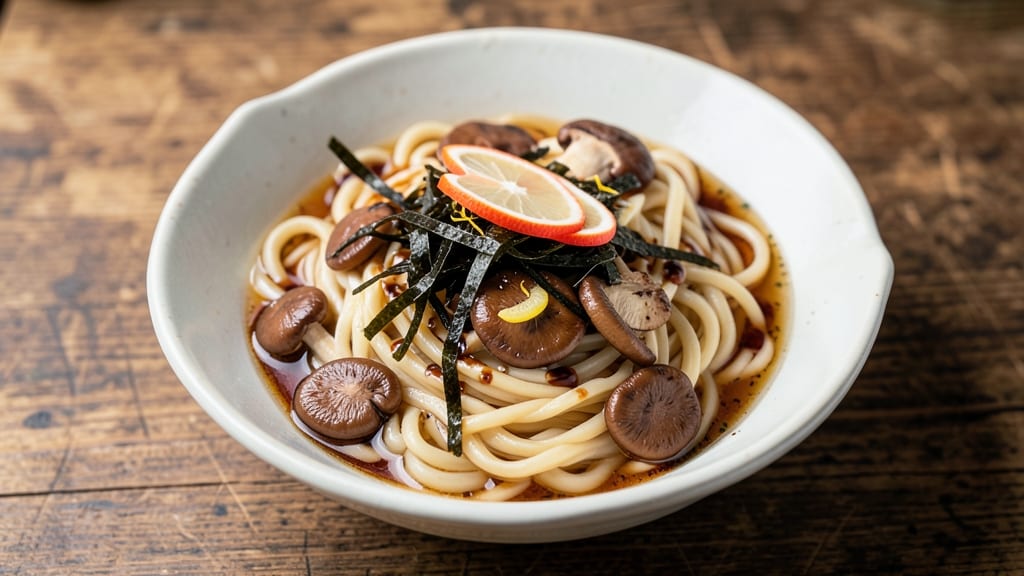
This Asian udon noodle soup recipe delivers the perfect balance of slippery noodles and rich, aromatic broth—just like your favorite Japanese ramen shop.
The secret lies in a carefully layered broth, where kombu and shiitake mushrooms infuse the liquid with deep umami flavor, while ginger and soy add warmth and complexity. I've perfected this recipe over years of testing, ensuring every spoonful delivers that comforting, savory-sweet harmony that makes udon irresistible.
The beauty of this dish is in its simplicity: a few key ingredients transform into a restaurant-quality bowl. You'll start with a fragrant broth simmered low and slow, then add chewy udon noodles that absorb the flavors beautifully.
The broth itself is a masterpiece—packed with umami from dashi, earthy shiitake mushrooms, and a touch of miso for depth. Even beginners will find this recipe approachable, thanks to clear techniques and forgiving timing.
What you're left with is a steaming bowl of slippery udon noodles floating in a velvety, golden broth—each bite offering a perfect mix of textures and flavors. The noodles stay tender yet chewy, while the broth coats your mouth with layers of savory, slightly sweet, and aromatic notes.
This is the kind of soup that warms you from the inside out, making it perfect for chilly evenings or whenever you crave a comforting meal.
The best part? This classic recipe is endlessly adaptable. Add soft-boiled eggs, thinly sliced tofu, or fresh green onions for extra texture, or kick it up with a dash of chili oil for a spicy twist.
Whether you're cooking for one or feeding a crowd, this udon noodle soup will become a staple in your recipe rotation. Let's get started!
Ingredients for asian udon noodle soup
These simple yet transformative ingredients create restaurant-quality udon noodle soup at home.
| Ingredient | Amount | Notes |
|---|---|---|
| Dried Udon Noodles 🍜 | 8 oz | Thick or medium variety |
| Dried Shiitake Mushrooms 🍄 | ½ cup | Rehydrated in hot water |
| Kombu Seaweed 🌿 | 1 piece | 4x6 inch sheet, dried |
| Fresh Ginger 🧅 | 2 tbsp | Finely grated, aromatic |
| Light Soy Sauce 🥄 | ½ cup | Kikkoman preferred |
| Mirin 🍶 | ¼ cup | Sweet rice wine |
| White Miso Paste 🧈 | 2 tbsp | For umami depth |
| Green Onions 🧅 | 4 whole | Thinly sliced, for garnish |
| Sesame Oil 🫒 | 1 tbsp | Toasted for aroma |
| Vegetable Oil 🫒 | 1 tbsp | For cooking mushrooms |
| Dried Bonito Flakes 🐟 | 1 tbsp | Optional for extra umami |
| Chili Oil 🌶️ | 1 tbsp | For spicy kick (optional) |
| Salt 🧂 | 1 tsp | Adjust to taste |
| Water 💧 | 8 cups | Filtered preferred |
The kombu and shiitake mushrooms are the soul of this broth—Japanese specialty stores carry the best kombu, but any dried seaweed sheet works. Look for shiitake that's plump and dark brown, not shriveled. Trader Joe's usually has great dried shiitake in the Asian aisle, and if you can't find kombu, dashi powder is a solid backup. Fresh ginger is non-negotiable here—dried loses that bright zing. I always grab extra and freeze it in coin shapes for future recipes. The udon noodles? Martini or King Noodle brands are my go-tos, but any dried udon will work—just soak them properly.
No mirin? Equal parts white wine and sugar mimics it pretty well. For the miso, white or shiro miso keeps the broth bright, while red miso adds depth (use half the amount). Running short on bonito flakes? Dried shrimp or extra mushrooms boost umami just as well. The soy sauce matters—Kikkoman or Diamond are foolproof, but avoid low-sodium versions here. Chili oil is optional, but if you add it, start with just 1/2 tbsp—you can always add more. Pro tip: Toast your sesame oil in the pan for 30 seconds before adding to the broth—that aroma is everything.
The kombu and mushrooms can soak in hot water for up to 3 days in the fridge—perfect for making extra broth. Udon noodles keep 1 month in the pantry, but once cooked, they're best eaten fresh. Store leftover broth in the fridge for 5 days or freeze it for 3 months. I always double the broth recipe—it's worth freezing for lazy weeknights. And if you've got extra miso paste, freeze it in ice cube trays for easy portioning later.
Why You'll Love This Recipe
- No Pantry? No Problem: I keep a stash of dried udon, shiitake, and kombu in my cupboard just for this—no fresh ingredients needed. Toss them all in boiling water, simmer with ginger and soy, and boom: soup in 15 minutes. (Yes, even when I’ve forgotten to buy milk for coffee.)
- Umami Bomb Combo: That crispy dried shiitake and kombu? Absolute flavor magic. The mushrooms soak up water and turn meaty, while the seaweed adds this deep, briny note—like a secret seasoning boost. Light soy ties it all together without overpowering.
- Lunch for Days: Make a big batch on Sunday—it reheats beautifully and tastes just as good cold the next day. I pack it for work, freeze portions for lazy nights, and my kids beg for leftovers. (Between us, I sneak seconds too.)
- Budget Warmth: A single pack of udon and a few dried mushrooms stretch to feed four for under $5. It’s my go-to when groceries are tight but I still want something satisfying. Honestly, it’s the kind of meal that makes frugal eating feel generous.
Step-by-step instructions for slippery udon noodles in fragrant broth
Here's how to create a rich, aromatic udon soup with perfectly tender noodles and layers of umami flavor.
Prepare the Kombu and Shiitake Mushrooms
First, cut the 1 piece Kombu Seaweed into thin strips about ½-inch wide. This will infuse the broth with its signature oceanic depth. In a large pot, combine the 8 cups Water with the Kombu and bring to a gentle simmer over medium heat. You'll see bubbles forming and a delicate aroma rising—this is your broth developing its foundation.
While the water heats, place the 0.5 cup Dried Shiitake Mushrooms in a small bowl and pour just enough hot water to cover them. Let them soak for 10-15 minutes until they've rehydrated and doubled in size. Drain and set aside, reserving ¼ cup of the soaking liquid for later. These mushrooms will bring earthy richness to your soup.
Build the Fragrant Broth
Once the Kombu water reaches a simmer, reduce heat to low and add the 2 tbsp Fresh Ginger (finely grated) and 0.5 cup Light Soy Sauce. Let it simmer gently for 10 minutes, allowing the flavors to meld. You'll notice the broth deepening in color and aroma—this is where the magic happens.
After 10 minutes, stir in the 0.25 cup Mirin and 2 tbsp White Miso Paste. The miso will dissolve slowly, adding a velvety texture and umami punch. Simmer for another 5 minutes, then add the rehydrated shiitake mushrooms and their reserved soaking liquid. The broth should now smell like a cozy Japanese izakaya—warm, inviting, and full of promise.
Cook the Udon Noodles
While the broth simmers, prepare the 8 oz Dried Udon Noodles according to package instructions—but here's the secret: cook them for 1 minute less than recommended. They'll finish cooking in the hot broth. Drain and set aside, reserving 1 cup of the starchy pasta water.
Return the udon to the pot with the broth and stir gently to distribute. The noodles should slide through the broth like silk—this is what makes udon so satisfying. If the broth looks too thin, add ½ cup of the reserved pasta water to help it cling to the noodles.
Finish with Umami and Garnish
Heat 1 tbsp Vegetable Oil in a small pan over medium heat. Add the shiitake mushrooms and cook for 2-3 minutes until lightly browned. Remove from heat and set aside. In the same pot, add 1 tbsp Sesame Oil and 1 tbsp Dried Bonito Flakes (if using). The bonito will sizzle and release an incredible aroma—this is the moment that transforms good soup into extraordinary.
Ladle the hot broth over the udon noodles, then divide among bowls. Top each serving with the browned shiitake mushrooms, 4 whole Green Onions (thinly sliced), and a drizzle of 1 tbsp Chili Oil if you like a little heat. The contrast of textures—slippery noodles, chewy mushrooms, and crisp green onions—makes every bite unforgettable. Serve immediately while steaming hot.
Pro Tips For Making Asian Udon Noodle Soup
- SOAK KOMBU FIRST: Dried kombu releases its umami punch fastest in cold water—drop it in a bowl with 2 cups water for 10 minutes before boiling. I used to toss it in hot water and wonder why my broth tasted flat; this step guarantees depth without bitterness.
- SIMMER SHIITAKES LOW: After rehydrating dried shiitakes, simmer them in the broth on actual low heat for 15 minutes—they’ll absorb flavor like a sponge. I learned this the hard way when I boiled them hard and ended up with mushy, flavorless mushrooms.
- SALT THE WATER: Add 1 teaspoon salt to the udon cooking water—it prevents the noodles from turning mushy and makes them hold their shape. Trust me, the difference is noticeable, especially if you’re using thick udon.
- GINGER SLICES, NOT GRATES: Thinly slice fresh ginger (no need to peel) and add it whole to the broth—it infuses flavor without turning the soup into a ginger slurry. I was skeptical until I tried it; now I resist grating it because it works so much better.
Creative variations of these flavors
Spicy Miso Udon
Transform your classic udon into a fiery sensation by adding 1 tbsp gochujang (Korean chili paste) to the broth along with the miso. For extra heat, stir in ½ tsp red pepper flakes with the bonito flakes.
Top with 1 tsp chili crisp before serving—this fusion twist keeps all the umami while adding a bold kick. I love this version with soft-boiled eggs for a protein boost. 🌶️
Vegetable-Packed Udon
Add ½ cup thinly sliced daikon radish, ½ cup baby spinach, and ¼ cup shredded carrots to the broth during the final 2 minutes of simmering. These veggies stay crisp-tender and add vibrant color.
For extra richness, stir in 1 tsp toasted sesame seeds at the end. This version is perfect for veggie lovers or lighter meals. 🥬
Seafood Udon
Boost the broth with ½ lb shrimp or ½ lb white fish fillets (like cod or halibut) during the last 5 minutes of cooking. The seafood absorbs the broth's flavors beautifully.
Garnish with extra bonito flakes and a squeeze of yuzu juice (or lemon) for brightness. This coastal-inspired version feels luxurious but stays simple. 🐟
Cold Summer Udon
Shock the cooked udon in ice water for 30 seconds to stop the cooking, then drain. Serve chilled with a light broth made from ½ cup kombu broth, ¼ cup rice vinegar, and 1 tbsp sesame oil.
Top with chilled tofu cubes, cucumber slices, and a drizzle of spicy mayo. This refreshing twist is perfect for hot days. ❄️
Curry Udon Fusion
Add 1 tbsp Japanese curry roux (like S&B Golden Curry) to the broth during the final 5 minutes of simmering. Stir in ½ cup coconut milk for creaminess, then top with crispy fried onions and a dollop of plain yogurt.
This fusion of Japanese and Indian flavors creates a uniquely comforting bowl. 🍛
Breakfast Udon
Turn udon into a hearty breakfast by adding 2 soft-boiled eggs and ¼ cup crispy fried shallots. Stir in 1 tsp furikake (Japanese seasoning) and top with green onions.
Serve with a side of miso soup for a full morning meal. The eggs add protein and richness that makes this version extra satisfying. 🍳
Nutrition facts
Frequently asked questions
Why does my udon broth taste too salty?
This usually happens when adding miso paste or soy sauce. Start with 1 tbsp miso and ¼ cup soy sauce for 8 cups broth, then adjust gradually. Taste as you go—remember, you can always add more water later to dilute. The kombu and shiitake should provide natural umami without excessive saltiness.
Can I use instant ramen noodles instead of udon?
Not recommended—they lack the chewy texture and subtle wheat flavor of udon. If you must substitute, try fresh egg noodles or thick rice noodles, but cook them 1 minute less than package instructions. The broth will still be delicious, but the texture won't be authentic.
How do I make the broth richer without extra ingredients?
Simmer the kombu and shiitake for 20 minutes instead of 10 to extract more flavor. Add 1 tbsp toasted sesame seeds to the broth during the last 5 minutes for nutty depth. For instant richness, stir in ½ tsp fish sauce (if not vegetarian) or 1 tsp nutritional yeast.
What's the best way to store leftover udon?
Cool the broth and noodles completely, then store them separately in airtight containers. Reheat broth on the stove, then add dry noodles (cooked separately) to avoid mushiness. Leftovers keep 3 days in the fridge. For longer storage, freeze the broth alone—it reheats beautifully for quick meals later.
Can I make this soup without kombu or bonito flakes?
Yes! Replace kombu with ½ tsp dashi powder or ¼ cup kombu broth from a packet. For bonito flakes, use 1 tsp dried shrimp or extra shiitake mushrooms. The umami will be slightly different but still delicious. The key is balancing soy sauce and miso to compensate for the missing depth.