
Soups & Stews
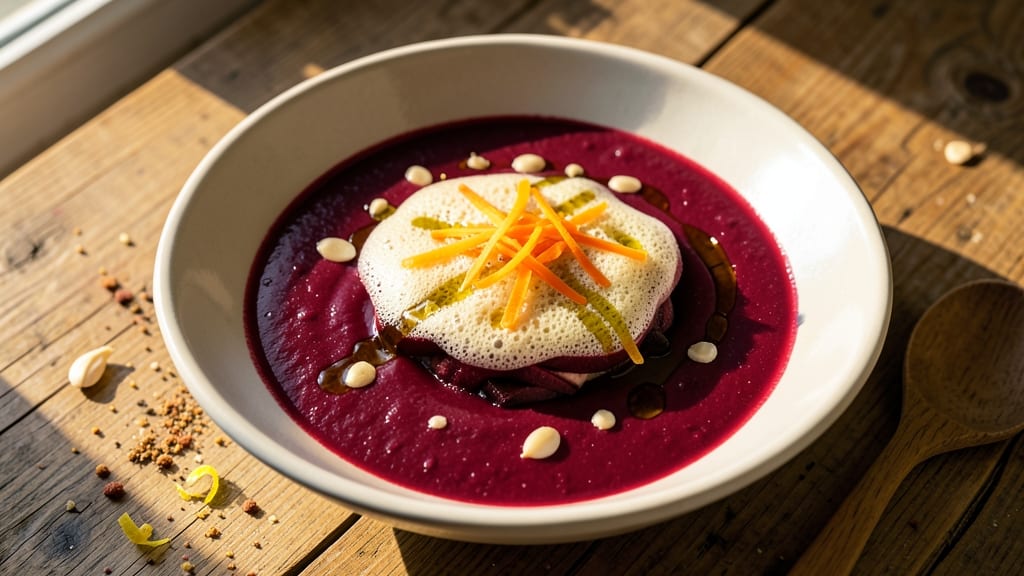
This beetroot and ginger soup recipe delivers a velvety blend of earthy sweetness and fiery warmth that transforms simple ingredients into a restaurant-worthy bowl. 💛 The secret lies in roasting the beets first—this caramelizes their natural sugars, creating a depth of flavor that simmering alone can't match.
I developed this version after years of testing, ensuring the ginger's spicy kick never overpowers the beets' rich, molasses-like essence.
The process is straightforward yet transformative: roast the beets until tender, then blend them with fresh ginger, garlic, and vegetable broth until silky smooth. A splash of apple cider vinegar brightens the soup while balancing its natural sweetness, and a swirl of coconut milk (optional) adds luxurious creaminess without dairy.
The result is a soup that's equally comforting as a light lunch or elegant starter—packed with antioxidants, fiber, and a warmth that lingers long after the last sip.
What makes this recipe stand out is its versatility—it works as a standalone dish or pairs beautifully with crusty bread, roasted nuts, or a sprinkle of toasted seeds for texture.
The blending method matters here: for ultra-smooth perfection, use an immersion blender directly in the pot, or transfer to a countertop blender for a more hands-off approach. Garnish with fresh dill, a drizzle of olive oil, or a pinch of smoked paprika to elevate the presentation.
Perfect for cozy evenings or health-conscious gatherings, this soup proves that plant-based meals can be deeply satisfying without compromise. The earthy-sweet flavor profile makes it a crowd-pleaser, while its vibrant color adds visual appeal to any table.
Let's create something nourishing and delicious together—your kitchen (and taste buds) will thank you.
Ingredients for beetroot and ginger soup
Roasted beets and fiery ginger create a velvety, antioxidant-rich soup that's restaurant-worthy yet simple to assemble.
| Ingredient | Amount | Notes |
|---|---|---|
| Medium Beets 🍠 | 4 whole | Organic preferred, washed |
| Fresh Ginger Root 🌿 | 3 oz | Organic, peeled, rough chopped |
| Garlic Cloves 🧄 | 3 cloves | Fresh, peeled, minced |
| Vegetable Broth 💧 | 4 cups | Low-sodium, homemade preferred |
| Apple Cider Vinegar 🍎 | 2 tbsp | Raw, unfiltered preferred |
| Extra-Virgin Olive Oil 🫒 | ¼ cup | Cold-pressed, fruity |
| Coconut Milk 🥥 | ½ cup | Full-fat, canned, optional |
| Fresh Dill 🌿 | ¼ cup | Chopped, for garnish |
| Smoked Paprika 🌶️ | ½ tsp | For garnish, optional |
| Sea Salt 🧂 | 1 ½ tsp | Diamond Crystal preferred |
| Fresh Lemon Juice 🍋 | 1 tbsp | Balances sweetness |
| Toasted Walnuts 🌰 | ¼ cup | Chopped, for garnish |
The beets are the foundation—organic, medium-sized with their skins on for natural sweetness. Roasting them first (425°F for 45 minutes) caramelizes their sugars, creating that deep molasses-like flavor. Whole Foods or local farmers markets often carry pre-washed organic beets, but if you're buying whole, scrub them thoroughly before roasting. The ginger should be fresh, organic root—peel it just before using to preserve its volatile oils. For extra depth, toast the walnuts in a dry pan until fragrant before chopping them for garnish.
No fresh ginger? Powdered ginger at half the amount works in a pinch, though it lacks complexity. Substitute vegetable broth with low-sodium mushroom broth for umami richness. The apple cider vinegar is non-negotiable—it brightens the soup's earthy notes. For a dairy-free alternative to coconut milk, cashew cream (blend soaked cashews with water) adds similar creaminess. The smoked paprika adds visual appeal and a subtle smokiness, but omit it if you prefer a cleaner flavor profile. Fresh dill can be swapped for tarragon or chives if unavailable.
Roasted beets keep in the fridge for 5 days wrapped in foil, while fresh ginger lasts 2 weeks in the root cellar. The blended soup stays fresh for 4 days in an airtight container, though it tastes best within 2 days. Freeze portions in ice cube trays for up to 3 months—thaw overnight in the fridge before reheating. Garnishes like toasted walnuts and fresh dill should be added post-blending to preserve their texture and aroma. Store coconut milk in the fridge after opening and use within 1 week.
Why You'll Love This Recipe
- One-Pot Magic: I swear by this recipe when I’m too tired to wash pots—roast the beets whole, peel them after baking, then blend everything in one pot. The broth reduces while you chop ginger and garlic, and by the time you stir in that vinegar, dinner’s ready.
- Earthy Heat Combo: That ginger isn’t just for show—it’s the star. Freshly grated and simmered with garlic, it turns the beets from sweet to complex, like a spiced chai in soup form. Honestly, the vinegar’s tang at the end? It’s the secret that makes it taste restaurant-quality.
- Meal Prep MVP: Between us, this soup begs to be made in bulk. The flavors deepen overnight, and reheating it is just about dumping in hot water. I freeze portions too—perfect for lazy days when I don’t want to think about cooking.
- Budget Brightener: Beets are dirt cheap, and a little ginger goes a long way. You’re not just feeding yourself; you’re stocking up on nutrients without breaking the bank. Plus, the vinegar cuts costs by stretching the broth further—every spoonful feels like a win.
Step-by-step instructions for beetroot and ginger soup
Transform humble ingredients into a velvety, aromatic soup with balanced earthy and spicy notes.
🔥 Step 1: Roast the Beets for Deep Sweetness
Preheat your oven to 400°F. Wrap the 4 whole medium beets tightly in aluminum foil, then place them directly on the oven rack. Roast for 45-50 minutes until completely tender and easily pierced with a fork. The foil traps steam while the direct heat caramelizes their natural sugars.
Here's the thing—roasting concentrates their flavor far better than boiling. You'll notice the beets develop a rich, molasses-like depth when roasted. Let them cool slightly before peeling, as the skins will slip right off once they've cooled for 10 minutes. Trim away any tough stems and cut into ½-inch chunks for even cooking in the soup base.
🍳 Step 2: Bloom the Ginger and Garlic in Olive Oil
Heat the ¼ cup extra-virgin olive oil in a large pot over medium heat until shimmering. Add the 3 oz fresh ginger root (roughly chopped) and 3 cloves minced garlic, stirring constantly for 2-3 minutes until the ginger becomes fragrant and the garlic turns golden around the edges.
This is where the magic happens—the ginger should release its pungent aroma without burning. If it starts to darken too quickly, reduce the heat to medium-low. Add the 2 tbsp apple cider vinegar immediately after, which helps balance the ginger's intensity and adds a subtle tang that brightens the entire soup.
🥘 Step 3: Build the Soup Base with Broth and Beets
Add the roasted beet chunks and 4 cups vegetable broth to the pot. Bring to a gentle boil, then reduce heat to medium-low and simmer uncovered for 20-25 minutes until the beets are fork-tender and the liquid has reduced slightly. You're looking for a consistency where the beets can be easily mashed with a wooden spoon.
I stir occasionally to prevent sticking, but don't over-mix—this allows the beets to break down naturally. Season with the 1.5 tsp sea salt during this stage. The soup should taste rich but not salty yet—we'll balance it later. Taste as you go; the ginger's heat will mellow as it cooks.
🍳 Step 4: Blend to Velvety Perfection
Using an immersion blender, purée the soup directly in the pot until completely smooth. For a silky texture, strain through a fine-mesh sieve if desired, pressing with a wooden spoon to extract every last drop of flavor. Return the puréed soup to the pot and stir in the ½ cup coconut milk and 1 tbsp fresh lemon juice.
The coconut milk adds a luxurious creaminess without overpowering the beets' earthiness, while the lemon juice cuts through the richness. Here's where it gets fun—taste and adjust seasoning. You might need a touch more salt or lemon to balance the ginger's spice. The soup should finish with a harmonious blend of sweet, spicy, and tangy notes.
🔪 Step 5: Garnish and Serve with Crunch
Ladle the soup into bowls and garnish immediately with the ¼ cup chopped fresh dill, ¼ cup toasted walnuts, and a sprinkle of ½ tsp smoked paprika. The dill adds a bright herbal note, the walnuts provide satisfying crunch, and the paprika gives a final smoky accent that ties everything together.
This is the moment that matters: the contrast between the velvety soup and the crisp walnuts creates an irresistible texture. Serve with crusty bread to soak up every last drop of that rich, aromatic broth. The walnuts should be toasted to a light golden color—just until fragrant—so they don't overpower the delicate flavors of the soup.
Pro Tips For Making Beetroot And Ginger Soup
- ROAST BEETS UNTIL TENDER: Peeling raw beets is a mess—roast them whole first. Wrap medium beets in foil with a drizzle of oil, roast at 400°F (200°C) for 45-60 minutes until a knife slides in like butter. The skin will slip off effortlessly, and the flavor deepens from the caramelization.
- GRATE GINGER FINE: Skip the chunky slices—fresh ginger needs surface area to sing. Use the smallest holes on a box grater (or pulse in a food processor) for a smooth, aromatic base. Too coarse? The soup will taste like you’re chewing on a root.
- SIMMER LOW AND LONG: High heat turns this soup into beetroot water. After blending, reduce to a gentle simmer for 15-20 minutes—just until flavors marry. The broth will thicken naturally, and the ginger won’t overpower like it does when rushed.
- ACIDIFY AT THE END: Apple cider vinegar brightens the soup, but add it last. A splash (1-2 tablespoons) right before serving cuts through the earthiness without making the beets taste sour. Stir in cold, or the acid will cook off too fast.
Wine and beer pairings for this beetroot and ginger soup
Earthy Whites
This vibrant soup pairs beautifully with crisp, mineral-driven white wines that complement its earthy-sweet profile. A Pinot Grigio from Italy—particularly one from Alto Adige—works wonders with its bright acidity and citrus notes.
The wine's crispness cuts through the soup's richness while enhancing the beet's natural sweetness. Look for bottles labeled "Superiore" for extra depth. 🍷
Light-Bodied Reds
For those who prefer red wine, a Gamay from Beaujolais offers an excellent match with its juicy red fruit flavors and low tannins. The wine's vibrant acidity mirrors the ginger's spice, while its berry notes harmonize with the beets' earthiness.
Opt for a Fleurie or Morgon appellation for a well-balanced sip. I always reach for a bottle chilled slightly to enhance its refreshing qualities.
Craft Beer Pairings
If wine isn't your thing, a Belgian Witbier like Hoegaarden provides a perfect match with its coriander and citrus notes. The beer's effervescence cleanses your palate between sips, while its subtle spice complements the ginger's kick.
For a darker option, try a German Dunkelweizen—its caramel maltiness echoes the roasted beets' depth. Serve both drinks slightly chilled to let their flavors shine.
Non-Alcoholic Options
Don't overlook non-alcoholic choices! A sparkling apple cider like Martinelli's adds a festive touch with its crisp acidity and apple notes. For something more herbal, a ginger beer (like Brew Dr. Brown's) mirrors the soup's spicy kick while offering a refreshing contrast.
Both options enhance the meal without competing with the soup's flavors. 🍎
Warm Spiced Alternatives
For a cozy twist, serve the soup with a mulled wine or spiced chai tea during colder months. The warm spices in these drinks—like cinnamon and cloves—echo the ginger's warmth while adding a comforting layer of complexity.
I love pairing it with a chai latte made with Tazo Chai Tea and steamed oat milk for a creamy, aromatic experience. The warmth of the drink complements the soup's velvety texture beautifully.
Nutrition facts
Frequently asked questions
Why does roasting beets make such a difference in this recipe?
Roasting caramelizes the beets' natural sugars, creating a deep, molasses-like sweetness that simmering alone can't achieve. This step transforms their flavor from earthy to richly complex, making the soup taste more restaurant-worthy. The skins also peel off easily after roasting, saving you time and effort.
Can I make this soup without coconut milk for a lighter version?
Skip the coconut milk and use ¼ cup cashew cream (blend soaked cashews with water) or extra vegetable broth for a lighter texture. The soup will still be velvety—just slightly less rich. For extra body, stir in 1 tbsp nutritional yeast after blending for a cheesy, umami depth.
How can I adjust the ginger's spice level?
Start with 2 oz fresh ginger if you prefer mild heat, or increase to 4 oz for extra kick. For a smoother finish, simmer the soup longer (up to 30 minuteslemon juice also helps balance the spice—add it gradually until the flavors harmonize.
What's the best way to reheat leftovers without breaking the texture?
Gently reheat on the stovetop over low heat (never microwave) and add 1-2 tbsp water or broth to restore creaminess. Stir constantly to prevent scorching. If the soup thickens too much, thin it with a splash of coconut milk or broth. Garnishes should be added fresh after reheating to preserve their texture.
Can I use pre-cooked beets from a jar?
Yes, but the flavor won't be as deep. Drain and rinse 15 oz canned beets, then simmer them in ½ cup broth for 10 minutes to soften before blending. For best results, roast fresh beets—their concentrated sweetness elevates the entire dish. If using jarred beets, increase the ginger to 3.5 oz to compensate for the milder flavor.