
Soups & Stews
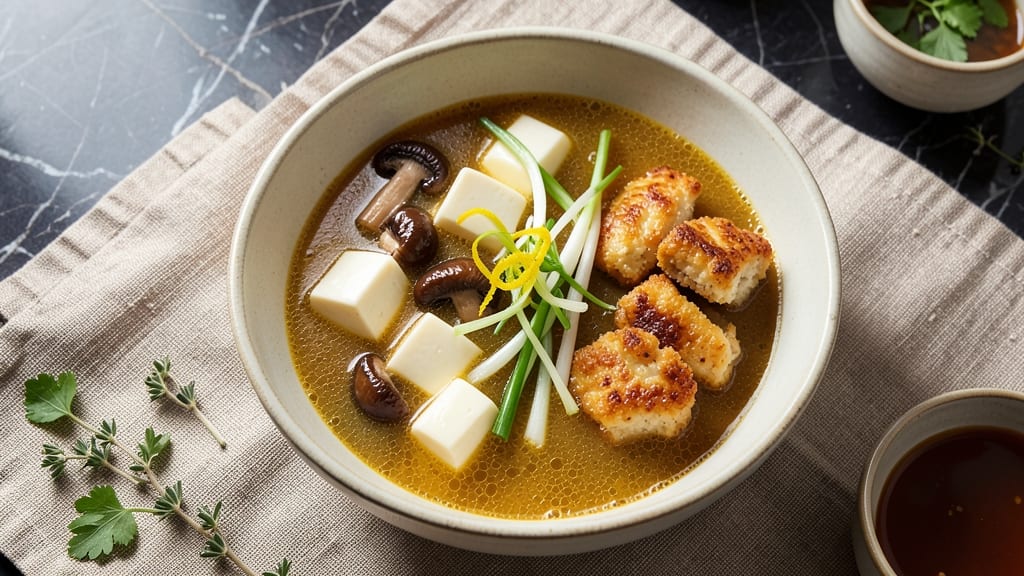
This bento soup recipe transforms humble ingredients into a nourishing, Japanese-inspired meal that balances warmth and texture. The secret lies in layering a rich broth with tender proteins and crunchy toppings—each bite delivers both comfort and sophistication.
I developed this version after discovering how a simple miso base could elevate everyday ingredients into something restaurant-worthy, while keeping prep manageable for home cooks.
The foundation is a savory broth (miso or dashi) that infuses every component with umami depth, while proteins like fish cakes or tofu add substance. What sets this apart is the strategic use of toppings—pickled vegetables, seaweed, and green onions—that introduce contrasting textures and flavors.
The result? A soup that feels like a complete meal, perfect for lunch or a light dinner when paired with steamed rice.
What makes this recipe truly special is its adaptability—vegetarian options, fusion flavors, and shortcut ingredients ensure it works for any kitchen. The broth simmers while you prep toppings, making it an efficient yet impressive dish.
By the time you serve it, you'll have a bowl that's as visually appealing as it is satisfying, with every spoonful offering a balance of warmth, crunch, and depth.
Whether you're serving a family or treating yourself, this bento soup delivers the essence of Japanese comfort food without the complexity. The key is in the details: a well-seasoned broth, tender proteins, and toppings that add both texture and freshness.
Ready to create a meal that feels like a hug in a bowl?
Ingredients for bento soup
Japanese-inspired comfort meets umami depth with these carefully chosen ingredients.
| Ingredient | Amount | Notes |
|---|---|---|
| White Miso Paste 🧂 | 2 tbsp | High-quality, fermented miso preferred |
| Dashi Stock 🍲 | 4 cups | Homemade or quality bottled |
| Silken Tofu 🧀 | 1 block | Firm tofu for better texture |
| Fish Cakes 🐟 | 8 pieces | Store-bought or homemade |
| Green Onions 🧅 | ½ cup | Thinly sliced, white and green parts |
| Dried Shiitake Mushrooms 🍄 | 4 pieces | Rehydrated in warm water |
| Nori Sheets 🍣 | 4 sheets | Cut into thin strips |
| Pickled Red Ginger 🍓 | ¼ cup | Thinly sliced for garnish |
| Sesame Seeds 🌾 | 1 tbsp | Toasted for extra flavor |
| Rice Vinegar 🍶 | 1 tbsp | For balancing umami |
| Soy Sauce 🥫 | 1 tbsp | For depth of flavor |
| Steamed White Rice 🍚 | 2 cups | For serving, cooked |
| Vegetable Oil 🫒 | 1 tbsp | For cooking fish cakes |
| Salt 🧂 | ½ tsp | Adjust to taste |
| Black Pepper 🌶️ | ¼ tsp | Freshly ground preferred |
The miso paste is the heart of this soup—look for white miso at specialty stores like Mitsua or Trader Joe's for that authentic fermented depth. Dashi stock can be homemade with kombu and bonito flakes, but quality bottled versions like Hondashi work perfectly. For the tofu, Silken brand is ideal, but any firm tofu cut into cubes will work. Fish cakes should be high-quality, like Kikkoman or Marukome, to avoid fishy aftertaste. The shiitake mushrooms should be rehydrated in warm water, not boiling, to preserve their delicate texture.
No miso on hand? Substitute with 1 tbsp soy sauce plus 1 tsp white miso for a similar profile. Out of dashi? Vegetable broth with a dash of soy sauce replicates the umami. For a vegetarian version, swap fish cakes for extra-firm tofu cubes and use vegetable dashi. The nori sheets can be replaced with seaweed salad if strips are difficult to find. Pickled red ginger is optional but adds that signature Japanese crunch—substitute with pickled radish if unavailable. Toast the sesame seeds in a dry pan for 30 seconds to enhance their nutty flavor.
Store miso paste in the fridge once opened—it lasts for up to 6 months. Dried shiitake mushrooms keep indefinitely in a cool, dry place, while nori sheets should be stored in a sealed container to prevent moisture. Fish cakes can be pre-cooked and frozen for up to 3 months, while tofu stays fresh for 5 days in the fridge. Assemble the soup just before serving to preserve the crunch of toppings. Leftovers keep for 3 days in the fridge, though the toppings may soften—add fresh ones when reheating.
Why You'll Love This Recipe
- Here’s what sold me: the silken tofu’s creamy bite melts into the broth while keeping texture. No one would guess how simple it is to make this feel restaurant-worthy.
- Five-Ingredient Magic: I swear by this recipe—just miso, dashi, tofu, fish cakes, and green onions. That’s it. The umami from the miso and dashi builds layers of flavor without a single complicated step.
- Silken Tofu Secret: Here’s what sold me: the silken tofu’s creamy bite melts into the broth while keeping texture. No one would guess how simple it is to make this feel restaurant-worthy.
- Lunchbox Hero: Between us, this is my go-to for meal prep. Taste stays fresh for days in the fridge, and the fish cakes hold up perfectly—no soggy bento boxes here.
Step-by-step instructions for Japanese-inspired bento soup
A harmonious blend of umami depth and textural contrast awaits—where silky broth meets crisp toppings.
Rehydrate and Prepare Key Components
Begin by rehydrating the 4 pieces dried shiitake mushrooms in warm water for 15 minutes. This step ensures they'll blend seamlessly into the soup without requiring additional cooking time later. While they soak, thinly slice the 0.5 cup green onions and set aside—you'll need both white and green portions for garnish.
Cut the 4 sheets nori into thin strips using kitchen shears, creating delicate ribbons that will add both visual appeal and a satisfying crunch. Toast the 1 tablespoon sesame seeds in a dry skillet over medium heat for 1-2 minutes until fragrant—this enhances their nutty flavor and prevents them from becoming bitter during cooking.
Build the Umami-Packed Broth
In a clean pot, combine the 4 cups dashi stock with the 2 tablespoons white miso paste. Gently heat over medium-low heat until the mixture reaches 160°F—just below a simmer. The miso should dissolve completely, creating a velvety base. This low-and-slow approach prevents the miso from developing any bitter notes that can occur with vigorous boiling.
Add the rehydrated shiitake mushrooms (drained and chopped), 1 tablespoon soy sauce, and 1 tablespoon rice vinegar. Stir gently and simmer for 8-10 minutes until the mushrooms soften and the broth deepens in color. The aroma should be rich and inviting—this is your flavor foundation. Season with 0.5 teaspoon salt and 0.25 teaspoon black pepper to taste.
Cook the Protein Components
Heat 1 tablespoon vegetable oil in a separate skillet over medium heat. Add the 8 pieces fish cakes and cook for 2-3 minutes per side until golden brown and crispy. The key here is patience—don't rush the cooking or they'll turn rubbery. Transfer to a paper towel-lined plate to drain excess oil.
Cube the 1 block silken tofu into ½-inch pieces and gently add them to the simmering broth. They'll cook through in just 3-4 minutes—watch for them to float to the surface, indicating they're ready. The broth should now be a harmonious blend of silky tofu, earthy mushrooms, and the umami depth from the miso and dashi.
Assemble and Garnish
Divide the 2 cups steamed white rice evenly among 4 bowls. Ladle the hot broth over the rice, ensuring each serving gets an equal portion of tofu and mushrooms. The rice should absorb the broth's flavors while maintaining its texture.
Arrange the crispy fish cakes on top of each bowl, followed by the sliced green onions and nori strips. Sprinkle with the toasted sesame seeds and 0.25 cup pickled red ginger for both color contrast and a refreshing tang. Serve immediately while the toppings retain their crispness and the broth remains piping hot.
Pro Tips For Making Bento Soup
- Dissolve Miso Slowly: After heating your dashi, turn off the heat and let it cool just enough to touch—miso burns faster than you think. Whisk it in gradually, a spoon at a time, or you’ll end up with bitter, grainy sludge instead of that smooth, umami-rich base. (I learned this the hard way when my soup tasted like miso-flavored regret.)
- Slice Tofu Thinly: Skip the cubes—silken tofu holds its shape better when sliced into paper-thin strips. They’ll soak up the broth without falling apart, and the delicate texture contrasts perfectly with the fish cakes. Use a sharp knife and angle it low for clean cuts. (Yes, it takes 2 minutes longer, but it’s worth it.)
- Poach Fish Cakes First: Toss the fish cakes into simmering water for 2–3 minutes before adding them to the soup. This keeps them from turning rubbery when you later heat the broth. Strain them out, then drop them in at the end—hot broth will reheat them perfectly. (I used to add them raw, and they always came out sad.)
- Chop Green Onions Late: Save the green onions for the very last minute—just before serving. They’ll stay bright and crisp, not wilted into limp strands. A quick sprinkle right before eating also lets you control how much you want in each bite. (Pro move: reserve the dark green tops for garnish—they’re the most flavorful.)
Common mistakes when making perfect results
Overcooking the Broth
Boiling miso broth too vigorously can turn it bitter—this is a common mistake that ruins the delicate balance of flavors. I’ve seen even experienced cooks bring the broth to a full boil, which activates the miso’s natural bitterness.
Instead, heat the broth gently over medium-low heat until it reaches just 160°F. The miso should dissolve smoothly without any bubbling. If you notice the broth starting to bubble, immediately reduce the heat. 🌡️
Skipping Rehydration
Dried shiitake mushrooms need proper rehydration to avoid turning mushy in the broth. I once forgot this step and ended up with a watery, flavorless soup. Always soak the mushrooms in warm water for 15 minutes before adding them to the pot.
This ensures they absorb just enough moisture to soften perfectly without falling apart. Drain them well before chopping and adding to the broth.
Overcrowding the Pot
Adding all the toppings at once can dilute the broth and make it watery. When I first made this soup, I tossed everything in the pot simultaneously, and the result was a weak, soupy mess. Instead, cook the fish cakes separately and add the tofu cubes last.
This keeps the broth concentrated and allows each ingredient to shine. The fish cakes should be crispy, not soggy, so cook them in batches if needed.
Ignoring Texture Balance
Bento soup thrives on texture contrast—silky broth, crispy fish cakes, crunchy nori, and tender mushrooms. I’ve seen versions where the toppings were either undercooked or overcooked, throwing off the entire dish.
Toast the sesame seeds just before serving to keep them crisp, and add the nori strips last so they stay crunchy. The pickled red ginger should be sliced thinly for a refreshing bite, not chopped into tiny pieces that lose their texture.
Neglecting the Rice
The rice is the foundation of this meal, and using cold or improperly cooked rice can ruin the experience. I’ve made the mistake of serving the soup over rice that was reheated or undercooked. Always use freshly steamed, hot rice—it absorbs the broth beautifully and stays fluffy.
Divide the rice into bowls first, then ladle the hot broth over it. This keeps the rice from turning mushy and ensures each bite is perfectly balanced. 🍚
Rushing the Assembly
Assembling the soup too quickly can lead to soggy toppings and a less visually appealing dish. I learned this the hard way when I rushed to serve and ended up with limp nori and mushy fish cakes.
Instead, work methodically: start with the rice, then add the broth, followed by the crispy fish cakes, and finally the fresh toppings. Serve immediately so the nori and ginger stay crisp. Patience here makes all the difference in the final presentation and texture.
Nutrition facts
Frequently asked questions
What makes bento soup different from regular Japanese soup?
Bento soup stands out because it's designed as a complete, balanced meal—like a mini bento box in a bowl! It typically includes a hearty broth (like miso or dashi) with protein (fish cakes, tofu, or meat), vegetables, and toppings that add texture and color. The key difference is the intentional layering of flavors and textures to create a satisfying one-bowl experience, often served with rice on the side or mixed in.
Can I make this bento soup vegetarian or vegan?
Swap fish cakes for extra-firm tofu cubes or vegan fish cakes, and use vegetable dashi instead of traditional dashi. For extra protein, add baked tofu or tempeh. The miso base works perfectly for both versions—just ensure your miso is vegan (some contain fish-based additives). The same toppings (nori, mushrooms, ginger) work beautifully in plant-based versions.
How long can I store leftovers, and can I reheat them?
Store leftovers in an airtight container in the fridge for 3 days. When reheating, warm the broth gently on low heat (never microwave) and add fresh toppings like nori and green onions afterward to preserve their crunch. The rice may dry out if reheated, so it's best to serve the soup fresh when possible or store the broth and rice separately.
What's the best way to make the broth extra flavorful?
For deeper umami, add a dash of bonito flakes (if not using fish-based dashi) or a pinch of kombu powder to your broth. A splash of mirin or sake (1 tsp) can also enhance sweetness and complexity. For a smoky touch, lightly toast the dried shiitake mushrooms before rehydrating. The key is balancing saltiness, sweetness, and acidity—taste as you go and adjust with soy sauce or rice vinegar.
Can I prepare any components ahead of time?
Yes! Prep the broth base (without toppings) up to 2 days ahead and store it refrigerated. Cook the fish cakes and tofu separately and refrigerate them in airtight containers for 2-3 days. Toast the sesame seeds and slice the green onions in advance—they'll keep well in the fridge. On serving day, just reheat the broth gently and assemble everything fresh for the best texture.