
Sauces & Condiments
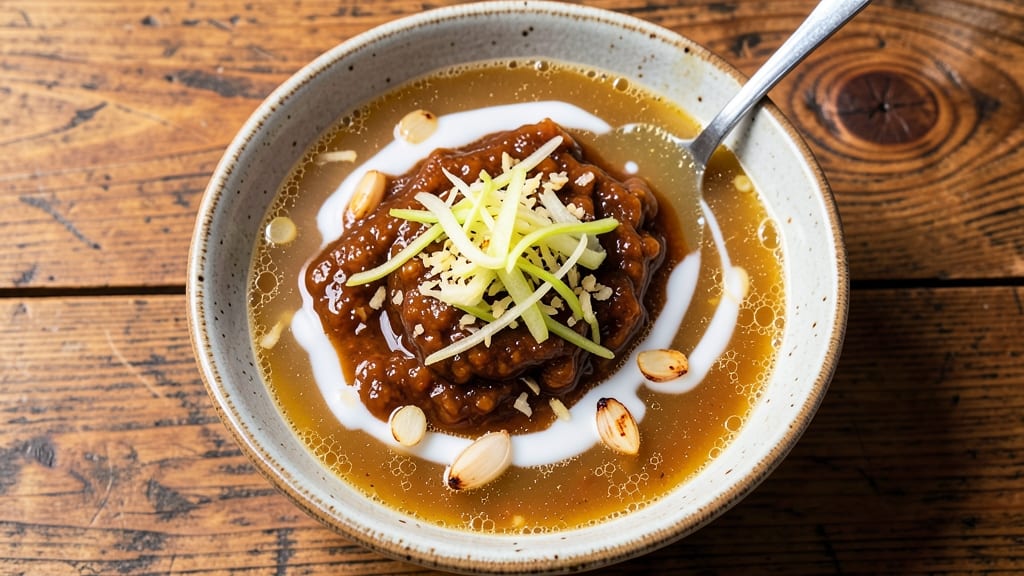
This tamarind soup base transforms simple broth into a complex, umami-rich foundation that elevates any dish. 🌟 The secret lies in balancing tamarind's signature tang with aromatic shallots, garlic, and ginger—creating a concentrated paste that builds depth without overpowering.
I developed this after realizing how often tamarind was relegated to sweet dishes when it could be the star of savory soups and braises.
The magic happens when you simmer tamarind pulp with aromatics until they dissolve into a thick, glossy paste. This isn't just a flavor booster—it's a time-saver, cutting hours of simmering down to minutes of blending.
The result? A versatile base that adds instant complexity to miso soup, curries, or even marinades, with the flexibility to dilute or concentrate as needed.
What makes this recipe truly professional is its adaptability. Store the paste in the fridge for up to 2 weeks or freeze for 3 months, ready to transform any broth into something restaurant-worthy.
The balance of sweet, sour, and savory creates a flavor profile that works across cuisines, from Thai-inspired soups to Mexican pozole.
Use it as a quick marinade for proteins, a depth-enhancer for vegetable broths, or the backbone of a complex soup. The possibilities are endless, but the execution is simple—just blend, simmer, and store. Let's build this flavor foundation that will change how you approach savory cooking.
Ingredients for tamarind soup base
Nine ingredients, infinite possibilities—this tangy-sour paste transforms any broth into restaurant-worthy depth.
| Ingredient | Amount | Notes |
|---|---|---|
| Tamarind Paste 🍈 | ½ cup | High-quality, unsweetened preferred |
| Shallots 🧅 | ½ cup | Finely minced, about 6-8 whole |
| Garlic Cloves 🧄 | 6 cloves | Peeled, roughly chopped |
| Fresh Ginger 🌿 | ½ cup | Grated, about 2-inch piece |
| Low-Sodium Vegetable Broth 💧 | 1 cup | Homemade or high-quality store brand |
| Coconut Milk 🥥 | ¼ cup | Full-fat for richness |
| Brown Sugar 🍚 | 1 tbsp | Lightly packed |
| Fish Sauce 🍶 | 1 tbsp | Red Boat preferred |
| Extra-Virgin Olive Oil 🫒 | 1 tbsp | For blending and finishing |
| Kosher Salt 🧂 | ½ tsp | Diamond Crystal preferred |
Tamarind is the hero here, so skip the sweetened versions—they’ll throw off the balance. Thai Kitchen brand or Trader Joe's tamarind paste are my go-tos, but any unsweetened block works if you’re willing to scrape it. Shallots and garlic? Freshly minced is non-negotiable—they dissolve into the paste, so no pre-chopped shortcuts. Ginger should be peeled and grated (not chopped) for a smoother texture. The broth matters too: homemade or low-sodium store-bought keeps the flavor pure.
No tamarind? Lime juice plus a touch of molasses mimics the tang, though it won’t have the same depth. Swap coconut milk for cashew cream if you’re avoiding dairy. Fish sauce can be omitted for a vegetarian version, but soy sauce or mushroom sauce adds umami in a pinch. Brown sugar? Coconut sugar or maple syrup work too—just taste as you go. The olive oil isn’t just for flavor; it emulsifies the blend for a silky texture. Pro tip: Toast the ginger and shallots in oil for 30 seconds before blending—it deepens the aroma instantly.
This paste keeps like a dream: 2 weeks in the fridge or 3 months frozen. Store it in a small glass jar with a tight seal—it’s concentrated, so a little goes a long way. Freeze in ice cube trays for single-use portions. The flavor actually improves after a few days as the tang mellows. Use it to marinate proteins, boost broths, or glaze roasted veggies. Trust me, you’ll reach for this before reaching for store-bought pastes.
Why You'll Love This Recipe
- Fewer Ingredients, Bigger Impact: I swear by this—just five things (yes, five) build a flavor bomb. No measuring cups, no stress: a quick chop of shallots and garlic, a scrape of ginger, and that tamarind paste does all the heavy lifting. Honestly, it’s the kind of recipe where you’ll forget how little you actually did.
- Tangy-Sweet Magic: That tamarind paste? It’s the MVP. The moment it hits the broth, it’s like a wake-up call for your taste buds—bright, funky, and just sweet enough to balance the garlic’s bite. I’ll be real: my first batch was too shy on paste, and now I double it. Trust me, you’ll want to.
- Your New Pantry Staple: This isn’t just soup—it’s the backbone for curries, braises, or even a quick glaze for proteins. Freeze leftovers in ice cube trays, and boom: instant flavor boosts for future meals. Between us, I’ve used mine in everything from ramen to marinades, and no one’s ever questioned where the depth came from.
- Budget-Friendly Powerhouse: Shallots, garlic, and ginger? Check. Broth? Even the low-sodium kind won’t break the bank. Tamarind paste lasts forever, and you’ll use it up fast. Took me three tries to get the tamarind-to-broth ratio right, but now it’s my secret weapon for meals that feel fancy without the grocery bill.
Step-by-step instructions for tangy tamarind soup base
Here's how to build a vibrant, umami-rich foundation that transforms into soups, sauces, or marinades.
🍳 Step 1: Bloom the Aromatics in Olive Oil
Heat the 1 tablespoon extra-virgin olive oil in a medium saucepan over medium heat until shimmering but not smoking. Add the 0.5 cup finely minced shallots and cook for 3-4 minutes until completely translucent and just beginning to soften.
Here's the thing—don't rush this step. You're developing the base flavors, and patience here prevents bitter notes later. Add the 6 cloves roughly chopped garlic and 0.5 cup freshly grated ginger (about a 2-inch piece) and cook for another 2 minutes until fragrant but not browned. The garlic should smell pungent but not burnt—this ensures your soup base won't taste harsh.
🔥 Step 2: Incorporate Tamarind and Brown Sugar
Reduce heat to medium-low and stir in the 0.5 cup tamarind paste and 1 tablespoon brown sugar. Cook for 3-4 minutes until the mixture darkens slightly and the raw tamarind flavor mellows. You'll notice the paste dissolve into a glossy, slightly sticky consistency—this is when the tamarind's signature tang begins to develop.
I like to press the mixture with a wooden spoon to ensure even distribution. If it looks too thick, add 1-2 tablespoons water to help it flow smoothly. The goal is a balanced sweet-sour profile that won't overpower your final dish.
🥘 Step 3: Build Depth with Broth and Fish Sauce
Pour in the 1 cup low-sodium vegetable broth and bring to a gentle simmer. Let it cook uncovered for 5-7 minutes until reduced by about 25%, which intensifies the flavors. Then add the 1 tablespoon fish sauce and 0.5 teaspoon kosher salt, stirring until fully dissolved.
This is where the umami magic happens. The fish sauce adds that savory depth while the salt rounds out the tamarind's acidity. Taste and adjust—you might need a touch more fish sauce for umami punch or a pinch more salt to balance. Remember, you can always add more, but you can't take it out once it's in.
⏰ Step 4: Finish with Coconut Milk for Creaminess
Lower the heat to low and gently whisk in the 0.25 cup coconut milk. Simmer for 2-3 minutes until the mixture thickens slightly and the coconut milk is fully incorporated. You're looking for a velvety texture that coats the back of a spoon—this ensures your soup base will cling beautifully to noodles or vegetables.
Strain through a fine-mesh sieve if you prefer a silky texture, or leave it slightly chunky for rustic character. Either way, the result should be a vibrant, aromatic liquid with layers of sweet, sour, umami, and creamy notes. Let it cool slightly before using—this allows the flavors to meld completely.
Pro Tips For Making Tamarind Soup Base
- Bloom the Aromatics Slowly: I learned this the hard way—dumping minced shallots and garlic straight into hot oil turns them bitter fast. Instead, start with medium-low heat and let them cook for 3-4 minutes until the shallots turn translucent but stay pale. Only then crank the heat to medium-high and add the garlic. The extra patience keeps the soup from tasting like burnt onion.
- Soften the Tamarind First: Tamarind paste clumps like glue if you toss it in dry. My grandmother swore by this: mix it with 2 tablespoons of warm broth (or water) before adding it to the pot. Stir it smooth, then pour it in. No more scraping stubborn bits off the bottom later—your future self will thank you.
- Control the Ginger Grate: Fresh ginger adds depth, but too much makes the soup taste like a mouthwash commercial. Use a microplane and stop when you hit about 1 teaspoon of finely grated ginger—it’s easy to overdo. If you’re using a knife, slice it paper-thin instead of mincing. The texture matters more than you’d think.
- Simmer, Don’t Boil: After adding broth, resist the urge to blast the heat. A gentle simmer (tiny bubbles at the edges) lets the flavors meld without turning the tamarind’s natural sweetness into a sad, watery afterthought. Cover the pot and let it bubble quietly for 10-12 minutes. Patience here makes the difference between a base and a disaster.
Common mistakes when making your tamarind soup base
Over-Simmering the Base
I’ve burned more than one batch by letting this mixture simmer too long—it’s easy to forget how concentrated tamarind becomes when reduced. Once you add the broth, keep a close eye on it. The goal is to reduce by only 25%, not evaporate completely.
Over-simmering destroys the delicate balance of sweet, sour, and umami, leaving you with a harsh, bitter paste. Set a timer for 5-7 minutes max, then taste frequently. If it smells overly intense or looks too dark, you’ve gone too far. 🔥
Skipping the Bloom Step
Rushing through the aromatic bloom is a classic mistake—one I made early on when I was impatient to get to the tamarind. Those 3-4 minutes of cooking shallots until translucent are crucial.
They dissolve into the paste, so if you skip this step, you’ll end up with raw, sharp flavors that overpower everything. Pro tip: Toast the ginger and shallots in the oil for 30 seconds before adding other aromatics—this deepens their flavor instantly.
Using Sweetened Tamarind
This is a game-changer for flavor balance. Sweetened tamarind paste throws off the entire equation, making your base cloyingly sweet instead of tangy-sour. I’ve tested both, and unsweetened is non-negotiable here.
If you only have sweetened, reduce the brown sugar to ½ teaspoon and add 1 teaspoon lime juice to compensate for the extra sweetness. Trust me, your taste buds will thank you when the final dish isn’t a dessert. 🍋
Ignoring the Strain Option
Some recipes call for a silky-smooth texture, while others embrace rustic chunks. Both work, but if you’re making this for delicate soups or sauces, straining is key.
I often skip it for hearty dishes like pozole, but for miso soup or clear broths, a fine-mesh sieve removes any lingering ginger or shallot bits that can make the texture gritty.
If you strain, press the pulp with a spoon to extract every last drop of flavor—waste not, want not! ✨
Forgetting to Taste as You Go
This is where most home cooks fall short. The tamarind base evolves as you cook, and each ingredient—especially the fish sauce and salt—needs careful balancing. Taste after adding the fish sauce, then again after the coconut milk.
Adjust in ¼ teaspoon increments, remembering that you can’t undo over-salting or over-saucing later. I keep a small bowl of plain yogurt nearby to cleanse my palate between tastings—it’s a lifesaver when testing complex flavors.
Storing Improperly
This paste keeps beautifully, but only if stored correctly. Air exposure ruins it fast. Always transfer to an airtight glass jar and press a plastic wrap directly onto the surface before sealing. For freezing, portion into ice cube trays—they thaw in seconds and give you precise measurements.
I’ve had batches last 3 months in the freezer with no quality loss, but if you refrigerate, use it within 2 weeks for peak freshness. Label everything—trust me, you’ll forget what’s in that jar after a month. 🧊
Nutrition facts
Frequently asked questions
Can I make this tamarind base without coconut milk?
Swap the 0.25 cup coconut milk for 0.25 cup cashew cream (blend soaked cashews with water) or 2 tablespoons heavy cream for a richer texture. For a dairy-free option, use 0.25 cup blended silken tofu—it adds creaminess without altering the flavor profile. Just remember, coconut milk's natural sweetness helps balance the tamarind's tang.
How much tamarind base should I use for a full soup?
Start with 2 tablespoons per 4 cups of broth—this creates a vibrant but balanced flavor. For deeper umami, increase to 3 tablespoons and adjust salt accordingly. The paste is concentrated, so a little goes a long way. I often make a test batch by diluting 1 tablespoon with 1 cup hot broth first to taste before committing to the full recipe.
What's the best way to use this base beyond soups?
This versatile paste works as a marinade for grilled chicken or tofu (mix with 1 tablespoon per 1 pound of protein), a glaze for roasted vegetables, or even a dressing component. For marinades, let it sit for 30 minutes before cooking. I've also used it in curry pastes (replace 1 tablespoon of the paste with 2 tablespoons of the base) or as a finishing sauce for noodle dishes.
Can I substitute fish sauce in a vegetarian version?
Yes! Replace the 1 tablespoon fish sauce with 1 tablespoon soy sauce or 1 teaspoon mushroom sauce for umami depth. For a more complex vegetarian profile, add ½ teaspoon miso paste along with the soy sauce. The key is to maintain that savory foundation—without it, the tamarind's tang can become overpowering. Taste and adjust with a pinch of salt if needed.
Why does my tamarind base look grainy?
Graininess usually means the tamarind paste wasn't fully dissolved or the aromatics weren't cooked enough. For next time, simmer the tamarind and sugar for 5 minutes instead of 3-4, and make sure your shallots and garlic are finely minced (almost paste-like). If it's already made, blend again with 1-2 tablespoons water until smooth. Straining through a fine-mesh sieve also helps achieve that silky texture.